Many people try to whiten their teeth and notice that the tooth with a crown does not change color. This often leads to one clear question: can you whiten crowns, or is something wrong with the whitening treatment? The short answer is no, dental crowns do not whiten the same way natural teeth do, and this difference is normal.
Crowns are made from dental materials that do not react to tooth whitening products. When you whiten your natural teeth, they may appear brighter, while the crown remains the same shade. This can make the crown look darker or uneven, even though nothing is damaged. Understanding why this happens helps you avoid wasting time, money, or effort on whitening methods that cannot work on crowns.
Below, we explain how tooth whitening works, why crowns stay the same color, and what options dentists use to help you achieve a more even, whiter smile without harming your dental work.
Why Crowns Do Not Whiten Like Natural Teeth
Crowns do not whiten because whitening agents are designed to penetrate tooth enamel, which crowns do not have. Natural teeth contain enamel and internal tooth anatomy that react to bleaching agents. Dental crowns are made from porcelain or composite, so their color is locked in during fabrication. If teeth whitening treatment is done, then natural teeth may look whiter, while the crown will remain unchanged.

How Tooth Enamel Responds to Whitening Treatments
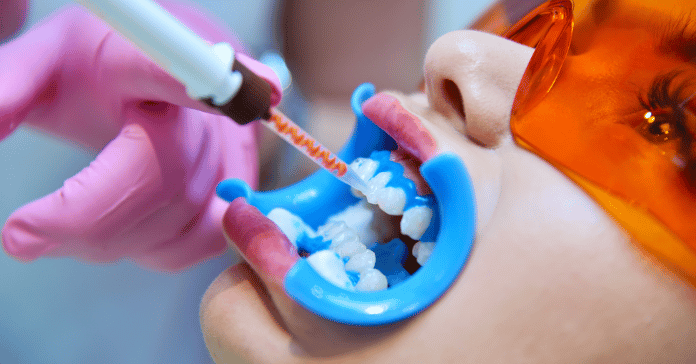
If a whitening agent containing hydrogen peroxide or carbamide peroxide is applied, then it penetrates the tooth enamel through tiny pores in the surface. Enamel is the hard outer layer of the tooth, but it is not solid, so bleaching agents can move into deeper layers of the tooth. Once inside, the whitening agent breaks apart stain molecules that darken the color of the tooth. If these stain particles are broken down, then the tooth reflects more light and looks whiter. This process changes the internal color of natural teeth rather than just removing surface stains.
Why Whitening Agents Cannot Whiten Crowns
If a dental crown or veneer is made, then its color is permanently set during fabrication in a dental lab. Dental crowns are made from porcelain or composite materials that are color-matched, hardened, and sealed before placement. Because these materials are solid and non-porous, whitening agents cannot penetrate below the surface. If a bleaching agent is applied, then it cannot reach inside the crown to change its shade. This is why the crown remains the same color over time, even when surrounding natural teeth become lighter.
What Happens When You Try to Whiten Crowns
If you whiten teeth that include one or more crowns, then the natural teeth around the crown may become lighter while the crown stays darker. This creates a visible mismatch between natural teeth and crowns. Newly whitened teeth can make an older crown look yellow or dull by comparison. This outcome is the most common cosmetic concern with whitening and crowns in dentistry.
Can Whitening Treatments Damage a Dental Crown?
Whitening treatments do not damage dental crowns or other dental work when used correctly. If a bleaching agent such as hydrogen peroxide or carbamide peroxide is applied, then it affects tooth enamel but does not weaken porcelain or composite materials. Crowns, veneers, and fillings remain structurally stable because whitening agents cannot penetrate them. If whitening is done under professional dental guidance, then surrounding teeth and existing dental work remain safe.
How Dentists Handle Requests to Whiten Crowns
Dentists use several professional cosmetic options to improve how a crown looks when patients want a whiter or more even smile:
- Professional Shade Assessment: Dentists examine the color of natural teeth and existing crowns to identify visible mismatches and decide the best cosmetic approach.
- Professional Cleaning and Polishing: Dental cleanings remove surface stains and polish the crown to restore shine without changing its internal color.
- Teeth Whitening Before Crown Replacement: Dentists may whiten natural teeth first so a new crown can be matched to the lighter shade.
- Crown Replacement for Color Matching: Dentists replace an older crown with a new one made to match newly whitened or surrounding teeth.
- Material Selection for Better Esthetics: Dentists choose porcelain or composite materials that better reflect light and blend with natural teeth.
Professional Cleaning and Polishing to Brighten a Crown Look
If surface stains are present, then dental cleanings can remove plaque and discoloration from the crown surface. Polishing smooths the surface of the crown and improves shine without using abrasive toothpaste. This process does not change the internal color of the crown. If cleanings are done regularly, then crowns can look brighter and blend better with surrounding teeth. Regular dental cleanings help maintain a balanced appearance.
Replacing a Crown to Match Whiter Teeth
If teeth whitening causes a noticeable mismatch, then replacing the crown becomes the best treatment. Dentists often recommend crown replacement after whitening so the new crown matches the color of your natural teeth. The dental office takes a new shade after whitening is complete. The dental lab then fabricates a crown to match newly whitened teeth. This approach restores uniform color and improves overall smile aesthetics.
Should You Whiten Your Teeth Before Getting a Dental Crown?
If you plan to whiten your teeth, then whitening should be done before getting a crown. Teeth will change color with whitening, but the crown will remain fixed. Dentists recommend whitening first, so the crown placement matches the final color of your natural teeth. If whitening is delayed until after crown placement, then color mismatch becomes likely. Proper timing produces a more consistent and natural-looking result.
How to Maintain a Whiter Smile with Crowns
Daily habits and regular dental care help keep natural teeth and crowns looking balanced over time:
- Regular Dental Cleanings: Professional cleanings remove surface stains from both natural teeth and crowns before discoloration becomes noticeable.
- Gentle Daily Brushing: Using a non-abrasive toothpaste protects the surface of the crown while keeping natural teeth clean and bright.
- Limit Stain-Causing Foods and Drinks: Reducing coffee, tea, and dark beverages slows stain buildup on teeth and crown surfaces.
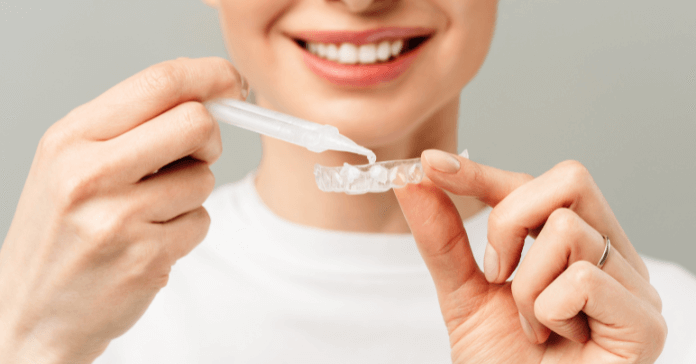
- Home Teeth Whitening: Use home whitening products and trays consistently to keep natural teeth bright so crowns blend better over time.
- Routine Dental Checkups: Regular dental visits allow dentists to monitor shade changes and address color mismatch early.
Common Myths About Whitening Crowns
If a product claims crowns whitened using special bleach or abrasive formulas, then the claim is false. Dental crowns cannot be whitened regardless of the whitening procedure used. Whitening toothpaste may remove surface stains, but it will not change crown color. In-office whitening also does not penetrate the crown. Understanding these facts prevents unnecessary spending and frustration.
When to Talk to a Dentist About Crown Color
If your crown looks darker than the surrounding teeth, then it is time to talk to a dentist. Shade mismatch after whitening or natural tooth color changes requires professional evaluation. Dentists assess the color of your teeth, crown condition, and overall smile balance. If a mismatch is visible, then replacing the crown may be recommended. Professional dental advice provides the safest way to whiten and restore appearance.
How to Prevent Color Mismatch in the Future
Planning ahead helps avoid uneven color between natural teeth and crowns when aiming for a brighter smile:
- Whiten Teeth Before Crown Placement: Whitening natural teeth first allows the dentist to match the crown to your final tooth shade.
- Discuss Future Whitening Goals Early: Talking with your dentist about whitening plans helps guide crown shade selection from the start.
- Record Tooth Shade at Appointments: Keeping a record of your tooth color makes future shade changes easier to manage.
- Avoid Unsupervised Whitening After Crowns: Professional guidance prevents unnecessary mismatch and protects existing dental work.
- Schedule Periodic Shade Evaluations: Regular dental visits help catch early color differences before they become noticeable.
Final Thoughts on Can You Whiten Crowns
Many people feel confused when they try to whiten their teeth and notice that a crown does not change color. This happens because of the materials used in crowns, which react differently during a teeth whitening procedure. Unlike natural teeth, crowns do not absorb whitening agents, so when a crown is placed next to existing teeth, the shade stays the same; a color mismatch can appear. This does not mean the crown is damaged or that the whitening failed. It simply reflects how crowns work compared to natural teeth.
If you want to brighten your smile and keep teeth to match, planning matters. Whitening natural teeth before a crown is placed, keeping up with cleanings, and using home whitening products the right way can help maintain a balance between crowns and existing teeth. Since crowns behave differently from natural teeth, the safest step is to talk with a dentist before trying to whiten dental crowns or adjust their color. Professional guidance helps you choose the right option so your smile looks even, healthy, and natural over time.
