Wearing braces is a big step toward achieving a straight, beautiful smile. Still, it also comes with extra responsibility. If you or your child has started orthodontic treatment, you’ve probably noticed how much harder it is to clean around the brackets and wires. Unfortunately, poor oral hygiene with braces doesn’t just mean your teeth look less clean; it can actually lead to serious issues like gum disease, tooth decay, bad breath, and permanent damage to your enamel. In this blog post, we will dive into how braces impact your oral hygiene, the risks of neglecting brushing and flossing, and practical tips to maintain a clean, healthy smile until the day your braces come off.
What Is Poor Oral Hygiene with Braces?
Poor oral hygiene with braces means not cleaning your teeth properly while undergoing orthodontic treatment. Brackets and wires make it harder to brush and floss effectively, creating more places for food and bacteria to hide. As a result, dental plaque can build up quickly around your braces, especially if you don’t brush your teeth after every meal. This can lead to receding gums from braces, tooth decay, or other dental problems. Unlike people without braces, those wearing them need to follow a stricter oral hygiene routine, including brushing at least twice a day and using proper tools to maintain oral hygiene. It takes extra time and effort, but it’s essential for keeping your teeth and gums healthy throughout your braces treatment and avoiding long-term damage.
Why Poor Oral Hygiene with Braces Is a Serious Concern
When you’re wearing braces, maintaining proper oral hygiene becomes more difficult but also more important. The brackets and wires create tight spaces where food particles and plaque can easily get trapped in your braces. Unlike smooth tooth surfaces, braces make it harder to remove plaque thoroughly unless you’re using the right tools.
Without regular brushing and flossing, these trapped particles can quickly lead to dental problems, making your orthodontic treatment less effective and potentially harming your teeth and gums.
Oral Health Issues Caused by Poor Oral Hygiene with Braces
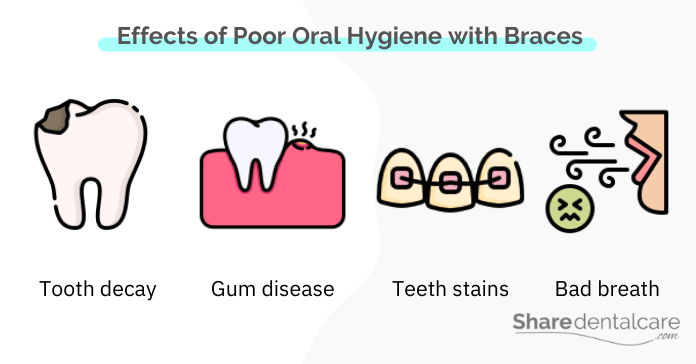
Here are some of the most common issues caused by poor oral hygiene with braces:
- Tooth Decay: Plaque buildup feeds harmful bacteria, which produce acid that weakens enamel and causes cavities, especially around brackets and in hard-to-clean areas.
- White Spots on Teeth: These are early signs of decalcification caused by plaque sitting too long on the enamel, often appearing once you remove your braces.
- Gum Disease: Inflammation from plaque can lead to swollen, bleeding gums with braces (gingivitis), which progresses into periodontitis if left untreated.
- Bad Breath: Food trapped in your braces begins to break down and attract bacteria, causing persistent bad breath.
- Gum Recession from Braces: Chronic plaque buildup and inflammation can cause the gum tissue to recede, exposing the tooth roots and increasing sensitivity and the risk of infection.
- Delayed Treatment: Poor hygiene can cause infections or damage that may require pausing or restarting parts of your braces treatment.
- Stained Braces and Teeth: Without proper oral care, both your braces and teeth can become stained, taking away from your healthy smile even after the braces come off.
How to Maintain Good Oral Hygiene with Braces
Keeping your teeth and braces clean takes more effort than usual, but it’s essential to avoid poor oral hygiene with braces. Brushing and flossing at least twice a day, and ideally after every meal, helps prevent plaque buildup and keeps food from getting stuck around your braces.
If you skip this routine, you’re more likely to experience bad oral hygiene with braces, leading to gum inflammation, cavities, and other problems that could delay your orthodontic treatment.
How to Brush Your Teeth with Braces
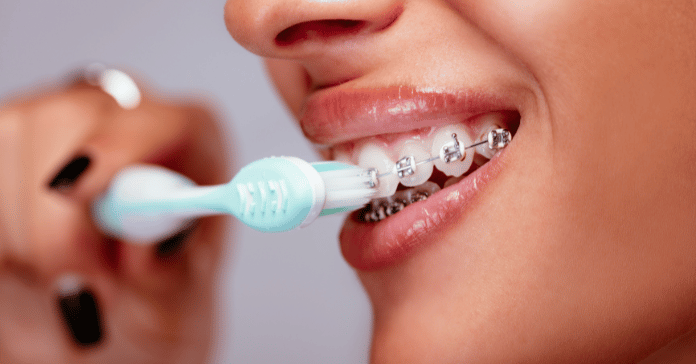
To brush your teeth properly, use a soft-bristled manual toothbrush, an electric toothbrush, or an orthodontic toothbrush designed for braces care. Angle the brush to clean along the gum line and around the brackets and wires. Make small circular motions and take your time to clean all areas thoroughly.
How to Floss with Braces
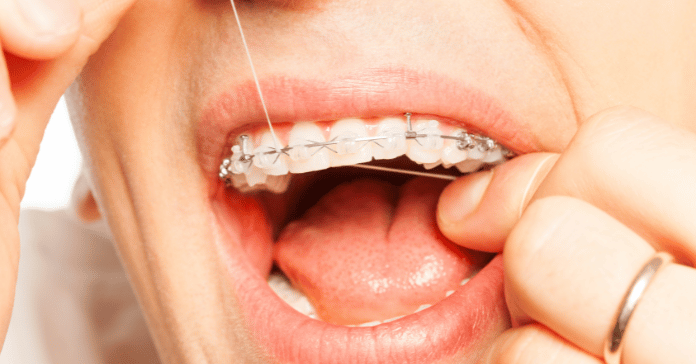
Flossing with braces can be tricky, but it’s just as important as brushing. Use tools like a floss threader or a water flosser to make the process easier. Gently thread the floss under the wire, then move it up and down between your teeth and below the gumline. Repeat this for every tooth to make sure you clean out all the hidden debris.
Don’t Forget to Rinse
Rinsing your mouth is an easy but often overlooked step in maintaining good oral health, especially when you’re wearing braces. After brushing and flossing with braces, rinsing helps remove leftover food debris and bacteria that may still be hiding around the brackets and wires. This simple habit supports your efforts to clean your teeth thoroughly and can reduce your risk of poor oral hygiene with braces, which may lead to gum problems or tooth decay.
To support gum health and maintain a fresh mouth, choose a mouth rinse that suits your needs. Fluoride mouthwashes help strengthen enamel and prevent cavities, while antibacterial rinses reduce plaque and support healthy gums. Some rinses are specifically made for people with braces or Invisalign, offering additional protection where brushing alone might not reach.
Role of the Orthodontist in Maintaining Dental Hygiene
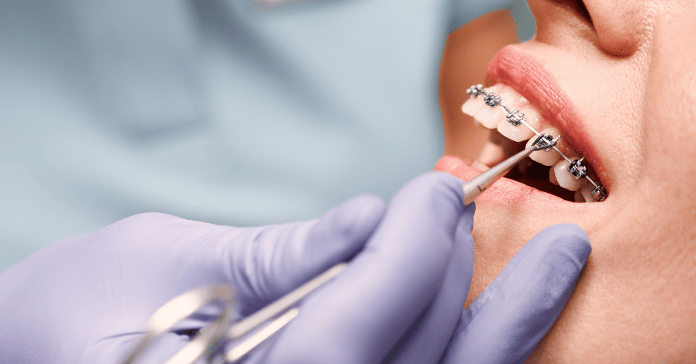
During orthodontic treatment, your orthodontist plays a key role in helping you maintain good oral hygiene. Regular check-ups are not just for adjusting braces, they’re also a chance to monitor the health of your teeth and gums.
If signs of poor oral hygiene with braces appear, such as plaque buildup or gum inflammation, your orthodontist can catch them early and guide you on how to improve your hygiene practices. They may recommend specific tools or techniques for brushing teeth with braces more effectively or suggest seeing your dentist for a professional cleaning.
In some cases, cleanings may be needed more often than usual to avoid complications like tooth decay or gum issues. Staying on schedule with your orthodontic visits, along with following your home care routine, helps ensure your braces look clean and shiny and your teeth and gums stay healthy throughout your treatment.
Oral Hygiene Products for People Wearing Braces
Choosing the right oral hygiene products can make a big difference in preventing poor oral hygiene with braces. These tools are designed to help you clean around brackets, wires, and tight spaces where plaque and food can get stuck. Here are some highly recommended items for anyone who is caring for braces:
- Orthodontic Toothbrush: Designed with V-shaped bristles, it makes it easier to clean around brackets and wires. You can also use a soft-bristled electric toothbrush for better plaque removal and thorough cleaning.
- Floss Threaders: These help guide regular floss under the archwire, making it possible to clean between your teeth even while wearing braces.
- Water Flossers: A great alternative to string floss. They use a stream of water to flush out food particles and bacteria from between teeth and around brackets.
- Interdental Brushes: Small brushes that slide between teeth and wires to remove plaque from tight spaces that toothbrushes often miss.
- Fluoride Mouthwash: Strengthens enamel and helps prevent cavities. Some rinses are specifically made for people with braces to reduce irritation and improve gum health.
- Orthodontic Wax: While not a cleaning tool, it’s useful for preventing irritation from wires or brackets, helping you stay consistent with your hygiene routine.
- Fluoride Gel or Paste: Used once a day, especially at night, to offer extra protection against cavities.
Using these products daily supports good oral habits, protects your teeth and braces thoroughly, and helps ensure that your braces treatment ends with a healthy, confident smile.

Oral Hygiene Tips for a Healthy Smile with Braces
Sticking to the right habits every day can help you avoid poor oral hygiene with braces and finish your treatment with strong, clean teeth. Braces create more places for food and plaque to hide, so maintaining a good routine is key. Below are effective and simple tips to protect your teeth and gums while wearing braces.
- Brush your teeth and braces after every meal to prevent plaque from building up around brackets and wires. Take your time and be gentle when brushing braces.
- Floss once a day using a floss threader or water flosser to clean between teeth where toothbrushes can’t reach.
- Use fluoride toothpaste and mouthwash to strengthen enamel and help protect against tooth decay.
- Rinse with water after snacks if you can’t brush right away. This helps wash away sugars and food particles.
- Stick to regular dental and orthodontic check-ups to monitor your progress and catch any issues early.
- Foods to Avoid During Braces Treatment
- Sticky or chewy foods like gum, caramel, and gummy candy can pull on brackets and cause damage.
- Hard foods such as nuts, ice, popcorn kernels, and hard candies can break wires or loosen brackets.
- Sugary snacks and drinks increase the risk of cavities.
- Biting directly into apples or corn on the cob can strain your braces. Cut these foods into small pieces instead.
By following these oral hygiene tips, you reduce the chance of complications and keep your braces treatment on track, helping you achieve a confident, healthy smile.
Conclusion
Braces are a powerful tool in orthodontics that help align teeth and correct bite problems, but they come with the added responsibility of maintaining excellent oral hygiene. As this blog has shown, poor oral hygiene with braces can lead to serious issues like tooth decay, gum disease, white spots, and bad breath. These risks are higher because braces create hard-to-reach areas where plaque and food debris easily get trapped. Neglecting daily care doesn’t just affect the success of your orthodontic treatment, it can cause long-term damage to your teeth and gums.
To avoid these complications, it’s important to follow a consistent oral hygiene routine that includes brushing after every meal, flossing daily, rinsing with fluoride mouthwash, and using the right tools like orthodontic toothbrushes, interdental brushes, and floss threaders. Equally important is visiting your orthodontist and dentist regularly to ensure that your teeth and braces are thoroughly monitored and maintained. These simple but effective habits help protect your investment in a healthier, straighter smile.
Taking good care of your teeth and braces isn’t just about appearances, it’s a key part of your overall dental health. So, if you or your child get braces, make oral hygiene a priority every day. A little extra time and effort now will pay off with a confident, clean smile once the braces come off.
