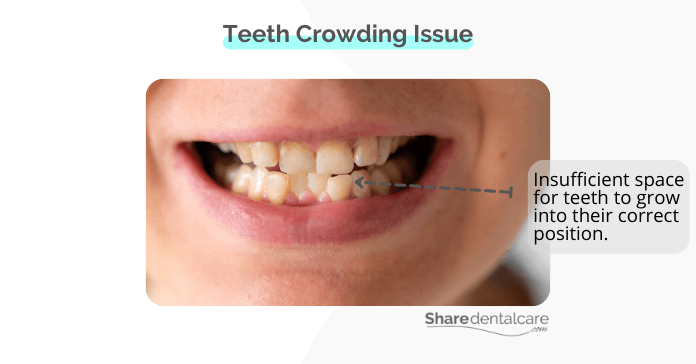
Teeth crowding happens when there is not enough space in the jaw for all teeth to line up properly. Some teeth may overlap, twist, or push forward or backward as they erupt. In many people, this starts in childhood, but teeth crowding can also develop or worsen in adults over time. The main concern most people have is whether crowded teeth are just a cosmetic issue or a sign of a dental problem that needs treatment.
For some people, mild crowding causes no pain and does not affect daily life. For others, crowded teeth can make brushing and flossing harder, increase the risk of cavities or gum disease, and change how the bite works. Teeth may wear unevenly, or certain teeth may feel pressure when chewing. Understanding why teeth become crowded helps explain when it is harmless and when it may lead to future dental issues.
What Is Teeth Crowding?
Teeth crowding refers to a condition where there is not enough room in the dental arch for all teeth to line up correctly. When a lack of space exists, teeth may overlap, twist, or shift forward or backward, leading to misaligned teeth and uneven alignment.
Dental crowding affects how teeth fit together and how forces are spread during chewing, which can influence enamel wear and jaw comfort. Crowding involves both tooth position and jawbone structure, not just appearance. Dentists view teeth crowding as a structural alignment issue that can affect oral health over time.

Severity of Crowded Teeth
- Mild Crowding: Teeth are slightly rotated or close together, but oral hygiene remains manageable, and bite function stays stable.
- Moderate Crowding: Several overlapping teeth reduce cleaning access, increase tooth wear, and raise the risk of cavities and gum disease.
- Severe Crowding: Teeth are significantly overcrowded or erupt outside the arch, often causing pain and discomfort, jaw pain, or bite strain that requires orthodontic treatment.
Is Teeth Crowding Normal?
Teeth crowding is a common dental condition seen in children, teens, and adults, and it often develops as permanent teeth start to erupt. Many people experience some crowding because the jaw size is not large enough to accommodate all adult teeth comfortably.
Crowding may be seen in children when baby teeth fall out too early or too late, affecting how permanent teeth erupt. In adults, dental crowding can worsen as teeth naturally shift forward over time, especially in the lower arch. Dentists consider mild crowding within normal limits if it does not affect oral hygiene or function.
Common Causes of Teeth Crowding
Teeth crowding develops due to a combination of structural, genetic, and developmental factors that affect tooth size, jaw size, and alignment:
- Jaw Size Limitation: A jaw that is not large enough to accommodate all teeth leads to overcrowded teeth and misalignment.
- Large or Extra Teeth: Tooth size that exceeds available space, or extra teeth, can cause teeth to overlap or erupt incorrectly.
- Loss of Baby Teeth: Early or delayed loss of primary teeth disrupts spacing and causes teeth to shift.
- Eruption Patterns: Permanent teeth may erupt at improper angles when room for the permanent set is limited.
- Genetic Influence: Family history plays a significant role in dental arch shape and alignment patterns.

Jaw Size and Tooth Size Mismatch
When jaw size is smaller than the combined tooth size, teeth cannot align properly within the arch. This mismatch causes teeth to crowd, twist, or push forward, especially in the lower arch where space is limited.
The jawbone may not provide enough room for the permanent teeth to erupt straight, leading to overlapping teeth and poor alignment. Over time, this imbalance increases stress on the enamel and the temporomandibular joint. Dentists often evaluate this relationship when planning orthodontic care.
Baby Teeth Loss and Eruption Timing
Baby teeth play a critical role in holding space for permanent teeth to erupt correctly. If primary teeth are lost too early due to decay or poor dental care, nearby teeth drift into the empty space.
When permanent teeth start erupting, they may lack room and erupt out of alignment. Late loss of baby teeth can also block eruption paths and force teeth to erupt in crowded positions. Loss of baby teeth directly affects how teeth become aligned later.
Wisdom Teeth and Teeth Crowding
Wisdom teeth erupt in late adolescence or early adulthood, but current evidence shows they do not cause teeth crowding by pushing other teeth forward. Dentists and orthodontists agree that late crowding is mainly related to natural tooth movement, jaw growth patterns, and changes in the dental arch over time, not pressure from wisdom teeth.
Removing wisdom teeth does not prevent crowding in the front teeth, and routine extraction is not recommended for this reason alone. Wisdom teeth are removed only when they cause pain, infection, decay, or damage to nearby teeth, not as a preventive step for alignment.
Signs and Symptoms of Teeth Crowding
Crowded teeth can cause visible and functional problems that affect dental health and comfort:
- Overlapping or Twisted Teeth: Teeth overlap, rotate, or erupt at unusual angles within the dental arch.
- Difficult to Brush and Floss: Crowding can make cleaning harder, leading to plaque buildup and poor dental hygiene.
- Risk of Cavities and Gum Issues: Trapped food and bacteria increase the risk of cavities and gum disease.
- Jaw or Bite Discomfort: Misaligned teeth can strain the jaw and cause temporomandibular joint discomfort.
- Bad Breath: Poor cleaning access can lead to persistent bad breath and oral health concerns.
How Dentists Evaluate Teeth Crowding
Dentists evaluate teeth crowding through a detailed clinical exam that focuses on alignment, bite function, and spacing. A visual inspection identifies overlapping teeth, twisted teeth, and arch shape. Bite analysis checks how the upper and lower teeth fit together during chewing.
Dental X-rays or digital scans help assess jawbone structure, tooth roots, and eruption patterns. This information allows the dentist or orthodontist to determine severity and treatment options.
When Does Teeth Crowding Need Treatment?
Dentists recommend treatment based on functional risk rather than appearance alone:
- Oral Hygiene Difficulty: If crowding makes cleaning ineffective, orthodontic care is advised.
- Gum or Tooth Damage: Crowded teeth can cause enamel wear, tooth decay, and gum inflammation.
- Pain or Jaw Stress: Crowding that causes pain, jaw strain, or bite imbalance requires intervention.
- Progressive Shifting: If crowding worsens over time, early treatment prevents severe cases.
- Patient Goals: Concerns about oral health and confidence influence the treatment decision.
Teeth Crowding Treatment Options
Dentists and orthodontists use several approaches to treat dental crowding based on severity and age:
- Traditional Braces: Metal braces apply controlled pressure to move teeth into alignment.
- Clear Aligners: Invisalign and similar systems shift teeth gradually using removable trays.
- Expanders: An expander widens the dental arch in children to create room for teeth to erupt.
- Tooth Removal: One or more teeth may be removed in severe cases to relieve overcrowding.
- Personalized Treatment: Each treatment plan considers jaw size, alignment goals, and duration of treatment.
Dental Braces
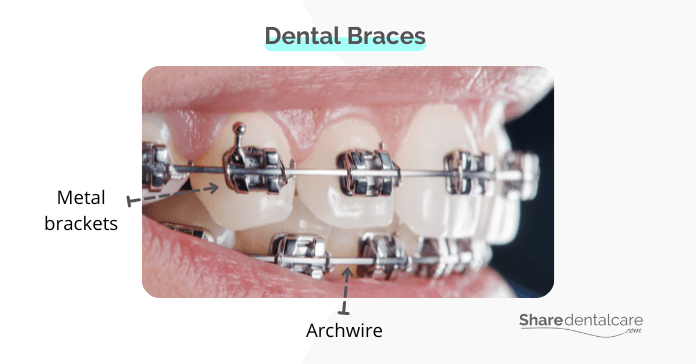
Traditional braces use brackets and wires to move crowded teeth into proper alignment over time. This method works well for moderate to severe crowding and complex bite issues.
Metal braces provide precise control over tooth movement. Braces are often recommended when clear aligners cannot address rotation or spacing effectively. An orthodontist monitors progress and adjusts the brace to guide teeth into a straighter smile.

Clear Aligners
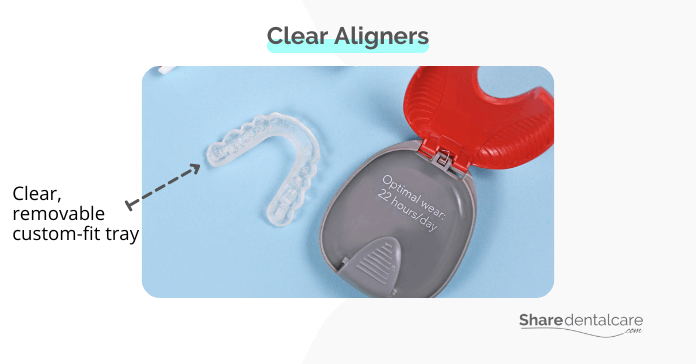
Clear aligners, such as Invisalign, treat mild to moderate crowding by applying gradual pressure through custom trays. Aligners are removable, making oral hygiene easier during orthodontic treatment. They work best when crowding involves limited rotation and spacing issues. Severe crowding may require braces instead. Aligners must be worn consistently to achieve proper alignment and expected results.

Tooth Removal in Severe Teeth Crowding
Tooth removal may be recommended when severe crowding prevents proper alignment within the dental arch. Removing one or more teeth creates space for the remaining teeth to shift into healthier positions.
This approach is common when jaw size cannot support full alignment. Dentists avoid extractions unless other options fail, as preserving natural teeth remains the priority. Extraction decisions are part of a structured treatment plan.
What Happens If Teeth Crowding Is Left Untreated?
If teeth crowding is left untreated, oral health risks increase over time. Crowded teeth can cause cavities and gum disease due to trapped plaque and bacteria. Misaligned teeth may wear unevenly, leading to enamel damage and tooth sensitivity. Bite imbalance can strain the jaw and cause temporomandibular joint pain. Mild crowding may remain stable, but severe cases often worsen without orthodontic care.
Life After Crowding Treatment
After treatment, teeth naturally attempt to shift back toward their original positions. Wearing a retainer keeps teeth aligned and protects treatment results. Retainers support long-term alignment and prevent relapse. Regular dental visits help monitor stability and oral health. Maintaining proper dental hygiene preserves both the function and appearance of your smile.
Can Teeth Crowding Be Prevented?
While genetics strongly influence teeth alignment, certain steps can reduce the risk of crowding getting worse, especially during growth and early development:
- Early Dental Visits: Regular dental checkups allow a dentist to identify spacing problems while the jawbone is still developing.
- Monitoring Tooth Eruption: Tracking how baby teeth fall out and how permanent teeth erupt helps ensure there is enough room for teeth to erupt in the correct position.
- Managing Loss of Baby Teeth: If primary teeth are lost too early, space maintainers may be used to preserve room for the permanent teeth.
- Supporting Jaw Development: In growing children, an orthodontist may recommend an expander to widen the dental arch when jaw size is too small.
- Maintaining Good Oral Hygiene: Proper brushing and flossing prevent tooth decay that can lead to early tooth loss and shifting.
- Timely Orthodontic Evaluation: An orthodontic assessment during childhood or early teens allows for a personalized treatment plan if crowding begins to develop.
- Regular Dental Follow-Up: Ongoing dental visits help detect subtle changes in alignment as teeth continue to shift.
Final Thoughts on Teeth Crowding
Teeth crowding is a common dental condition that can affect both appearance and oral health. As explained throughout this post, the causes of crowded teeth often include jaw size limits, tooth size, early or late loss of baby teeth, and natural changes as permanent teeth erupt.
Mild crowding may stay stable, but moderate to severe crowding can make teeth harder to clean, increase the risk of cavities and gum disease, and place stress on the bite and jaw. Understanding why crowding develops helps explain when treatment becomes necessary rather than optional.
When crowding creates problems, dentists and orthodontists offer several options for crowded teeth, including braces, clear aligners, expanders, or the removal of one or more teeth in severe cases. The goal is always to treat crowded teeth in a way that protects long-term dental health and function, not just appearance.
Early dental visits, good oral hygiene, and timely orthodontic care reduce the risk of crowding getting worse. If tooth alignment begins to change or cleaning becomes difficult, a dental evaluation provides clear guidance on whether treatment is needed and which option is most appropriate.