Dental crowding is one of the most common orthodontic concerns, affecting both your smile and oral health. While traditional braces have long been the go-to solution, today’s patients often seek a more discreet and comfortable option. That’s where Invisalign for crowded teeth comes in. In this blog post, we will explore how dental crowding happens, how Invisalign aligners work to fix crowded teeth, who is a good candidate for Invisalign, and what to expect throughout the treatment process.
What Is Dental Crowding?
Dental crowding happens when there isn’t enough space in your jaw to fit all of your teeth properly. As a result, teeth may overlap, twist, or push against each other, creating a crowded or crooked appearance. This condition can affect both the upper and lower teeth and may begin during childhood, when baby teeth fall out and permanent teeth emerge. In some cases, dental crowding is mild and only slightly impacts the smile, while in moderate to severe cases, it can lead to more noticeable misalignment.
Causes and Risks of Crowded Teeth
Dental crowding can develop for several reasons, many of which begin during childhood. It often results from a mismatch between the size of the teeth and the space available in the jaw. When teeth don’t have enough room to grow in properly, they may come in crooked, overlap, or twist. This leads to misaligned teeth that are difficult to clean and may affect your smile. Crowded teeth are more than just a cosmetic concern; they can increase the risk of tooth decay, gum disease, and uneven tooth wear because they make cleaning your teeth more difficult. Over time, untreated crowded teeth can lead to bite problems and jaw discomfort. Here are the most common causes of crowded teeth:
- Genetics: Some people naturally inherit a small jaw or large teeth, which leads to teeth crowding as the mouth struggles to accommodate all of their teeth.
- Early Loss of Baby Teeth: Losing baby teeth too soon can cause nearby teeth to shift into the space, leaving less room for permanent teeth to grow in.
- Delayed Loss of Baby Teeth: If baby teeth don’t fall out on time, they can block permanent teeth from erupting correctly.
- Extra Teeth or Large Teeth: Having more teeth than normal (supernumerary teeth) or unusually large teeth may result in crooked teeth.
- Jaw Size or Shape: A narrow or underdeveloped jaw often leads to moderate to severe crowding, especially in the front teeth.
- Poor Oral Habits: Thumb sucking, tongue thrusting, or prolonged pacifier use can put pressure on the teeth and jaw, contributing to dental crowding.
Using solutions like Invisalign for crowded teeth can help gradually straighten teeth by shifting them into alignment.

How Invisalign Works to Fix Crowded Teeth?
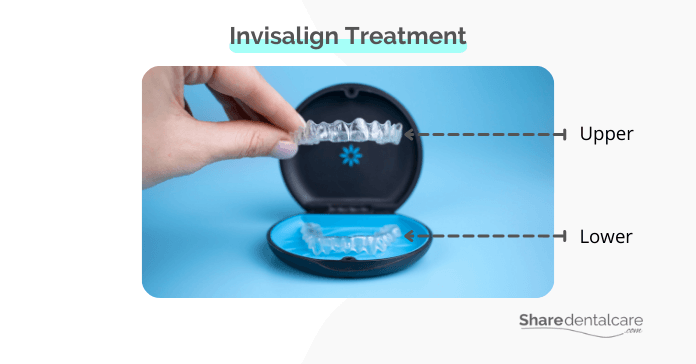
Invisalign for crowded teeth is a modern treatment option that uses a series of clear aligners to gradually move teeth into proper alignment. These aligners are custom-made to create a step-by-step plan that gently shifts your crooked or overlapping teeth into the desired position. Unlike traditional braces, Invisalign clear aligners are nearly invisible and completely removable, making them easier to wear throughout daily life. Each set of aligners is worn for about one to two weeks before switching to the next in the series, allowing controlled, gentle movement of the teeth. This process is effective for mild to moderate cases of dental crowding, and it helps patients achieve straighter teeth without the discomfort or appearance of metal brackets.

Benefits of Invisalign for Crowded Teeth
Invisalign for crowded teeth is more than just a cosmetic solution; it’s a smart, modern approach to orthodontic care. Whether you’re dealing with mild crowding or more noticeable alignment issues, Invisalign offers several benefits, including:
- Nearly Invisible Appearance: Invisalign clear aligners are transparent, making them a discreet way to straighten your teeth without metal wires or brackets.
- Removable Aligners: You can take them out when eating, drinking, brushing, or flossing. This makes it easier to keep your teeth clean and healthy during treatment.
- Better Comfort: The smooth plastic trays are gentle on your cheeks and lips, with no sharp edges or wires to irritate.
- Improved Oral Hygiene: Because you can remove the aligners, brushing and flossing are much easier compared to traditional braces, helping to prevent gum disease and tooth decay.
- Custom Treatment Plan: Invisalign uses a digital scan to create a step-by-step plan, gently moving your teeth into the right position over time.
- Effective for Mild to Moderate Crowding: Invisalign works well for many cases of crowded teeth, especially mild to moderate dental crowding, helping align your smile without the need for braces.
- No Food Restrictions: Since the aligners are removable, you don’t have to give up your favorite foods; just take them out at mealtimes.
- Predictable Results: You follow a clear treatment schedule, changing aligners every 1–2 weeks as your teeth move gradually into better alignment.
- Fewer Dental Emergencies: No wires or brackets means fewer unexpected visits for repairs or adjustments.
- Modern Alternative To Braces: For many people, Invisalign is an excellent treatment option that delivers results without braces, offering a cleaner, more comfortable way to straighten your teeth.
Is Invisalign Effective for All Types of Crowding?
Invisalign treatment is a great option for many people, but its effectiveness depends on how severe the crowding is. In mild to moderate cases of crowded teeth, Invisalign can gently move the teeth into their proper positions using a step-by-step system of clear aligners. These aligners apply controlled pressure to guide teeth into better alignment over time. For moderate teeth crowding, Invisalign often works just as well as traditional braces, especially when treatment is closely monitored by an orthodontist.
However, in severe crowding cases where teeth are extremely crowded together or the jaw is too small to fit all the teeth, other orthodontic treatment methods may be needed first. This could include extractions or using braces to create space before switching to Invisalign. The extent of your crowding and how well your teeth respond will help your dentist decide whether Invisalign is right for your smile.
Invisalign vs. Traditional Braces for Crowded Teeth
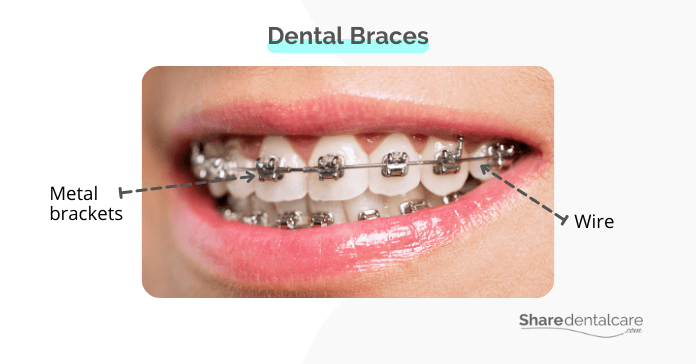
When it comes to treating dental crowding, both Invisalign and traditional braces are effective, but they offer very different experiences. Invisalign for crowded teeth uses clear, removable aligners that are nearly invisible, while traditional braces use metal brackets and wires that are fixed to the teeth. Most people find Invisalign more comfortable, as the smooth plastic trays avoid the irritation that can come from metal hardware. Invisalign also offers more freedom; you can take the aligners out to eat, brush, and floss, which helps maintain better oral hygiene than with braces.
In terms of results, both options can straighten their teeth and correct crowded teeth, but the choice depends on the severity of the crowding. Aligners can treat teeth crowding in many mild to moderate cases. For more complex or severe cases, braces for teeth crowding might be a better option because they offer more control over tooth movement.
The duration of Invisalign treatment and braces treatment varies, but both require commitment to regular wear and check-ups. Your orthodontist will help create a custom treatment plan based on your smile goals and the extent of your crowding.

Who Is a Good Candidate for Invisalign for Crowded Teeth?
Invisalign for crowded teeth is a great option for teens and adults who have mild to moderate crowding and want a more discreet way to improve their smile. Ideal candidates should have healthy teeth and gums, be free from active decay or gum disease, and be committed to wearing the aligners for 20 to 22 hours a day. Since treatment involves a series of trays that must be worn consistently, patients need to follow instructions closely to ensure that the treatment works as planned.
Step-by-Step Invisalign Treatment for Crowding
The process of using Invisalign for crowded teeth starts with a dental consultation, where your dentist checks your bite and confirms if you’re a good candidate. Then, a digital scan is taken to create a 3D image of your teeth, which helps design a personalized treatment plan.
You’ll receive a series of clear aligners, each slightly different, that gently shift your teeth over time. You wear each set for about one to two weeks before switching to the next. During the first week of treatment, you may feel light; this means the aligners are working. You’ll also have regular checkups to make sure your teeth are moving as planned. As the weeks go by, the aligners help straighten crowded teeth, gradually guiding them into alignment.
Once you complete the full set of aligners, a retainer may be recommended to help your teeth remain in their new position. Invisalign offers an effective treatment for teeth crowding, helping you achieve a healthier, straighter smile with less hassle than traditional braces.
Limitations and Considerations
While Invisalign for crowded teeth is a great solution for many people, it’s not perfect for everyone. There are a few important points to consider before starting treatment:
- Higher Cost Compared to Braces: Invisalign can be more expensive than traditional braces, depending on the complexity of your case and your location. It may not fit every budget.
- Requires Patient Discipline: Since aligners are removable, treatment success depends on wearing them for 20–22 hours a day. Skipping or delaying wear can reduce results or extend treatment time.
- Not Ideal for Complex Cases: Invisalign works best for mild to moderate crowding. In severe crowding or complex situations, traditional braces may offer better control.
- Longer Adjustment Period for Some Patients: It may take time to get used to speaking with aligners, especially in the beginning.
- Frequent Aligner Changes: You need to switch trays regularly and keep track of them. Losing or damaging a tray can delay progress.
- Not Suitable for All Ages: Younger children who may forget or remove aligners too often may not be ideal candidates.
Even with these points in mind, many people find that Invisalign fixes crowded teeth effectively and comfortably. It remains a popular alternative to braces for those who qualify and can stick to the routine.
Caring for Your Teeth Throughout the Invisalign Treatment
Proper hygiene and consistent habits can help your treatment for crowded teeth stay on track and keep your smile healthy:
- Brush and Floss After Every Meal: Food can get trapped between your teeth and aligners. Always brush and floss before putting them back in to prevent plaque buildup and gum issues.
- Clean Your Aligners Daily: Gently brush your aligners with a soft toothbrush and lukewarm water. Avoid using hot water, as it can warp the plastic.
- Avoid Eating or Drinking With Aligners On: Remove your trays before eating or drinking anything other than water. This prevents staining and keeps your aligners clean.
- Rinse Aligners Every Time You Remove Them: Dry saliva and bacteria can build up quickly. Rinse them with water before storing or reinserting.
- Keep Aligners in Their Case: When not wearing them, always store your aligners in their case to avoid loss or contamination.
- Stick to the Schedule: Change to the next set of aligners as advised by your dentist. Skipping or delaying changes may affect how your teeth move into alignment.
- Visit Your Dentist for Regular Checkups: These visits ensure that your treatment plan is finalized and progressing as expected.
- Drink Plenty of Water: Staying hydrated helps rinse away food particles and reduces dry mouth while wearing aligners.
- Watch for Discomfort or Irritation: A little pressure is normal, especially during the first few days of a new tray. However, if discomfort becomes severe, contact your dentist.
- Maintain Overall Oral Health: Even though you’re focusing on crowding treatment, continue regular care to avoid problems like cavities or gum inflammation that can delay progress.
Following these tips will help ensure your Invisalign treatment for crowded teeth is smooth, effective, and leads to a healthy, confident smile.
Conclusion
Invisalign for crowded teeth is a clear, modern solution to one of the most common dental issues people face today. Whether you’re dealing with mild or moderate dental crowding, Invisalign offers a comfortable and convenient way to straighten your teeth without the hassle of metal braces. Throughout this blog post, we’ve explored how crowding happens, what causes it, the potential risks if left untreated, and how Invisalign aligners can gently guide your teeth into alignment with a personalized plan. We’ve also discussed the benefits, step-by-step treatment process, ideal candidates, and the importance of caring for your teeth during treatment.
While Invisalign is an excellent option for many patients, it’s important to consider a few factors like commitment, cost, and the complexity of your case. Teeth crowding happens in various ways, and each patient’s journey is unique. That’s why consulting with your dentist or orthodontist is key; they can assess your smile, explain your eligibility for Invisalign, and help you decide whether crowding with Invisalign is the right choice for your situation.
If you’re ready to improve your smile and oral health, Invisalign may be the solution you’ve been looking for. Talk to your dental provider to see how Invisalign treatment can help you achieve straighter teeth, improve your bite, and feel more confident. A healthier, more aligned smile might be just a few aligners away.