Have you ever noticed your lower front teeth overlapping or appearing crooked and wondered why they don’t seem to line up properly? You’re not alone. Lower teeth crowding is a common dental concern that affects children and adults alike. It often develops gradually, making it easy to ignore, until it starts to cause discomfort, affect your smile, or lead to oral health issues like tooth decay and gum disease. The good news? There are several orthodontic options available to fix crowded teeth, ranging from traditional braces to clear aligners, each tailored to the severity of the crowding and your unique dental needs. In this blog post, we will explore the causes of crowded teeth, the various types of dental crowding, and how orthodontists determine the most effective lower teeth crowding treatment plan based on each case.
What Is Teeth Crowding?
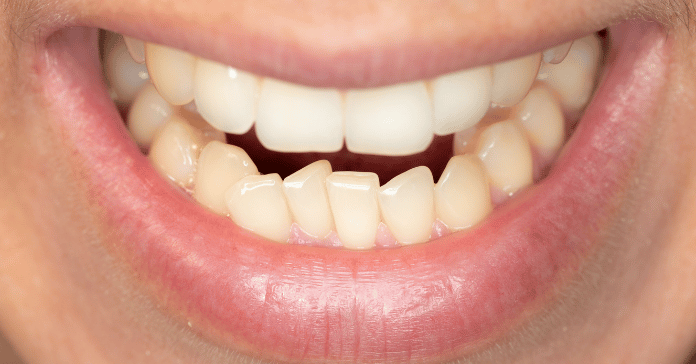
Lower teeth crowding occurs when there isn’t enough space in the lower jaw for the teeth to align properly. As a result, the bottom front teeth may twist, overlap, or shift out of position. This type of crowding is common and can range from mild to severe, depending on how misaligned the teeth are. In severe cases, the teeth may even push behind or in front of neighboring teeth, making it harder to clean them properly. Crowded teeth not only affect the appearance of your smile but can also lead to dental issues such as plaque buildup, tooth decay, and gum problems. Without proper treatment, teeth crowding can worsen over time and even cause pain or discomfort.
What Causes Crowded Teeth?
Crowded teeth can develop for several reasons. Understanding these causes helps dentists determine the best treatment plan to gently align the teeth and jaw. Here are the most common factors that contribute to dental crowding:
- Jaw Size Is Too Small: When the jaw doesn’t have enough space to hold all the teeth properly, the teeth may twist, overlap, or shift out of position, especially in the lower front teeth.
- Genetics And Family History: If one or both parents had misaligned teeth or a mismatch in jaw size and tooth size, their children may also inherit the same traits, increasing the likelihood of developing lower teeth crowding or other alignment problems.
- Early Loss Of Baby Teeth: Losing baby teeth too soon can cause permanent teeth to drift into the wrong position. This reduces space for other teeth to erupt correctly and may lead to crowding of teeth.
- Habits During Childhood: Prolonged thumb sucking, pacifier use, or tongue thrusting can put pressure on developing teeth and alter the position of teeth in the upper and lower jaws.
- Mismatch Between Tooth Size And Jaw Size: If the size of the teeth is larger than the available jaw space, they won’t fit properly, which can result in mild to severe crowding.
- Delayed Or Improper Eruption Of Permanent Teeth: When permanent teeth erupt out of sequence or in the wrong location, they can block other teeth or push them out of alignment.
- Extra Or Impacted Teeth: Having extra teeth or impacted teeth (teeth stuck below the gum) can prevent proper eruption and lead to overcrowded teeth.
Each of these factors can affect how your teeth sit, and in severe cases of crowding, they may even cause pain or make cleaning more difficult.
Types of Teeth Crowding
Teeth crowding can range from mild to severe, depending on how much space is available and how far the teeth are out of position. Understanding the severity helps determine the best lower teeth crowding treatment. Here are the main types:
In mild crowding, one or two teeth may slightly overlap or rotate, usually in the front teeth area. This type often affects appearance but may not cause serious dental problems. In many cases, mild crowding causes mostly aesthetic concerns and doesn’t affect dental function. Fixing teeth crowding at this stage can often be optional and may not require orthodontic treatment unless the patient desires improvement in appearance. Mild crowding typically involves less than 4 mm of overlap between teeth.
In moderate crowding, several teeth are misaligned, and there’s not enough room for them to fit in the dental arch. Moderate teeth crowding making it harder to clean between them and possibly increasing the risk of gum issues. This level typically requires treatment to create space and move the teeth into the desired position. Moderate crowding usually ranges from 4–8 mm of overlap.
In Severe Crowding, the teeth are tightly packed, overlap significantly, or grow in the wrong direction sometimes behind or in front of others. This type often causes noticeable crooked teeth, bite problems (malocclusion), and may lead to pain or damage. In severe cases, lower teeth crowding treatment may require a combination of tooth extraction, comprehensive orthodontics, and even orthognathic surgery to correct jaw alignment and create enough space for proper tooth positioning. Severe crowding involves more than 8 mm of overlap between teeth.
Why Lower Teeth Crowding Treatment Is Important?
When lower teeth crowding is left untreated, it can lead to more than just an uneven smile. Crowded teeth make it harder to clean between and around them, increasing the risk of tooth decay and gum disease. Poor alignment can also cause uneven pressure when biting, leading to excessive wear on the teeth, especially in the back of the teeth or upper front teeth.
Over time, this imbalance may contribute to jaw strain, discomfort, or even TMJ (jaw joint) problems. In more advanced cases, crowded teeth may shift further, worsening the misalignment and making it more difficult to treat. That’s why early lower teeth crowding treatment is important; it helps straighten crowded teeth, prevent future dental issues, and create enough space for teeth to fit properly and function in harmony.
Lower Teeth Crowding Treatment Options
There are several effective ways to treat crowded teeth, depending on the severity of the crowding and the patient’s age. For mild to moderate cases, clear aligners or braces for teeth crowding can gently move the teeth into place over time. In children, interceptive treatment can help guide proper tooth eruption, while adults may need a more comprehensive approach using brackets, wires, or aligners.
These lower teeth crowding treatment options aim to realign the teeth, improve appearance, and reduce the risk of future problems such as decay or gum issues that
Traditional Braces
Traditional braces are one of the most effective options for lower teeth crowding treatment. They use small brackets that are attached to each tooth and connected with a wire. Over time, gentle pressure is applied to slowly move upper and lower teeth into their correct position. These braces can be made from metal or ceramic, and are adjusted regularly by an orthodontist to guide the teeth into place.
Compared to clear aligners, traditional braces are often better suited for complex cases that involve significant movement or rotation of teeth. They provide more control and consistent force, which can be essential when dealing with crowded or misaligned arches.
However, traditional braces do come with some drawbacks. They are more noticeable than other options and can make some patients feel self-conscious. Oral hygiene around braces can be more difficult, increasing the risk of plaque buildup and gum issues if not cleaned properly. Some people also experience irritation to the cheeks and lips, especially in the early stages of treatment. In addition, certain foods must be avoided to prevent damage to the brackets. While braces are highly effective for mild to severe crowding, they may not be the most comfortable or convenient option for every patient.

Clear Aligners
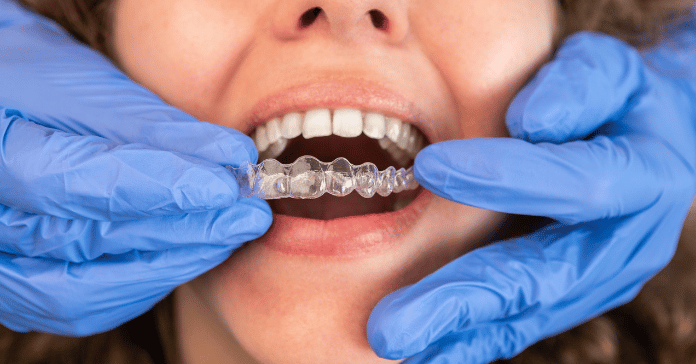
Clear aligners are a modern and discreet option for lower teeth crowding treatment. These custom-made plastic trays are designed to fit snugly over your teeth and gradually move teeth into the correct position. Each set is worn for about two weeks before switching to the next one, slowly guiding the teeth into place over time. Aligners work best for mild to moderate crowding and are especially helpful when crowding involves the upper teeth, lower teeth, or both. Since they are removable, they allow patients to eat, brush, and floss with ease, helping maintain good oral hygiene throughout treatment.
Compared to braces, clear aligners are almost invisible, which makes them a popular choice for teens and adults looking for a subtle way to straighten their teeth. They are more comfortable, with no wires or brackets to irritate the cheeks or lips.
However, they require discipline, as they must be worn 20–22 hours a day to be effective. They may not be suitable for more complex cases that need significant tooth movement or for patients who forget to wear them consistently. While clear aligners offer a convenient and flexible option to treat crowded teeth without the need for fixed appliances, they may not replace the effectiveness of braces in severe cases.
Interceptive Orthodontic Treatment in Children
Interceptive orthodontic treatment is an early intervention approach that helps guide proper tooth and jaw development before more serious problems occur. It focuses on detecting and treating issues at a young age, typically between the ages of 6 and 10, when the jaws are still growing, and a mix of baby and permanent teeth is present. The goal is to catch and correct problems early, such as crowding, narrow arches, or teeth growing behind baby teeth, which can later lead to more complex orthodontic needs if left unaddressed.
During this phase, orthodontists may use a variety of tools depending on the child’s needs. These may include spacers to maintain room for incoming teeth, palatal expanders to widen the upper jaw, or partial braces to gently shift selected teeth into better alignment.
The treatment may also focus on stopping habits like thumb sucking or tongue thrusting, which can negatively affect how the teeth and jaws develop. By correcting these early problems, interceptive treatment can help create space, guide front and back teeth into the correct position, and reduce the likelihood of needing more intensive treatment later on.
Fix Crowded Teeth Without Extraction: Is It Possible?
In some lower teeth crowding treatment cases, orthodontists may recommend removing one or more teeth to create space, especially when the jaw is too small to fit all the teeth properly. This is more common in severe crowding, where the teeth are tightly packed, overlapping, or rotated.
One alternative is a technique called interproximal reduction (IPR), which involves polishing small amounts of enamel between teeth to gain extra space. In growing children, early interventions like expanders can help guide jaw development and prevent extractions later on.
How Do Orthodontists Determine the Best Lower Teeth Crowding Treatment?
Before starting any lower teeth crowding treatment, orthodontists perform a thorough evaluation to understand the specific needs of each patient. The process begins with a full dental exam and X-rays to view the position of the teeth and roots, including any that haven’t erupted yet. They also take photos and dental impressions or digital scans to study the alignment of the teeth and jaws.
A bite analysis helps assess how the upper and lower teeth come together, which is important when teeth are crowded or misaligned. Another key step is measuring the available space in the jaw compared to the size of the teeth, a process called space evaluation. This helps determine whether there’s room to move the teeth or if space needs to be created.
Based on all these findings, the orthodontist creates a personalized plan that outlines the best options available to straighten the teeth, improve function, and prevent future problems crowded teeth can cause, such as tooth decay or gum issues.
Tips to Prevent or Minimize Teeth Crowding
Preventing teeth crowding starts early, especially during childhood when the jaws and teeth are still developing. Parents play a key role in spotting early signs and supporting healthy dental habits. Here are some helpful tips to minimize the risk of crowding and support proper tooth alignment as your child grows.
- Encourage Regular Dental Checkups: Early visits to the dentist help monitor how the teeth have grown and spot signs of crowding before they become serious. Dentists can recommend early lower teeth crowding treatment if needed.
- Monitor Baby Tooth Loss: Baby teeth usually fall out in a certain order and at specific ages. Losing them too early or too late can affect how permanent teeth come in and may cause future crowding.
- Use Space Maintainers When Needed: If a child loses a baby tooth too early, a space maintainer can hold the gap open to allow the permanent tooth to erupt properly and reduce the risk of teeth shifting out of place.
- Prevent and Treat Cavities in Baby Teeth: Untreated cavities in baby teeth can lead to early tooth loss. If a child needs a pulpotomy or pulpectomy, completing the treatment can preserve the baby tooth and maintain the space for permanent teeth to erupt correctly.
- Address Habits That Affect Jaw Growth: Habits like thumb sucking, pacifier overuse, or tongue thrusting can change how the jaw develops and increase the chances of crowding. Early intervention helps prevent these issues.
- Choose the Right Timing for Orthodontic Evaluation: An orthodontic checkup by age 7 helps detect problems like crowding early. This allows for planning ways to fix alignment issues while the jaw is still growing.
Taking preventive steps early in life supports better alignment as the child grows and may reduce the need for more complex lower teeth crowding treatment later on.
Conclusion
Lower teeth crowding is a common dental concern that can affect both the appearance and health of your smile. It usually develops over time and can lead to challenges like difficulty cleaning between teeth, uneven tooth wear, and even gum problems if not addressed early. Understanding the causes, such as genetics, early tooth loss, or jaw size, and recognizing the types of crowding helps patients and parents take informed steps toward effective treatment. Whether the case is mild, moderate, or severe, lower teeth crowding treatment should be based on a thorough diagnosis and an individualized plan.
Fortunately, options are available for every stage of crowding. From early interceptive treatment in children to clear aligners and traditional braces for teens and adults, orthodontists can choose the most suitable solution to improve teeth alignment, function, and long-term oral health. In some cases, space can be created without extraction, using techniques like interproximal reduction or jaw expanders.
Preventive measures, such as monitoring baby tooth loss, using space maintainers, and encouraging regular dental visits, can also help minimize the risk of crowding before it becomes a more serious concern.
If you or your child shows signs of crowding, whether it’s overlapping teeth, difficulty flossing, or visible misalignment, don’t wait. Early evaluation can help catch problems before they worsen. A personalized lower teeth crowding treatment plan not only improves your smile but also protects your overall oral health, preventing complications that crowded teeth can also cause. Talk to your dentist or orthodontist today to take the first step toward a healthier, more confident smile.
