Tooth nerve pain can be one of the most intense and uncomfortable dental problems you may experience. This sharp or throbbing pain happens when the tooth’s nerve becomes irritated, inflamed, or exposed, often as a result of tooth decay, infection, or dental trauma. Because the nerve inside the tooth pulp is highly sensitive, even mild irritation can lead to severe discomfort.
Many people try home remedies or over-the-counter pain relief when they first feel a toothache, but lasting solutions usually require professional dental care. A damaged or infected tooth nerve not only causes pain but may also put your oral health at risk if left untreated. Understanding the causes of tooth nerve pain, available treatments, and prevention strategies can help you manage the condition effectively and protect your teeth and gums.
In this blog post, we’ll explain what tooth nerve pain is, common causes, how to ease tooth pain at home, professional treatment options, and steps you can take to prevent future dental problems.
What Is Tooth Nerve Pain?
Tooth nerve pain occurs when the inner pulp of a tooth becomes irritated, inflamed, or exposed. The pulp houses sensitive nerves, and when it is damaged by tooth decay, trauma, or infection, the pain can range from mild sensitivity to severe, sharp pain. This type of pain may be focused on one individual tooth or spread to surrounding areas, often worsening with hot, cold, or pressure.
Causes of Tooth Nerve Pain
Several dental conditions can cause nerve pain in the teeth. Understanding the triggers can help with early diagnosis and treatment:
- Tooth Decay (Cavities): Deep cavities erode enamel and dentin, exposing the pulp and causing nerve pain.
- Infection in the Tooth: Bacterial infection inside the pulp can cause swelling, leading to sharp or throbbing pain.
- Recent Tooth Filling: Sometimes, recent dental treatment can cause temporary dentinal sensitivity or nerve irritation.
- Dental Trauma: A cracked or broken tooth exposes inner layers, leading to pain and inflammation.
- Gum Problems: Advanced gum disease can expose tooth roots, irritating the nerves.
- Exposed Dentin: Worn enamel, gum recession, or grinding habits can expose dentin, making teeth sensitive.

Symptoms of Tooth Nerve Pain
Nerve pain in teeth can vary depending on the cause and severity. Common symptoms include:
- Sharp or Throbbing Pain: Pain may be constant or come and go in waves.
- Sensitivity to Hot or Cold: Teeth may ache when exposed to temperature changes.
- Pain When Biting or Chewing: Pressure on the tooth can trigger sharp discomfort.
- Swelling or Inflammation: Gums or the face near the affected tooth may swell.
- Lingering Discomfort: Pain continues even after removing the trigger, such as hot or cold drinks.
- Radiating Pain: Discomfort may spread to the jaw, ear, or surrounding teeth.
When to See a Dentist for Tooth Pain?
If you are experiencing tooth nerve pain that is severe, persistent, or accompanied by swelling, fever, or difficulty opening your mouth, it may be a sign of a dental emergency. An emergency dental visit is necessary to stop tooth pain before it worsens or spreads.
Dentists use several diagnostic methods to identify the exact cause of dental pain and determine the best dental procedure. They begin with a visual examination to look for a damaged tooth, decay or infection, or dental trauma like a cracked or broken surface. If the tooth’s nerve gets exposed or there are clear signs of sensitivity and pain, this may explain why nerve pain is sharp and sudden or why it lingers even after the trigger is removed.
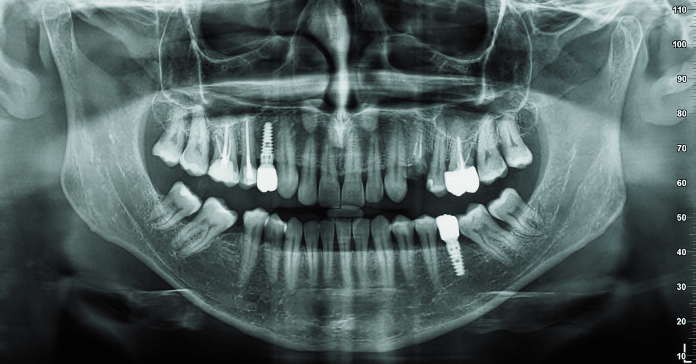
To confirm the source of discomfort, dentists may perform X-rays or other imaging tests to check for damaged nerves, abscesses, or deeper issues in the root. They also carry out sensitivity tests to identify whether the pain results from exposed dentin.
Home Remedies for Tooth Nerve Pain Relief
While professional care is necessary for long-term solutions, some home remedies can provide temporary relief until you see a dentist:
- Warm Salt Water Rinse: Reduces bacteria, soothes gums, and helps reduce inflammation.
- Cold Compress: Applying ice packs to the cheek may help reduce pain and swelling.
- Over-the-Counter Pain Medication: Ibuprofen or acetaminophen can help manage pain and inflammation.
- Avoiding Triggers: Stay away from hot, cold, or sugary foods that worsen sensitivity and tooth pain.
- Clove Oil Application: Natural anti-inflammatory properties may provide short-term relief.
These are temporary measures. They do not replace professional dental treatment.

Risks of Ignoring Tooth Nerve Pain
Leaving tooth nerve pain untreated can lead to serious complications. Infection may spread to surrounding tissues, forming abscesses and potentially causing systemic health problems. Prolonged untreated pain may also result in tooth loss, widespread nerve pain, or damage to neighboring teeth. Early treatment helps prevent severe consequences.
Professional Treatment for Tooth Nerve Pain
Dentists offer various treatments depending on the severity of damage or infection. These may include dental fillings, root canal therapy, crowns, or tooth extraction. After diagnosis, your dentist will create a treatment plan tailored to the affected tooth and overall dental health, ensuring both pain relief and long-term protection.
Root Canal Therapy
Root canal therapy is a highly effective dental procedure designed to relieve pain in a tooth by removing the infected or damaged pulp inside. Once the pulp is taken out, the dentist carefully cleans, shapes, and seals the root canals to eliminate infection and prevent it from returning.
Pain can also spread or radiate from one tooth to nearby areas if left untreated, but root canal therapy addresses the source directly, ensuring long-lasting tooth pain relief. Unlike extraction, this option saves the natural tooth, restores normal function for all types of tooth structures, and prevents further complications that could arise from tooth loss.

Dental Crown Placement
A dental crown may be placed after a root canal or when a tooth is significantly weakened by decay or fracture. The crown restores strength, protects the tooth from breaking, and ensures normal chewing function. It also helps improve appearance by covering damaged areas.
Tooth Extraction
When a tooth is too damaged or infected to be saved, extraction may be the only option. Removing the tooth prevents the infection from spreading and provides immediate relief from severe nerve pain. After extraction, replacement options like dental implants or bridges may be recommended.
How to Prevent Tooth Nerve Pain
Prevention is key to avoiding nerve pain and protecting your dental health. Here are some effective strategies:
- Brush Twice Daily: Use fluoride toothpaste to strengthen enamel and clean your teeth.
- Floss Every Day: Removes plaque and tartar buildup between teeth that brushing may miss.
- Schedule Regular Dental Check-Ups: Professional cleanings and exams help detect early issues.
- Avoid Sugary and Acidic Foods: These can erode enamel and lead to cavities.
- Wear a Mouthguard: Protects teeth from trauma and grinding that may expose nerves.
- Maintain Good Dental Hygiene: Consistent care reduces the risk of decay, gum problems, and tooth sensitivity.
Conclusion
Tooth nerve pain is more than just discomfort; it often signals an underlying problem, such as tooth decay, infection, or a damaged tooth. Because the tooth’s nerve is so sensitive, even minor irritation can lead to sharp pain that does not go away easily. While home remedies may provide temporary pain relief and treatments, only a dentist can accurately diagnose the cause, whether it refers to pain from exposed dentin, infection, or dental trauma like a crack. Ignoring a painful tooth can lead to worsening problems, making early care essential.
If you are experiencing tooth nerve pain that is focused on one area or spreads to other areas, it’s important to seek professional help. An emergency dentist can stop tooth pain quickly and recommend the right options for tooth care, whether that involves a filling, root canal therapy, a crown, or extraction. These dental procedures not only treat tooth nerve pain but also reduce pain and inflammation, helping restore your dental health.
The best approach, however, is prevention. Since causes of dentinal sensitivity include enamel erosion, gum recession, or decay, protecting your teeth through daily brushing, flossing, and regular check-ups is essential. Remember, nerve pain is a sharp reminder that your dental health needs attention. By taking action early, you can ensure the pain goes away and safeguard your smile.
