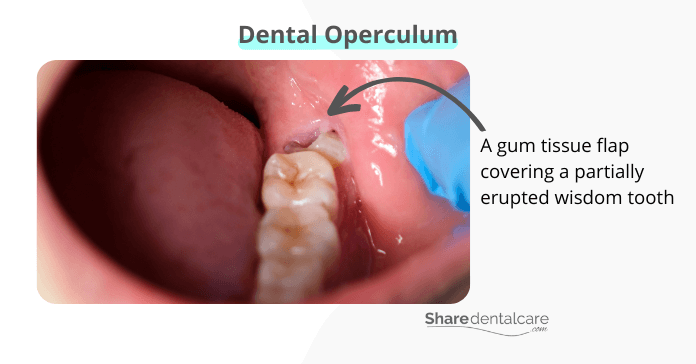
Wisdom teeth are the last set of molars to appear in your mouth, typically emerging in late adolescence or early adulthood. Sometimes, when the wisdom tooth is erupting, a flap of gum tissue called a dental operculum may cover the biting surface of the tooth biting surface. This condition is common in dentistry, especially with lower third molars, but it can lead to infection and cause significant pain. Understanding what a dental operculum is and how it can be treated is essential for maintaining good oral health. In this blog post, we will explain the nature of a dental operculum and discuss various treatment options.
What is a Dental Operculum?
A dental operculum is a flap of gum tissue that covers the crown of a partially erupted or impacted tooth. This common dental condition is often found in teenagers and young adults, typically related to the eruption of their wisdom teeth, also known as third molars. As these teeth erupt into the mouth, the operculum can sometimes cover the chewing surface of a tooth.
In most cases, when wisdom teeth erupt, the dental operculum moves away as the tooth comes in. However, if there is not enough space for the tooth, the operculum can remain, covering part of the tooth. This can lead to complications, as food particles and bacteria can get trapped underneath the operculum, leading to an increased risk of infection and inflammation, a condition called pericoronitis.
Pericoronitis: Inflammation of the Dental Operculum
The dental operculum can trap food and bacteria, leading to an inflammation known as pericoronitis. This condition involves inflammation of the gum tissue surrounding a partially erupted or impacted tooth, particularly the lower wisdom teeth.
Pericoronitis without wisdom teeth can occur in rare cases when the gum tissue becomes inflamed due to other partially erupted teeth or dental issues.
Signs and Symptoms
Pericoronitis is characterized by:
- Pain and discomfort around the affected area
- Swelling around the tooth
- Bad breath even after brushing teeth
- Redness of the gum tissue
- Bleeding when brushing teeth or flossing
- Discharge of pus from the gums
- Pericoronitis may cause a bad smell and foul taste in the mouth
- Difficulties opening or closing your mouth
If an infected dental operculum is left untreated, the infection can spread to surrounding tissue. This can lead to a more serious condition, Ludwig’s Angina, requiring immediate medical attention.
Risk factors
Several factors can increase your risk of inflammation of the gum flap over a wisdom tooth. Pericoronitis can develop due to:
- Poor oral hygiene: Failing to keep your mouth clean can lead to the buildup of food particles and bacteria around your wisdom teeth, increasing the risk of gum infection.
- Age between 20 to 29: This age group is more likely to experience the tooth eruption of wisdom teeth, which can lead to pericoronitis.
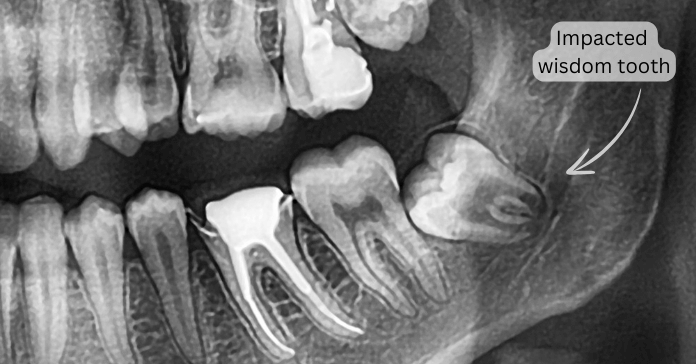
- Impacted or partially erupted tooth: Teeth that are partially erupted or impacted wisdom teeth can cause the gum flap, called an operculum, to become inflamed.
- Periodontal diseases: Conditions such as gingivitis or periodontitis can weaken gum tissue and make it more susceptible to infection.
- Pregnancy: Hormonal changes during pregnancy can affect gum health and increase the risk of inflammation and infection.
- Smoking or chewing tobacco products: Tobacco use can impair oral health and make it harder to keep the area around your wisdom teeth clean.

Home Remedies for Inflamed Gum Flap Over Wisdom Tooth
Inflammation of the gum flap over a wisdom tooth can be painful and lead to infection if not properly managed. While professional dental treatment is often necessary, there are several home remedies you can try to reduce discomfort and maintain oral health.
- Good oral hygiene: Brushing and flossing regularly will help keep your mouth clean and reduce the bacteria that can cause infection. Make sure to clean the area around your wisdom teeth thoroughly to prevent food particles from getting trapped underneath the operculum. This is crucial for maintaining oral health and preventing further complications.
- Over-the-counter pain medications: Non-steroidal anti-inflammatory drugs (NSAIDs) such as ibuprofen or naproxen can be used to relieve pericoronitis pain and reduce inflammation. Follow the dosage instructions on the packaging.
- Saltwater rinses: Swishing with warm salt water may help reduce swelling and relieve soreness. This is one of the most popular home remedies for pericoronitis treatment at home. Pericoronitis salt water rinse involves dissolving a teaspoon of salt in a glass of warm water and rinse your mouth several times a day.
- Hydrogen peroxide rinse: A mild hydrogen peroxide solution can help reduce bacteria and infection. Mix equal parts of hydrogen peroxide and water, swish it around your mouth, and spit it out. Do not swallow the solution.
- Cold compress: Apply a cold compress to the outside of your cheek near the swollen area. This can help reduce swelling and numb the pain temporarily.
- Maintain hydration: Drink plenty of water to help flush out bacteria and keep your mouth clean.
When to See a Dentist?
While home remedies can provide temporary relief, professional dental care is essential to prevent complications. Consult a dentist if you experience persistent symptoms or if the condition worsens.
Seeing your dentist for a proper diagnosis and treatment is necessary. Dentists have the expertise and tools to thoroughly examine your wisdom teeth and surrounding gum tissue.
They can assess the extent of the infection and decide the best course of action to treat it effectively. When you visit a dentist, the process usually involves:
- Examine your wisdom teeth: The dentist will perform a thorough examination of your back molars and the gum flap to assess the condition.
- Diagnosis: The dentist will check for signs of pericoronitis, such as swelling, redness, and discharge, to diagnose the condition accurately.
- Dental X-rays: To get a clear view of the impacted or partially erupted tooth, dental X-rays are often necessary. These images help the dentist understand the position of the tooth, the extent of the infection, and whether the tooth continues to erupt.
- Treatment plan: Based on the diagnosis, the dentist will suggest a treatment plan. This may include antibiotics to reduce infection, or they may recommend oral surgery to remove the operculum if the tooth is still partially covered.
It’s crucial to consult a dentist right away if you suspect an infection or pericoronitis symptoms.
Treatment Options for Inflamed Dental Operculum
The treatment of an infected dental operculum depends on the severity of the pericoronitis and the condition of the affected tooth. To cure pericoronitis and ensure optimal dental care, your dentist may recommend the following operculum treatment options:
- Professional teeth cleaning: Professional cleaning is essential to keep it clean and remove any food debris or bacteria around the affected tooth This helps prevent further infection and reduce inflammation.
- Antibiotics: Your dentist may also prescribe antibiotics to help clear up any existing infection and reduce swelling. These medications are crucial for managing pericoronitis symptoms and preventing complications.
- Operculectomy: If the infection and pain persist, oral surgery may be necessary to remove the gum flap and expose the third molar biting surface. This procedure is known as operculectomy. It is performed under local anesthesia and can prevent further issues by allowing the tooth to break through the gum properly.
- Wisdom tooth extraction: In some cases, the dental operculum may grow back after the operculectomy. If this happens, wisdom tooth extraction may be necessary to prevent recurrence and further complications such as tooth decay and dental abscess.
Conclusion: Dental Operculum
A dental operculum is a flap of gum tissue that covers the crown of a partially erupted or impacted tooth. This common dental condition can lead to discomfort and inflammation if food debris and bacteria become trapped underneath.
Treatment options for a dental operculum vary depending on the severity of the condition. Treatment may include antibiotics to manage infection, oral surgery to remove the gum flap, or extraction of the impacted tooth to ensure proper tooth eruption.
It’s essential to schedule an appointment with your dentist if you experience symptoms such as swelling and infection around your wisdom teeth. Early intervention and consultation with a dental professional can help determine the best course of treatment for your dental health needs.
