Have you ever wondered if a root canal on a crowned tooth is possible? Many patients believe that once a dental crown is placed, the tooth is fully protected and safe from future problems. While a crown is an excellent restorative procedure that strengthens and restores the tooth’s structure and function, the natural tooth underneath can still develop issues, such as infection, decay, or pulp inflammation. When this happens, you may still need a root canal procedure, even on a tooth with a crown. In this blog post, we will explain whether a root canal can be performed on a crowned tooth, outline the potential risks, explore alternatives such as crown replacement or extraction, and provide aftercare tips to ensure a successful and comfortable recovery.
Why Would You Need a Root Canal on a Crowned Tooth?
A root canal on a crowned tooth may be needed if problems develop beneath the crown that affect the pulp inside your tooth. Even though a crown is a great restorative procedure that can fix and protect a damaged tooth, the underlying tooth may still become infected or decayed over time. Tooth decay under the crown, a misfit crown that leaves gaps, or new damage to the tooth structure can allow bacteria to reach the pulp inside the tooth. This can lead to an infection in your tooth, causing tooth pain, swelling, or sensitivity around the crown. In such cases, your dentist may recommend root canal therapy to remove the infected pulp from inside the tooth and save the tooth and its root rather than extracting it. A root canal with crown access is a common dental procedure that helps restore the treated tooth, making it possible to keep your natural tooth and avoid more invasive treatments like extraction and teeth replacement options.
Can a Root Canal Be Done Through a Crown?
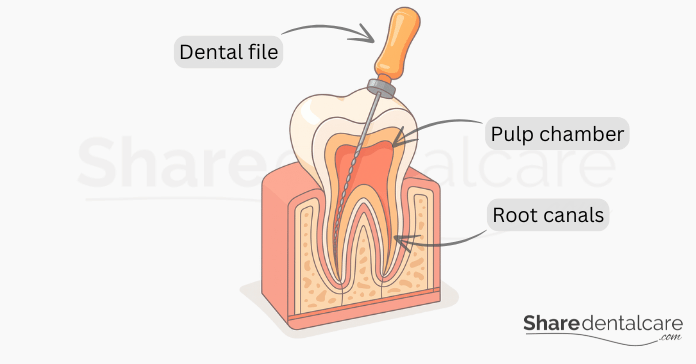
Yes, a dentist can usually perform a root canal on a crowned tooth without removing the crown. The dentist carefully creates a small opening through the existing crown to access the inside of the tooth and reach the infected pulp. This endodontic procedure allows the dentist to clean and disinfect the root canals while keeping the crown in place, which helps protect the tooth structure and avoid the need for another crown placement.
However, if the crown is cracked, loose, or does not fit properly, the dentist may recommend removing the crown first to ensure the root canal treatment is successfully performed and the tooth is restored. The decision depends on the condition of the tooth and crown, but in many cases, treating the tooth through the crown is both safe and effective.
The Root Canal Procedure on a Crowned Tooth
When a dentist performs a root canal on a crowned tooth, the process begins by creating a small opening through the crown to access the inner part of the tooth. Using special instruments, the dentist carefully removes the infected pulp from inside the tooth, down to its root, then cleans and shapes the canals to eliminate bacteria and prevent further infection. This step is very important because it allows the tooth to heal and reduces tooth sensitivity or pain caused by infection. If the crown is stable and fits well, the dentist can usually keep it in place while working through it. However, if the crown becomes loose or damaged, the dentist may decide to remove it to perform root canals more effectively.
After cleaning, the dentist fills the canals with a safe material to restore the treated tooth and prevent reinfection. The small access opening in the crown is sealed with a filling so the tooth and crown are protected. This endodontic procedure helps save your tooth and keep the crown in place, avoiding the need for a new one unless the crown is compromised. With proper root canal aftercare measures, the treatment is successfully performed, and the tooth may last for many years, allowing you to chew comfortably and maintain a healthy smile.
Risks and Challenges of Root Canal with a Crown
When a tooth already has a crown, getting a root canal can be more complicated. While it is possible, your dentist must consider several risks and challenges before starting the procedure. Here are the main concerns:
- Crown Damage During Access: To perform a root canal on a crowned tooth, the dentist often needs to drill through the crown. This may weaken or damage the crown, especially if it is old or made of porcelain. In some cases, you may need a new crown after treatment.
- Higher Risk of Tooth Fracture: A crowned tooth that undergoes root canal treatment may become more fragile. The process of creating an access hole and cleaning deep inside the tooth till its root can increase the chance of cracks or fractures.
- Reduced Longevity of the Crown: Even if the crown remains intact, its strength and fit may not be as durable as before. The exact longevity of a root canal and crown varies, but any alteration can shorten how long the crown lasts.
- Possible Root Canal Failure: If the dentist cannot fully clean and seal the infected pulp inside your tooth, the infection may return. Root canal infection symptoms include persistent pain, swelling, or sensitivity, and in some cases, you may need another root canal or even tooth extraction.
- Difficulty in Achieving a Perfect Seal: When a root canal is performed through a crown, sealing the access hole properly is essential. If the filling falls out or leaks, bacteria may re-enter, leading to reinfection and the need for additional treatment.
A root canal with crown protection can still be successful, but the outcome depends on factors like the type of crown, the tooth’s condition, and how carefully the procedure is done.
When Can the Existing Dental Crown Be Preserved?
A root canal on a crowned tooth can sometimes be done without removing the crown. In many cases, the dentist only needs to make a small opening through the existing crown to reach the inside of the tooth. This allows the dentist to clean out the infected pulp, disinfect the canals, and complete the root canal process while keeping the crown intact. The crown may be preserved if it is still in good condition, fits properly, and continues to protect the tooth from breaking.
Since a crown is also designed to strengthen the tooth after decay or damage, keeping it in place saves time and cost while still ensuring effective dental care. The decision to keep the crown depends on factors such as how well it is seated, whether there are any cracks, and whether the root canal can be performed successfully without removing it.
Alternatives to Root Canal on a Crowned Tooth
If a root canal on a crowned tooth is not possible or the tooth is too damaged to save, your dentist may suggest other options to protect your oral health. In some cases, the crown may need to be replaced if it no longer fits properly or if decay has spread underneath it.
If the tooth is severely decayed or fractured beyond repair, extraction becomes the only solution. After removal, you can replace the missing tooth with a dental implant, which acts as a strong and natural-looking substitute, or with a bridge, depending on your needs.
These alternatives may sound overwhelming, but they ensure that even if an infected tooth cannot be restored with a root canal, you still have reliable ways to maintain function, comfort, and a healthy smile.
How Long Does a Root Canal on a Crowned Tooth Last?
When patients ask how long a root canal on a crowned tooth will last, the answer depends on several factors. While this treatment is designed to save and protect the tooth for many years, its success relies on the quality of the crown, the condition of the tooth, and how well you care for it afterward. Here are some points to understand:
- Typical Longevity: A root canal on a crowned tooth can last 10 to 15 years or even longer if done correctly and supported with good oral care. Many patients enjoy decades of use without problems when the crown is well-fitted and the root canal is successful.
- Quality of the Crown: The durability of the treatment depends on the type of crown placed on the tooth. Gold crowns last longer and are highly resistant to wear, while porcelain and resin crowns may not last as long but provide better aesthetics.
- Condition of the Tooth: If the tooth is affected by deep decay or cracks before treatment, its long-term survival may be reduced. A crown after a root canal helps protect the weakened tooth structure from breaking under pressure.
- Proper Dental Care: Daily brushing, flossing, and avoiding harmful habits like teeth grinding or chewing hard objects play a big role in how long the root canal crown will last. Good dental care lowers the chance of reinfection and keeps the crown strong.
- Regular Dental Visits: Follow-up appointments allow your dentist to check if the root canal crown is still sealing the tooth properly. Early detection of problems ensures quick solutions and helps the treatment last longer.
- Individual Factors: The lifespan of a root canal varies depending on your oral hygiene, bite forces, and overall health. With the right care and maintenance, a successful root canal with a crown may protect the tooth comfortably for many years.
Aftercare Tips for a Crowned Tooth with Root Canal
Taking care of your tooth after undergoing a root canal on a crowned tooth is essential for long-term success. Proper aftercare prevents complications such as crown or filling failure, root canal infection, or discomfort that may arise after treatment. Here are some important tips:
- Manage Discomfort: Mild pain or root canal pain after 3 days is common, but it should gradually improve. Over-the-counter pain relievers and following your dentist’s instructions can provide root canal pain relief.
- Maintain Good Oral Hygiene: Brush and floss daily around the crown to prevent decay or infection under the crown. A crown to perform its job well needs healthy surrounding gums and teeth.
- Attend Regular Dental Visits: Schedule follow-ups so your dentist can check if the crown on the root canal is intact, make sure the tooth structure is stable, and address any issues, such as if the root canal filling fell out.
- Protect Against Grinding: If you grind your teeth at night, your dentist may suggest a night guard to prevent excess pressure on the crown, helping it last longer.
- Monitor for Warning Signs: If you notice swelling, root canal infection symptoms, or another reason for the pain that doesn’t go away, contact your dentist immediately. Ignoring these signs may lead to the need for a root canal retreatment or even recommend tooth extraction.
Conclusion
A root canal on a crowned tooth may sound complicated, but it is often possible and highly effective when the underlying tooth becomes infected or decayed. While the crown is designed to protect and strengthen the tooth, issues such as pulp infection or decay underneath can still occur. In these cases, your dentist can often perform the root canal through the crown, preserving your natural tooth and avoiding unnecessary extraction.
Like any dental procedure, there are challenges to consider, such as crown damage, reduced longevity, or reinfection, but with proper care, the treatment can be successful and long-lasting. In fact, many patients keep their treated tooth for 10 to 15 years or longer when they maintain good oral hygiene, attend follow-up visits, and protect the crown from unnecessary stress.
Alternatives like crown replacement, extraction, or dental implants ensure you still have reliable options to restore your smile. The key is early diagnosis and professional guidance. If you notice pain, swelling, or sensitivity around a crowned tooth, don’t wait; visit your dentist promptly. Taking action early can protect your dental health, keep your smile strong, and save you from more complex treatments later.
