Most parents expect their baby’s first tooth to appear around six months of age, so it can be surprising, even alarming, when a baby is born with teeth already visible. These early teeth, known as natal teeth, are rare but not unheard of. In fact, babies can be born with one or more teeth present at birth, most often in the lower front gums. While natal teeth may look like regular baby teeth, they can sometimes be loose, cause discomfort to your newborn, or even lead to irritation of the tongue or gums. In this blog post, we will explain what natal teeth are, explore possible causes, discuss when they might need attention, and share tips on caring for a newborn with teeth to keep both your baby and their smile safe.
Baby Born with Teeth: What Does It Mean?
A baby born with teeth is an unusual but remarkable event in pediatric dentistry. These teeth, called natal teeth, are present at birth, while neonatal teeth erupt within the first month of life. Most often, these teeth are the lower central incisors, and they may be part of the child’s normal set of primary teeth or extra teeth altogether. The incidence of natal teeth is rare, with studies estimating it happens in only about 1 in every 2,000 to 3,000 births. In many cases, the teeth are small, slightly loose, and not fully developed, but they can still cause dental concerns, such as feeding difficulties or irritation to the baby’s tongue.
What Are Natal and Neonatal Teeth?
The main difference between natal and neonatal teeth is the timing of their appearance.
- Natal teeth are teeth present at birth. These teeth are usually part of the normal set of primary teeth, but may sometimes be extra teeth.
- Neonatal teeth are teeth that erupt within the first 30 days after birth. Like natal teeth, they are usually primary teeth that have prematurely erupted.
What Natal Teeth Look Like?
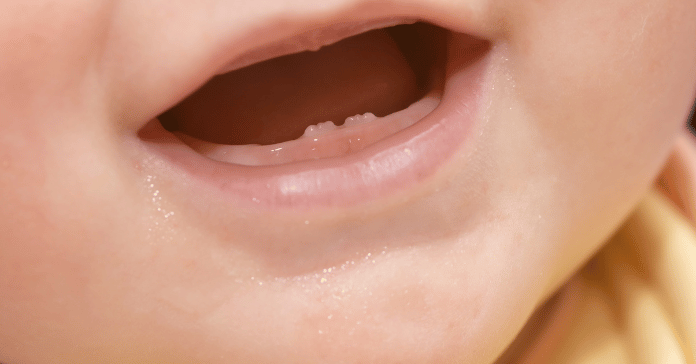
A baby born with natal teeth will often have teeth that look different from fully developed primary teeth. These early teeth are usually small, with a slightly yellowish or off-white color, and their enamel may appear thinner or less shiny. They can be conical, pointed, or irregular in shape, and sometimes the top edges of the teeth are not smooth.
Many natal teeth feel a bit loose because their roots are not fully formed, which makes them more fragile than regular baby teeth. They are most often found in the front of the lower jaw and may cause mild irritation to the baby’s tongue or gums during feeding.

Causes of a Baby Being Born with Teeth
When a baby is born with natal teeth, parents naturally want to know why. In many cases, babies are completely healthy, but several factors can contribute to early tooth eruption. Below are the most common causes:
- Genetics and Family History: A baby born with natal teeth is more likely if there is a family history of teeth at birth. Some studies suggest that genetics can influence early tooth eruption.
- Syndromes and Medical Conditions: Certain rare syndromes, such as Ellis–van Creveld syndrome (chondroectodermal dysplasia), cleft lip and palate, and other developmental disorders, can be linked to natal teeth. These conditions may affect how and when teeth form.
- Developmental Factors: In some cases, teeth that are part of the normal set of primary teeth develop earlier than usual, causing them to appear at birth. This may happen without any underlying medical condition.
- Superficial Tooth Germ Position: When a developing tooth is positioned unusually close to the gum surface, less bone and soft tissue need to be resorbed. This can lead to earlier eruption than normal, sometimes making the tooth visible at birth.
- Unknown Causes: Sometimes natal teeth appear without a clear explanation. They may not be associated with any health problem, but still require evaluation by a pediatric dentist.
Conditions Associated with Natal Teeth
A baby born with natal teeth is usually healthy, but in some cases, these early teeth may be linked to certain medical conditions. Rare genetic disorders like Ellis–van Creveld syndrome, which affects bone growth and development, can sometimes include natal or neonatal teeth as a feature.
Other conditions, such as cleft lip and palate, may also be associated with teeth that erupt at birth or within the first month of life. In these cases, the teeth are often part of a broader pattern of developmental changes.
While most infants with natal teeth have no underlying health issues, it’s important for parents to discuss their baby’s medical history with a healthcare provider or pediatric dentist. This ensures that any related conditions are identified early and that the baby receives the best possible care.
Are Natal Teeth Primary Teeth or Extra Teeth?
A baby born with teeth may have teeth that are part of the normal set of primary teeth or, in rare cases, extra teeth known as supernumerary teeth. In most situations, natal teeth belong to the child’s normal primary dentition and simply erupt earlier than expected. These early teeth are often located in the front of the lower jaw, just like typical primary teeth.
However, if the teeth are extra, they may appear in unusual positions or look different from regular baby teeth. A pediatric dentist can determine whether the teeth are primary or supernumerary through an oral examination and, if needed, dental X-rays. This helps guide the best approach for care and ensures your baby’s oral health is protected.
Potential Problems Caused by Natal Teeth
A baby born with natal or neonatal teeth may face a few challenges that parents should be aware of. These early teeth can sometimes make breastfeeding uncomfortable for the mother and may cause feeding difficulties for the baby. If the teeth have sharp edges, they can irritate or even injure the baby’s tongue, leading to a small ulcer known as Riga-Fede disease.
In rare cases, if a natal tooth is very loose due to underdeveloped roots, there is a risk that the baby could accidentally swallow or inhale it. While many natal teeth do not cause serious problems, it’s important to have them checked by a pediatric dentist to ensure they are safe and not interfering with feeding or oral health.
When to See a Pediatric Dentist?
If your baby is born with natal teeth, you should schedule a visit to a pediatric dentist as soon as possible. Book an appointment right away if the teeth are loose, have sharp edges, cause feeding problems, or lead to irritation or injury to your child’s tongue.
A pediatric dentist will examine your baby’s mouth to check the position, stability, and health of the teeth. In some cases, they may recommend an X-ray to see if the teeth are part of the normal baby set or extra teeth. Early evaluation ensures the teeth are safe, do not interfere with feeding, and do not pose a risk to your child’s health.
Do Natal Teeth Need to Be Removed?
In most cases, a baby born with natal teeth does not need immediate removal. If the teeth are firm, not causing injury, and do not interfere with feeding, your pediatric dentist may simply monitor them during regular check-ups.
However, removal may be necessary if the natal teeth are very loose, as they pose a risk of aspiration (the tooth slipping into the airway), or if they repeatedly cause damage to your child’s tongue or make breastfeeding painful for the mother.
If you notice feeding difficulties, unusual mobility, or irritation, contact your pediatric dentist immediately for professional medical advice and to discuss whether the extraction of natal teeth is the safest choice for your child.
Safe Removal by a Pediatric Dentist
If a baby is born with teeth that need to be removed, a pediatric dentist will perform the procedure safely and gently. The dentist first examines the teeth that are present to check their position, stability, and effect on feeding. If removal is necessary, the dentist uses a small amount of local anesthesia to keep your baby comfortable and prevent pain. The extraction is quick, and the dentist takes special care to control any bleeding.
In some cases, your pediatrician may recommend a vitamin K check before the procedure to support proper blood clotting. After removal, the dentist gives clear instructions on how to care for your baby’s mouth during healing, such as keeping the area clean and monitoring for signs of irritation. This careful approach ensures that the extraction does not affect your baby’s overall health and reduces the risk of complications.
Caring for a Baby Born with Teeth
Caring for a baby born with teeth starts with gentle daily cleaning to keep the mouth healthy and prevent irritation. Use a clean, damp soft cloth or a silicone finger brush to wipe the teeth and gums after each feeding. This helps remove milk residue and reduces the chance of gum discomfort.
If the teeth cause mild rubbing on your baby’s tongue or lips, you can apply a small amount of breast milk to soothe the area, but always check with your pediatrician first.
Make sure feeding is comfortable, and adjust positions if needed to prevent nipple soreness. Regular check-ups with a pediatric dentist ensure the teeth are not causing injury and are developing normally, giving your baby the best start for lifelong oral health.
Conclusion: Baby Born with Teeth
Natal teeth may be rare, but knowing how to handle them can make a big difference for both your baby’s comfort and oral health. While most cases don’t require removal, early evaluation by a pediatric dentist helps determine if the teeth are stable, part of the normal set, and safe for feeding. Understanding the possible causes of natal teeth, from genetics to developmental factors, and recognizing when they may be associated with medical conditions ensures you take the right steps from the start.
With gentle daily care, such as wiping the teeth and gums after feedings, and regular dental check-ups, your baby can avoid irritation or injury. If the teeth are loose or causing problems, a safe removal procedure performed by a pediatric dentist can protect your child from potential risks. Early attention and professional guidance not only prevent complications but also give your baby the best start for lifelong oral health.
If your baby may be born with teeth or you have questions about natal teeth, don’t wait; request an appointment with your pediatric dentist. Taking action early gives you peace of mind and ensures your child’s smile is healthy, safe, and well cared for from the very beginning.
