When it comes to restoring your smile and ensuring long-term oral health, an oral bone graft can play a vital role. This dental procedure helps rebuild the bone structure in your jaw, creating a strong foundation for future treatments like dental implants. Whether bone loss occurred due to missing teeth, gum disease, or injury, bone grafting restores the strength and density of the jawbone, improving both function and appearance.
During this oral surgery, a dentist or oral surgeon may use natural bone or bone graft substitutes to stimulate new bone growth. The process supports bone regeneration by providing a scaffold for healthy bone cells to develop and fuse over time. Depending on the condition of your jaw, the graft may be taken from your own body (autogenous graft), a donor source (allograft), or a synthetic material designed to mimic natural bone structure.
In this blog post, you’ll learn about the different types of dental bone grafts, what happens during the bone graft procedure, recovery tips, and how grafting supports dental implant surgery and long-term oral health.
What Is an Oral Bone Graft?
An oral bone graft is a surgical procedure in dentistry used to rebuild or restore the jawbone that has been lost due to tooth loss, gum disease, or trauma. The process involves adding or replacing bone tissue in areas where the jawbone has become too thin or weak to support a dental implant. By using special bone graft materials, dentists can help stimulate the growth of new bone, creating a strong foundation for future restorations, such as dental implants or bridges.
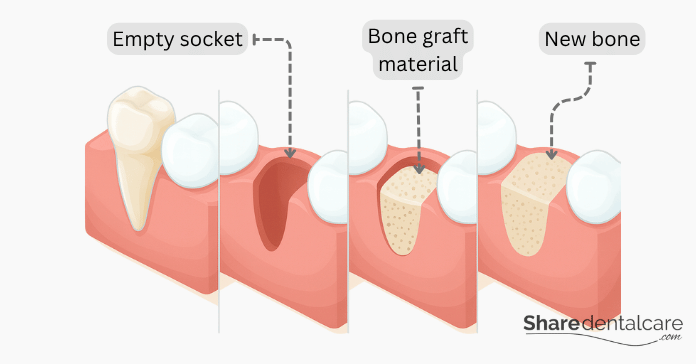
During the procedure, the graft material acts as a scaffold for new bone growth, allowing the body to naturally replace the graft with its own living bone over time. This process restores bone density, improves jaw structure, and supports both oral function and facial appearance.
Why You Might Need a Dental Bone Graft?
Loss of jawbone is a common issue that can occur over time and may affect your ability to receive dental implants or maintain a healthy bite. A dental bone graft helps restore bone volume and structure, preparing the area for future dental restorations. Common reasons include:
- Tooth Extraction: After a tooth is removed, the surrounding bone may shrink if a graft is not placed immediately, leading to loss of bone height and width.
- Gum Disease (Periodontitis): A severe infection can destroy the bone tissue that supports teeth, creating a need for grafting to rebuild the bone. Explore how a periodontitis bone graft restores bone structure after gum infection.
- Injury or Trauma: Accidents that damage teeth or bone may require graft placement to rebuild the missing section.
- Developmental Defects: Some patients naturally have insufficient bone quantity, requiring augmentation before implant surgery.
Types of Bone Grafts Used in Dentistry
Dentistry offers several types of bone graft materials based on their origin and biological behavior. The main categories are autografts, allografts, xenografts, and synthetic grafts. Each serves as a scaffold for new bone formation, promoting bone healing and regeneration through the body’s natural processes.
Autogenous Bone Grafts
An autogenous bone graft (also called an autograft) uses bone harvested from the patient’s own body, typically from the chin, jaw, or lower leg bone. Because the graft material is the patient’s own live bone tissue, it contains bone marrow and natural bone morphogenetic proteins that help stimulate new bone formation. This method is often referred to as the gold standard for grafting because it integrates quickly and carries no risk of rejection. However, it may require a second procedure to collect the donor bone.
Allograft and Xenograft Options
Allografts use donor bone obtained from another human source. The material is carefully processed for safety and sterilized to remove all living cells, leaving only the mineral framework that acts as a scaffold for bone growth. This option eliminates the need for a second surgery and can effectively restore lost bone for implant placement.
Xenografts, on the other hand, come from animal bone sources, usually bovine (cow) or porcine (pig). These materials are also thoroughly processed to ensure they are safe and biocompatible. While they do not integrate as quickly as autogenous bone, xenogenic grafts serve as a strong framework for bone regeneration, providing excellent stability and long-term bone volume maintenance.
Synthetic and Composite Grafts
Synthetic bone grafts are man-made materials, such as hydroxyapatite or calcium phosphate compounds, that mimic natural bone and encourage the body to create new bone tissue.
Composite grafts combine natural and synthetic elements, such as demineralized bone matrix mixed with synthetic scaffolds, creating an ideal environment for bone healing and regrowth. These grafting options are commonly used when patients prefer to avoid donor sources.
The Oral Bone Graft Procedure Step-by-Step
The oral bone grafting procedure involves several stages, each carefully planned to ensure optimal results. It begins with an initial examination, where the dentist or oral surgeon evaluates the quantity of bone through X-rays or 3D imaging. Once the type of bone graft material is selected, the graft is placed in the deficient area, shaped to fit the graft site, and stabilized. Over the next few months, the body naturally replaces the graft with new, live bone, restoring the bone density required for implants.
Preparing for the Oral Bone Graft Procedure
Before surgery, your dentist will assess your bone volume and determine which type of bone graft material is best suited for your needs. They will also evaluate your overall dental health and medical history. Using advanced imaging, they plan the exact location and size of the graft to ensure it aligns with implant placement or other restorative needs.
The Grafting Process
During the procedure, the surgeon makes a small incision in the gum to expose the jawbone. The graft material is carefully placed into the deficient area and secured using membranes or tiny screws to hold it in position. Once stabilized, the area is sutured closed to protect the graft site as healing begins. This surgical procedure typically takes 45 to 90 minutes, depending on the complexity and the amount of bone required.

Healing and Bone Regeneration
After the graft is placed, the body begins forming new bone tissue that fuses with the graft. This process, known as osseointegration, may take several months. Over time, the graft material is replaced by live bone, creating a strong foundation for dental implant placement. The growth of new bone ensures that the restored area can handle the pressure and function of natural teeth. Discover what to expect during the dental bone graft healing stages.
Recovery and Aftercare Tips for Oral Bone Graft
Proper aftercare plays a major role in achieving a successful bone graft. Following your dentist’s instructions helps prevent complications and supports faster healing.
- Pain Management: Take prescribed medications and use cold compresses to reduce swelling and discomfort.
- Oral Hygiene: Keep the mouth clean, but avoid brushing directly over the surgical site; use an antibacterial mouth rinse as directed.
- Diet: Eat soft foods like yogurt, soup, and mashed potatoes for the first few days to avoid disturbing the graft site.
- Avoid Smoking: Smoking can restrict blood flow and slow bone healing, increasing the risk of graft failure.
- Follow-Up Visits: Attend all scheduled appointments so your dentist can monitor bone regeneration and healing progress.
Oral Bone Grafting and Dental Implant Surgery
Bone grafting is often a crucial part of restorative dentistry, especially before implant surgery. Rebuilding lost bone creates the quantity and quality of bone necessary to anchor dental implants securely. Without sufficient bone density, the implant fixture may fail to integrate, making bone grafting essential for long-term implant success.
When is Bone Grafting Done Before Implants?
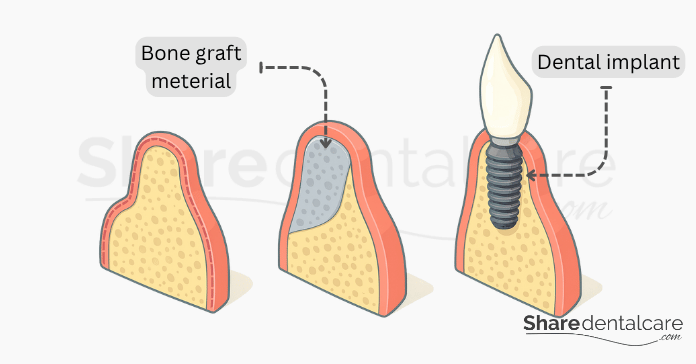
When significant bone loss has occurred, often from tooth extraction, periodontal disease, or years without a tooth, an oral bone graft is typically performed several months before implant surgery. This allows time for the grafted bone to fully heal and integrate with the natural jawbone, creating the solid foundation needed for a long-lasting implant fixture. Depending on the type of graft material and the patient’s healing capacity, the waiting period usually ranges from 3 to 9 months. Performing grafting in advance helps ensure better implant stability, proper alignment, and long-term success of the restoration.
Simultaneous Graft and Implant Placement
In cases where bone loss is minor or the jawbone still has enough strength to support an implant, your dentist may recommend performing bone grafting and implant placement at the same time. This combined approach shortens overall treatment time and encourages the graft material and implant to heal together as the surrounding bone regenerates. The graft is placed around the implant post to fill small gaps or defects, enhancing bone contact and osseointegration. This method is ideal for patients with moderate bone deficiencies, provided there are no active infections and the bone quality is sufficient for initial implant stability.
Benefits of Bone Graft for Oral Health
A successful oral bone graft offers multiple advantages that go beyond preparing for dental implants.
- Restores Jaw Structure: Rebuilds the jawbone and maintains natural facial contours.
- Supports Dental Implants: Provides a stable foundation for implants and bridges.
- Prevents Further Bone Loss: Stops ongoing bone resorption after tooth loss.
- Improves Chewing and Speech: Restores normal oral function and comfort.
- Enhances Facial Appearance: Keeps facial muscles supported and prevents sunken cheeks caused by missing bone.
- Promotes Long-Term Oral Health: Strengthens the jaw structure, reducing the risk of future dental complications.
Risks and Possible Complications
Although bone grafting is a safe procedure, it still carries potential risks like any surgical treatment. Common issues include minor infection, swelling, or graft failure if the graft doesn’t integrate properly.
These risks are minimized by proper surgical planning, sterile technique, and close post-operative care. Patients are advised to follow all instructions carefully and report any unusual symptoms. Most complications can be avoided with good oral hygiene and regular follow-up visits.
How Long Does a Bone Graft Take to Heal?
The healing time depends on the type of graft, bone density, and the patient’s overall health. On average, new bone formation takes three to six months. Autogenous bone grafts often heal faster because they contain living bone cells, while xenografts or synthetic materials may take longer. Your dentist will monitor progress through imaging to determine when the site is ready for dental implant placement.
Maintaining Long-Term Oral Health After Bone Grafting
To ensure lasting results after an oral bone graft, consistent oral care and healthy habits are key.
- Maintain Excellent Oral Hygiene: Brush and floss daily to prevent infection.
- Regular Dental Check-Ups: Schedule follow-ups to monitor bone health and implant stability.
- Avoid Smoking or Excessive Alcohol: Both can interfere with bone healing and long-term success.
- Eat a Balanced Diet: Nutrients like calcium, vitamin D, and protein support bone strength.
- Protect Your Teeth: Use mouthguards during sports and avoid clenching or grinding that may stress implants.
Conclusion
An oral bone graft plays a crucial role in restoring jawbone strength and preparing the mouth for long-lasting dental restorations like dental implants and bridges. By rebuilding bone in the jaw that has been lost due to tooth extraction, gum disease, or trauma, this procedure provides the stable foundation needed to support replacement teeth and maintain natural facial structure. Whether using an autogenous bone graft, allograft bone, or synthetic bone substitute, the goal remains the same: to rebuild bone that supports both function and aesthetics.
Every patient’s case is unique, and the bone grafting option best suited for you depends on factors such as bone density, the area of bone loss, and your treatment goals. Some may need grafting before implant placement, while others can undergo both procedures in the same visit.
Following your dentist’s aftercare advice, maintaining oral hygiene, attending follow-up appointments, and avoiding habits that delay healing, ensures the graft integrates properly and supports future dental implants and other restorative treatments.
If you’ve experienced bone loss in your jaw or are planning to replace missing teeth, consult your dentist or oral surgeon to discuss the bone grafting explanation and options available. With proper planning and care, an oral bone graft can help you regain both confidence and function, leading to a healthier, stronger, and more beautiful smile that lasts for years.
