Have you ever felt a dull ache in your jaw that won’t go away, and wondered if it’s more than just dental pain? Jaw pain can be frustrating, especially when it seems to flare up without an obvious cause. Surprisingly, one of the most overlooked reasons behind this discomfort is a sinus infection. Yes, that stuffy nose or sinus pressure you’ve been battling could be causing more than just a headache; it could also be triggering jaw pain. The connection between your sinuses, teeth, and jaw joints is more complex than many realize. In this blog post, we will break down the common causes of jaw pain linked to sinus infections, TMJ disorders, and dental issues. You’ll also learn how to recognize the symptoms of sinusitis, understand when to see your dentist or healthcare provider, and discover tips that may help relieve discomfort and improve your overall oral and sinus health.
How Sinus Infection Can Lead to Jaw Pain?
The sinuses are air-filled spaces in your skull located behind the forehead, cheeks, and around your eyes. These hollow cavities help warm and moisten the air you breathe. When the sinuses become inflamed, a condition known as sinusitis or rhinosinusitis, they can swell and fill with mucus, often caused by a bacterial infection or allergies and sinus issues.
This swelling puts pressure on nearby structures, including the jaws. As a result, people may experience uncomfortable symptoms like tenderness in the cheeks, tooth sensitivity, or pain in the upper jaw. Since the roots of the upper back teeth sit close to the nasal cavities, sinus inflammation can easily mimic tooth pain or trigger jaw pain. This overlap of symptoms can make it hard to tell whether the jaw pain is from a dental issue or a sinus infection.

Symptoms of Sinusitis to Watch For
Sinus infections often produce a mix of facial discomfort and pressure that can mimic dental issues. A sinus infection can cause:
- Nasal Congestion: A blocked or stuffy nose is one of the most common symptoms of sinusitis.
- Facial Pressure or Pain: You may feel pain around the cheeks, forehead, or sides of your face, especially near the sinus cavity.
- Headache: A dull ache, often called a sinus headache, usually worsens when you bend forward.
- Jaw Pain on One Side: Swollen sinuses can press on nerves near the upper jaw, leading to pain on one side of the face.
- Fever: A mild fever may occur if the infection is caused by a bacterial infection.
- Post-Nasal Drip: Mucus draining into the throat can cause coughing or a sore throat.
- Fatigue: Ongoing sinus pressure can leave you feeling tired or run down.
If the following symptoms last more than 10 days or get worse, it’s time to call the doctor. Your provider may recommend a treatment to relieve sinus pressure and restore comfort.
Other Possible Causes of Jaw Pain: Is It Just a Sinus Infection?
Jaw pain can come from several sources, and it’s not always easy to tell what’s causing it. While a sinus infection is a common reason, especially when the maxillary sinuses become swollen and inflamed, there are other possibilities you shouldn’t overlook. Conditions like temporomandibular joint disorder (TMD), toothaches, and even grinding your teeth at night can all cause pain in the upper or lower jaw.
TMJ Disorder
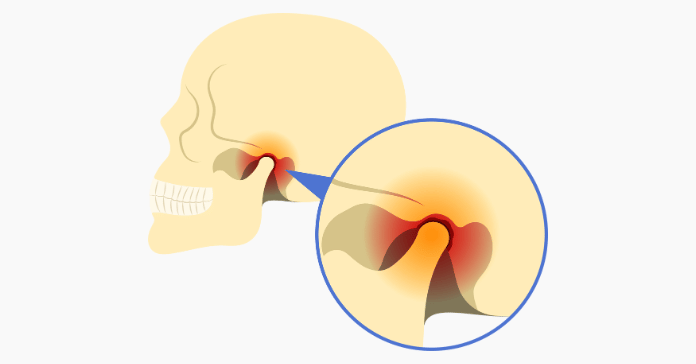
Temporomandibular joint (TMJ) disorder is a condition that affects the joints connecting your lower jaw to your skull. These joints help you talk, chew, and yawn, so when they’re not working properly, they can cause jaw pain, clicking sounds, stiffness, and even headaches.
People suffering from TMJ often experience persistent jaw pain, particularly near the ears or when opening and closing their mouth. The pain can feel similar to jaw pain associated with a sinus infection, making it difficult to distinguish between the two without a proper examination.
Toothache and Dental Problems
Tooth infections, especially gum disease, deep cavities, or dental abscesses, can radiate pain to your jaw and even mimic jaw pain from sinus infection symptoms. When bacteria reach the pulp inside a tooth, the resulting inflammation can trigger pain that spreads to the surrounding bone and tissues, including areas near your ear and jaw. This pain often feels sharp or throbbing and may worsen when chewing or applying pressure.
In some cases, it becomes difficult to tell if the discomfort is coming from your teeth or sinus pain, especially if you’re also experiencing general facial discomfort. Because similar symptoms can occur with sinus infections and dental issues, it’s important to make an appointment with a dentist or healthcare provider to identify the cause and get the appropriate treatment. Ignoring a tooth infection not only affects your quality of life but may also allow the infection to spread, often causing swelling, one-sided pain, or even damage to nearby structures.
Bruxism
Bruxism, or teeth grinding, is a common habit that many people do unconsciously, especially during sleep. Over time, grinding your teeth places excessive pressure on the jaw muscles and joints, which can lead to pain and pressure in the jaw area. This pain can feel similar to discomfort caused by sinus infections or even toothaches, making it harder to figure out what’s going on. The pain can occur alongside symptoms like headaches or jaw stiffness. If left untreated, chronic grinding may damage your teeth and jaw joint.
To find relief, your dentist may recommend a nightguard and a personalized treatment plan that protects your teeth and reduces strain on the jaw. If you’re experiencing persistent jaw discomfort, it’s best to schedule an appointment and seek professional help to get to the root of the problem.
TMJ Disorder vs. Sinus Infection: Spotting the Difference
Telling the difference between TMJ disorder and sinus-related jaw pain can be tricky since both can cause pain in your jaw and facial discomfort. However, the symptoms usually feel different. With TMJ disorder, the pain may come with a clicking or popping sound when you open or close your mouth. You might also feel jaw stiffness, have trouble chewing, or notice that your jaw locks or shifts out of place.
On the other hand, jaw pain from a sinus infection often comes with cold symptoms like a stuffy nose, facial pressure, or discomfort around your nose and throat. This type of pain usually worsens when you bend forward or during sudden head movement.

When to Call Your Doctor or Dentist?
You should call your doctor or dentist if you’re experiencing jaw pain, especially when the pain is severe, comes with swelling, or doesn’t improve after a week. If symptoms last longer than 10 days, it could mean that the infection may have worsened or spread.
Sometimes, jaw pain from a sinus infection feels similar to TMJ disorder or a dental problem, so it’s important to get a clear diagnosis. Your healthcare provider will examine your face, jaw, and teeth, and may use imaging tests like an X-ray or CT scan to look at your sinuses, jaw joints, or teeth.
These tests help identify if the pain is coming from sinus inflammation, a joint issue, or something like a cavity or abscess. Getting a diagnosis early is the best way to find relief and start the appropriate treatment.
Care and Treatment for Jaw Pain from Sinus Infection
Managing jaw pain from a sinus infection starts with reducing the inflammation and pressure inside your sinuses. Once the sinus swelling improves, the pressure on nearby areas usually eases. Your doctor may recommend a decongestant, a nasal spray, or even a steroid nasal treatment to relieve the blockage. In mild cases, home care can make a big difference in helping you feel better and keeping your sinuses moist while the infection clears up.
Home Remedies for Jaw Pain Caused by Sinus Infection
Here are some detailed home remedies that may help relieve jaw pain caused by sinus pressure:
- Use a Warm Compress: Place a warm towel over your cheeks and jaw to ease facial tension and improve blood flow, which can reduce pain and swelling.
- Try Steam Inhalation: Inhale steam from a bowl of hot water or take a warm shower. This helps open nasal passages and reduce sinus congestion that may cause facial and jaw pain.
- Stay Hydrated: Drink plenty of fluids to thin the mucus in your sinuses, which helps relieve pressure and promotes healing.
- Perform Nasal Irrigation: Use a saline spray or a neti pot for nasal irrigation to flush out mucus and reduce inflammation in the sinus cavities.
- Use Over-the-Counter Medications: A mild pain reliever or a decongestant may ease both sinus pressure and jaw discomfort. Always follow the dosage instructions and ask your doctor if you’re unsure.
- Keep Your Head Elevated: When resting, elevate your head with extra pillows to encourage sinus drainage and reduce pressure buildup.
- Avoid Irritants: Stay away from smoke, strong perfumes, or allergens that can worsen sinus swelling.

Conclusion
Jaw pain from a sinus infection can be confusing and frustrating, especially when the symptoms overlap with other issues like TMJ disorder or dental problems. Understanding the connection between your sinuses, teeth, and jaw joints is key to finding the right cause and effective treatment. Whether the pain comes from swollen sinuses pressing on nearby nerves, a misaligned jaw joint, or a hidden dental infection, each condition needs a different approach.
Thankfully, most causes of jaw pain can be managed with the right care. Home remedies like warm compresses, nasal irrigation, and staying hydrated can help relieve sinus pressure and ease jaw discomfort. But if your symptoms last more than 10 days, come with swelling, or start to affect your daily life, it’s time to see a healthcare provider. A proper exam, and if needed, imaging tests, will help pinpoint the root of the problem and guide you toward recovery.
Don’t ignore persistent or unexplained jaw pain. Seeking early care not only brings faster relief but also prevents complications. Whether it’s a sinus issue, TMJ, or a dental concern, taking action today can protect your long-term oral and sinus health.
