Hearing that you need a root canal can raise one big question right away: how long does a root canal take? Many people worry that the root canal procedure will take hours or require multiple visits, but the reality is often much simpler than expected. Modern dental care has made root canal therapy more efficient, comfortable, and predictable.
In most cases, the duration of root canal treatment depends on factors like the tooth being treated, whether the dental pulp is infected, and the complexity of the case. Front teeth with one root may take as little as 30 to 60 minutes, while molars with multiple roots can take 90 minutes or longer. A dental professional will numb the area around the tooth and carefully clean the inside of the tooth to remove infection.
Understanding how long your root canal may take can reduce anxiety and help you plan your visit with confidence. In this guide, we’ll explain what affects treatment time, what happens during the procedure, whether root canals are painful, and how proper care of your teeth supports long-term results.
What Is a Root Canal Procedure?
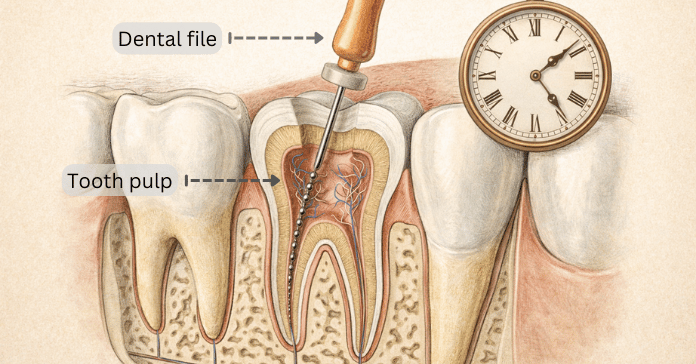
A root canal procedure is a dental procedure that involves removing infected pulp from inside the root of the tooth and cleaning the space thoroughly. The dentist removes the infected tissue, disinfects the canals, and ensures the inside of the tooth is dry and free of saliva. Once cleaned, the canals are filled and sealed to prevent bacteria from entering again. This endodontic treatment is a safe and effective way to save your natural tooth rather than choosing extraction. Root canal treatment enables you to preserve your natural teeth while alleviating pain and preventing infection.
How Long Does a Root Canal Take on Average?
How long a root canal takes on average depends on the tooth being treated and the severity of infection. Most routine root canals are completed in one visit, usually lasting 30 to 60 minutes for teeth with simple anatomy. Molars and more complex cases often take longer, up to 90 minutes, because they have multiple canals and are harder to access. In some situations, a root canal may require more than one appointment, especially if there is significant infection, swelling, or damage that needs time to heal between visits. After examining the tooth, your dentist or endodontist will explain whether your root canal can be done in one visit or if multiple visits are recommended.
Why You May Need a Root Canal Treatment?
A tooth may require root canal treatment when damage or infection reaches the inner pulp and causes ongoing problems. These issues often develop quietly and worsen if left untreated, making early care important.
- Deep Tooth Decay: Decay can reach the infected pulp and cause pain or sensitivity inside the tooth.
- Infected Tooth: Bacteria may enter through cracks or cavities, causing a dental abscess.
- Tooth Trauma: Injury to the crown of your tooth can damage the inner tissue even without visible cracks.
- Severe Tooth Pain: Persistent tooth pain often signals damage inside the root of the tooth.
- Infection Left Untreated: An untreated infection can spread and require more invasive procedure options.
- Cracked or Damaged Tooth: A root canal for cracked tooth cases helps relieve pain.

How Long Does a Root Canal Take, Depending on the Tooth
How long a root canal takes also depends on which tooth requires treatment. Front teeth and premolars usually have one or two roots, making them faster to treat. Molars contain more canals and complex anatomy, which increases the duration of a root canal. The part of the tooth being treated and the extent of infection both influence how long a root canal takes. Your dental specialist will consider tooth type when planning your treatment.
Single-Root Teeth and Simple Root Canals
Single-root teeth, such as front teeth, are often treated quickly because their anatomy is straightforward. These simple root canals usually involve one canal and minimal curvature. Many are completed in a single visit and may take an hour or less. Because the procedure is less complex, it is often considered a minimally invasive procedure. Patients often return to normal activities shortly after treatment.
Molars and Complex Root Canal Cases
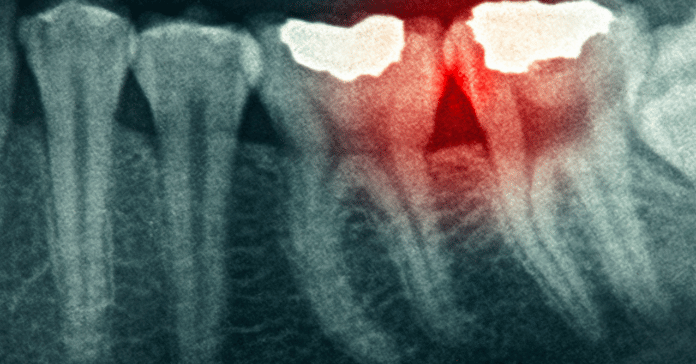
Molars and complex cases require more time due to multiple narrow or curved canals. Molars can take 90 minutes or longer because dentists must clean and shape each canal carefully. In some cases, one or two appointments are needed if the infection is severe. Root canal treatment on molars requires precision to ensure all infected areas are removed. These cases highlight why duration varies depending on the complexity of the tooth.
Factors That Affect How Long a Root Canal Takes
Several clinical factors influence the duration of a root canal and help determine the overall treatment plan. Your dentist or endodontist may consider the following before starting treatment:
- Severity of Infection: A tooth that has become deeply infected may take longer to clean fully.
- Tooth Anatomy: Teeth with one or two roots are faster to treat than those with complex canals.
- Dental Specialist Involvement: A dentist or endodontist may adjust treatment time based on expertise.
- Condition of the Tooth: Damage to the tooth structure can increase treatment difficulty.
- Need for Multiple Visits: Some cases require one or two appointments for proper healing.
Does Root Canal Treatment Hurt?
Many patients worry that a root canal is painful, but modern dentistry focuses on comfort. Local anesthesia and a local anesthetic numb the area, so pain during the procedure is minimal. Most people feel pressure rather than pain while the dentist works. Mild discomfort afterward is common and usually short-lived. Root canal treatment is designed to provide pain relief, not cause it.
Step-by-Step Root Canal Procedure Timeline
The duration of a root canal includes several carefully planned steps that ensure success. From preparation to sealing, each stage plays a role in eliminating infection. The process involves removing damaged tissue, disinfecting the canals, and protecting the tooth. Understanding these steps helps explain exactly how long a root canal takes. Each phase contributes to saving your natural tooth.
Numbing the Area and Preparing the Tooth
The dentist begins by applying local anesthesia to numb the area around the affected tooth. This ensures patient comfort throughout the dental procedure. The tooth is isolated with a dental dam to keep it dry and free of saliva. Preparation allows the dentist to work safely and accurately. This step sets the foundation for effective treatment.
Removing the Infection Inside the Tooth
The dentist then creates a small opening to access the infected pulp. This step involves removing infected tissue from the inside of the tooth and cleaning the canals thoroughly. The complexity of this stage affects how long a root canal takes. Infected or curved canals require more time to clean properly. This step removes the source of pain and infection.
Filling and Sealing the Root Canals
After cleaning, the canals are filled and sealed with a biocompatible material. This prevents bacteria from reentering and causing root canal failure. A permanent filling or crown may be placed during the same visit or at a later appointment. Proper sealing restores strength to the tooth. This final step completes the endodontic treatment.

Can a Root Canal Be Completed in One Visit?
Many root canals are completed in a single visit, especially when the infection is mild. Simple cases with minimal damage often allow treatment to be completed in a single visit. More severe infections may require one or two appointments to ensure proper healing. Your dentist or endodontist may recommend multiple visits based on your treatment options. The goal is always long-term success and comfort.
What Happens After the Root Canal Procedure?
After the procedure, most patients experience mild discomfort rather than severe pain. You can usually return to normal activities the same day. Over-the-counter pain medication helps manage temporary soreness. A temporary filling may be placed until a permanent filling or crown is added. Follow-up visits ensure the tooth heals properly.
How Long Does a Root Canal Take to Heal Completely?
The procedure time and healing time are different aspects of recovery. While the dental procedure may take an hour, healing occurs over several days. Most patients resume normal chewing once a dental crown or permanent filling is placed. Pain relief after root canal treatment often begins within days. Full healing supports long-term tooth function.
How to Care for Your Teeth After a Root Canal?
Proper care after treatment helps protect the restored tooth and surrounding tissues. Following good habits reduces the risk of future issues.
- Maintain Oral Hygiene: Brushing and flossing keep bacteria away from treated teeth.
- Attend Regular Dental Check-Ups: Routine visits help monitor the treated tooth.
- Avoid Chewing Hard Foods Initially: This protects the affected tooth during healing.
- Complete Final Restoration: A permanent filling or crown strengthens the tooth.
- Monitor Symptoms: Paying attention to discomfort helps catch problems early.
When to Contact Your Dentist or Endodontist?
You should contact your dentist if pain persists beyond a few days or worsens. Swelling, fever, or severe discomfort may indicate complications. Root canal pain after 3 days should gradually improve, not intensify. Early communication helps prevent further damage. Your dental office can guide you on the next steps for safe recovery.
Conclusion
Understanding how long a root canal takes can make a big difference in how confident you feel about treatment. As this guide explains, most root canal procedures are straightforward and completed in a single visit, especially when only one root canal is involved.
Treatment time depends on the tooth, the number of canals, and the level of infection, but modern techniques allow dentists to clean and seal the tooth efficiently while protecting your natural tooth structure.
It’s also important to address a common concern: Is a root canal painful? Thanks to local anesthesia and improved dental technology, most patients feel little to no pain during the procedure and only mild soreness afterward. In fact, a root canal is designed to relieve pain caused by infection, not create it. With proper care and follow-up, healing is typically smooth, and normal activities can often be resumed the same day.
Finally, remember that a root canal can still be successful long term when you follow good oral hygiene habits and complete the final restoration, such as a crown if recommended. Brushing, flossing, and regular dental checkups help protect the treated tooth and prevent future problems. If you have symptoms or suspect you may need treatment, don’t wait—contact your dentist to get clear answers, timely care, and peace of mind about your oral health.
