When it comes to orthodontic treatment, choosing braces colors can make your smile journey more exciting and personal. Braces aren’t just about straightening teeth; they also allow you to express your personality through color. From bold shades like red and green to subtle hues that make your teeth look whiter, the color of your braces can reflect your mood, season, or favorite team.
Whether you want to celebrate a holiday, match your school colors, or find the best braces colors that make your smile shine, there are plenty of choices available. Understanding how to use a braces color wheel or braces color picker can help you decide which shades will complement your skin tone and make your teeth look their best.
In this blog post, we’ll walk you through how to choose braces colors, popular color combinations, and expert tips to keep your smile bright and stylish throughout your orthodontic treatment.
What Are Braces Colors?
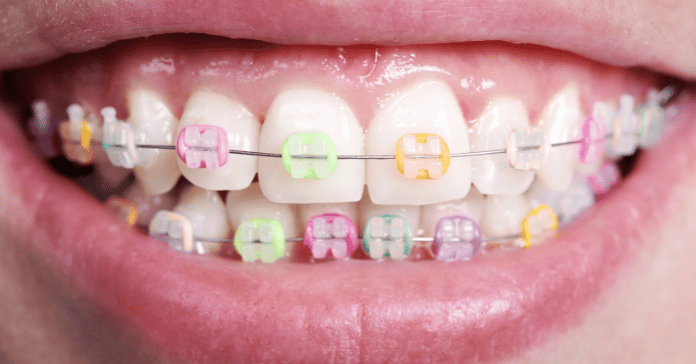
Dental braces colors refer to the small elastic ties, also known as orthodontic ties or rubber bands, that hold the archwire onto the brackets during orthodontic treatment. These elastics come in a wide range of color options, from subtle neutral tones to bright, bold shades, allowing patients to personalize their braces and express their style. Whether you prefer dark blue, purple, or clear ties, braces colors add an element of fun to your orthodontic journey.
Orthodontic practices now offer color braces, charts, or color wheels so you can see all available shades before making a choice. Some patients like to change their braces’ color to match their favorite sports team, celebrate an upcoming holiday, or simply find shades that complement their skin tone. With so many choices, braces colors let you turn your orthodontic treatment into something uniquely yours.

Why Orthodontic Color Choices Matter?
The color of your braces can make a big difference in how confident you feel during your orthodontic treatment. Choosing the right shades can enhance your smile aesthetics, complement your personality, and make the process of straightening your teeth more enjoyable. By personalizing your braces for teeth crowding, you transform them from a medical necessity into a fun form of self-expression that reflects your individuality and creativity.
How Often Can You Change Your Braces Color?
Most orthodontists allow patients to change their braces’ colors at each adjustment appointment, which typically happens every 4-8 weeks. This means you can refresh your look regularly and try new shades as your treatment progresses. Some people use each appointment as a chance to explore seasonal themes or match their outfits, while others enjoy experimenting with fun combinations.
Changing your braces colors frequently also helps you keep your look exciting throughout your braces treatment. Whether you want bright colors for summer or darker hues for winter, switching shades gives you flexibility and a renewed sense of excitement each time you visit your orthodontist.

Best Braces Colors for Your Smile
Choosing the best color for your braces depends on your skin tone, tooth shade, and personal style. Darker colors, such as navy blue, maroon, or deep purple, tend to make teeth look whiter, while lighter shades may highlight discoloration. If you want a professional or subtle look, consider neutral tones like silver, gray, or clear ties. Avoid colors that clash with your complexion or make your teeth appear yellow.

Colors That Make Teeth Look Whiter
If your goal is to make your teeth appear brighter, opt for braces colors that create contrast against your natural enamel. Shades like dark blue, purple, black, and deep green enhance the whiteness of your teeth by emphasizing brightness through contrast. These shades also work well for both lighter and darker skin tones and can add a clean, confident touch to your smile.
Colors to Avoid if You Want Whiter Teeth
Some colors can have the opposite effect and make your teeth look dull or stained. Yellow, white, or clear bands may easily pick up food stains or discoloration over time, causing your teeth to appear darker. Pale green or beige ties can also create the illusion of plaque buildup. Choosing the right shade helps ensure your smile stays fresh and bright between appointments.
Braces Color Combinations
Braces color combinations are a fun way to personalize your smile and keep your look exciting. You can choose two colors that complement each other, such as pink and purple for a playful vibe, or blue and silver for a cooler, modern tone. Many orthodontic practices offer creative pairing options to help you match your braces to your favorite outfits, hobbies, or seasons.
Holiday and Seasonal Braces Colors
Changing your braces colors for holidays is a great way to celebrate and have fun with your orthodontic journey. For example, orange and black are perfect for Halloween, red and green work well for Christmas, and pastel shades like lavender or mint green fit beautifully for springtime. These seasonal touches make wearing braces more enjoyable and festive.
Matching Your School or Team Colors
Many patients love to show school spirit or support their favorite sports team through their braces colors. You can choose your school’s official colors or your team’s logo shades, such as blue and gold, red and white, or green and silver, to show pride every time you smile. It’s an easy and creative way to make your braces a conversation starter.
Choosing Braces Colors Based on Skin Tone
Your skin tone plays an important role in how braces colors look on you. The right shade can enhance your smile and highlight your natural features, while the wrong one might clash or appear dull. Selecting colors that complement your skin tone ensures your braces look flattering and stylish throughout your orthodontic treatment.
Best Braces Colors for Lighter Skin
For lighter skin tones, soft or cool tones tend to look most natural and appealing. Try light pink, sky blue, silver, or lilac for a fresh and subtle appearance. These shades create balance without overpowering your complexion and make your teeth look clean and polished.
Best Braces Colors for Darker Skin
If you have a darker skin tone, bold and vibrant colors can really stand out. Options like turquoise, navy, deep green, or even bright red enhance contrast and bring warmth to your smile. These shades not only complement darker skin beautifully but also give a confident and energetic look.
Using a Braces Color Picker or Color Wheel
A braces color picker or digital color wheel is a great tool for visualizing how different shades will look before your next orthodontic visit. Many orthodontists or dental websites offer online braces color pickers where you can test various combinations. This makes it easier to plan your next color change and find shades that suit your personality, skin tone, and upcoming events.
Tips for Choosing the Best Braces Colors
Picking the perfect braces colors goes beyond just personal preference. Keep these practical tips in mind:
- Consider Your Skin Tone: Choose colors that complement your natural complexion for a balanced look.
- Think About Your Wardrobe: Pick shades that match your most-worn outfits for everyday harmony.
- Reflect Your Personality: Go bold with bright colors if you love standing out, or choose muted tones for a professional look.
- Match Eye or Hair Color: Coordinating braces with your eyes or hair creates a natural, unified appearance.
- Plan for Special Events: Choose colors that fit upcoming holidays, parties, or school activities.
- Ask for a Sample Chart: Most orthodontists have braces rubber band color charts that help you see what shades work best for you.
Common Mistakes to Avoid When Choosing Braces Colors
One common mistake is choosing colors that stain easily, such as white or yellow ties. These may discolor quickly from foods and drinks like coffee, curry, or tomato sauce, making your smile appear less clean. Bright neon shades may also draw too much attention to your braces instead of your smile.
Another mistake is not considering how colors interact with your teeth shade or skin tone. A color that looks fun on the chart might not be flattering in real life. Always test or visualize your choice using a braces tie color picker before committing to it.
Can You Change Your Braces Color Anytime?
You can only change your braces color during your scheduled orthodontic appointments. The elastics are replaced when your orthodontist adjusts your wires or brackets, typically every few weeks. Because these ties are part of your orthodontic system, it’s not safe to try to change them at home between visits.
Personalizing Your Braces Throughout Treatment
Your braces treatment is a journey, and adding color is a fun way to make it more personal. Changing your braces colors to match holidays, special occasions, or your mood keeps the experience lively. You can celebrate birthdays, show team pride, or even coordinate with your friends for matching looks.
Beyond appearance, personalizing your braces builds excitement and helps you stay motivated through the orthodontic process. Each color change becomes a milestone that reminds you of your progress toward a straighter smile.
Maintaining Clean and Bright Braces
Keeping your braces clean helps keep your colors fresh and your teeth healthy. Poor oral hygiene can cause discoloration, plaque buildup, or fading of your rubber bands. To maintain your braces’ appearance and hygiene, follow these tips:
- Brush After Every Meal: Clean around brackets and wires to remove food particles that can stain.
- Use an Interdental Brush: Reach tight spaces around elastics and brackets for a deeper clean.
- Rinse with Mouthwash: Helps prevent bacteria buildup and keeps your breath fresh.
- Avoid Staining Foods: Limit coffee, tea, curry, and dark sauces that discolor bands.
- Regular Orthodontic Visits: Ensure your orthodontist promptly replaces stained or worn-out ties.
Conclusion
Choosing the right braces’ rubber band colors is more than just a fun decision; it’s an opportunity to express your personality while enhancing your smile throughout orthodontic treatment. From subtle neutrals to bold shades, the color of your elastic bands can complement your skin tone, highlight your teeth, and even match your favorite season or event. Whether you prefer dark colors that make your teeth look whiter or bright combinations that show your creative side, understanding how colors work helps you feel confident and stylish during every phase of your orthodontic journey.
By exploring tools like a braces color wheel or braces color picker, you can easily experiment with options and find the shades that best suit your look. Avoid colors that stain easily, and remember to maintain good oral hygiene to keep your braces clean and vibrant. Regularly changing your colors at adjustment visits allows you to personalize your braces and make each appointment something to look forward to.
Your orthodontic treatment is a journey toward a healthier, more beautiful smile, and the right colors can make that journey uniquely yours. If you’re unsure which shades to choose, talk with your orthodontist for professional advice. They can help you select cute braces colors or neutral tones that enhance your appearance and make your braces treatment as enjoyable as it is effective.
