A bright, confident smile is something many people dream of, but chipped teeth, stains, or minor imperfections can make us self-conscious. Thanks to modern cosmetic dentistry, improving the appearance of your teeth doesn’t always require complex or costly treatments. One of the most popular and affordable solutions is composite resin veneers, a minimally invasive option that can transform your smile in just one dental visit. In this blog post, we will explore the primary benefits of composite veneers, the step-by-step procedure, the longevity of these veneers, and how to maintain them for a lasting, natural appearance.
What Are Dental Veneers?
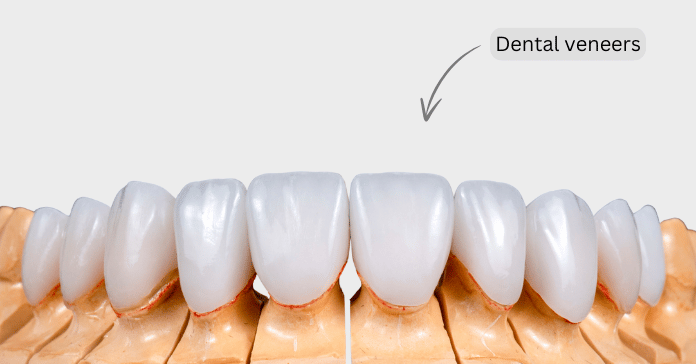
Dental veneers are thin, custom-made shells that a dentist places on the front of your teeth to improve their shape, color, and overall appearance. Veneers are made from tooth-colored materials, such as composite resin or porcelain, which blend naturally with your smile. Composite resin veneers are often chosen because they are more affordable and require less removal of enamel, while porcelain veneers are known for their durability and natural look.
Unlike porcelain tooth crowns, which cover the whole tooth, veneers only cover the front surface, making them a more conservative option. They can be used to restore chipped, stained, or misshapen teeth and are often chosen by patients who want to improve the appearance of their anterior teeth without removing too much of the natural tooth structure. This makes composite resin veneers a popular choice in restorative dentistry for people who feel self-conscious about their smile and want a natural-looking, minimally invasive solution.
Types of Veneers in Cosmetic Dentistry
When it comes to improving the appearance of your smile, veneers are thin shells designed to cover the front surface of teeth. Dentists usually recommend one of two main types, depending on your needs and goals.
- Composite Resin Veneers: These are made from a tooth-colored material that the dentist applies directly to your tooth. Composite veneers are often chosen because they are affordable, can be placed in one visit, and involve minimal preparation. They are the right option if you want a quick fix for chips, stains, or small gaps. Composite resin veneers can last at least 5 years with proper care, making them a good choice if you feel self-conscious about your smile and want an immediate improvement.
- Porcelain Veneers: These veneers are fabricated in a dental lab and later bonded to your teeth. They are more durable than resin-based composite veneers and resist stains much better. Porcelain veneers require at least two visits and some enamel removal, but they usually last between 10–15 years. They are recommended if you want a more natural finish, stronger coverage, and a longer-lasting solution to improve the appearance of your teeth.
Both types of veneers are designed to restore the look of your anterior teeth and boost your confidence. Your dentist will guide you on whether porcelain or composite veneers are the right choice for your smile.
Benefits of Composite Resin Veneers
Composite resin veneers offer several advantages that make them a popular choice for people who want to improve their smile.
- Minimally Invasive Treatment: Composite resin veneers require little to no removal of your natural tooth structure.
- Same-Day Procedure (Direct Method): Unlike porcelain veneers that need lab work, direct composite veneers can be applied and shaped in one dental visit. You can walk in with stained teeth or imperfect teeth and leave with a transformed smile the same day.
- Cost-Effective Option: Composite resin veneers are cheaper than porcelain veneers, making them an affordable solution for people who want to improve the appearance of their teeth without a high price tag.
- Natural-Looking Results: The composite resin material is made from a tooth-colored resin that blends seamlessly with your natural teeth. This ensures a natural-looking smile, especially for those who feel self-conscious about their smile.
- Easy to Repair and Replace: If the veneers chip, crack, or need to be replaced, the dentist can repair them quickly by adding new composite material directly onto your teeth. This makes maintenance easier compared to porcelain.
- Versatile Solution for Imperfect Teeth: Composite resin veneers can be used to fix a wide range of problems, such as crooked teeth, overlapping teeth, chipped edges, or gaps. They act like thin shells placed over the imperfect teeth to improve both function and appearance.
The Composite Resin Veneers Procedure Step by Step
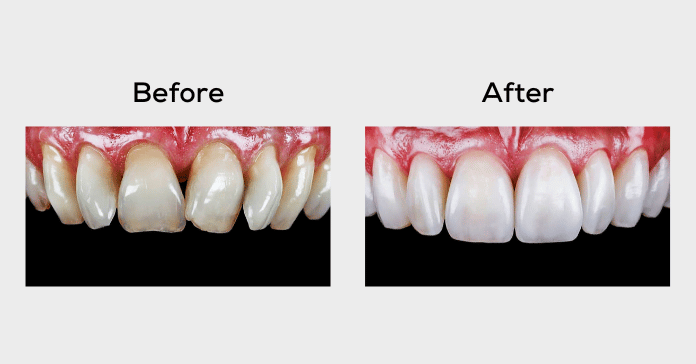
The process of getting composite resin veneers depends on whether your dentist uses the direct or indirect technique. In both methods, the goal is to design thin shells of resin that improve the appearance of your teeth and give you a natural smile. First, the dentist gently prepares the surface of your teeth to help the material bond well. Then, a dental composite resin is applied, shaped, and polished until the desired look is achieved.
Direct Composite Resin Veneers
With the direct technique, the dentist applies the resin directly onto your teeth in a single visit. The resin is carefully layered, shaped, and hardened with a special light. Since this method involves minimal preparation and no impressions, patients can walk out of the office with a new smile in just one appointment. Direct composite restorations are often chosen when you want a quick, cost-effective solution to cover chips, discoloration, or gaps.
Indirect Composite Resin Veneers
The indirect technique takes a little longer but gives a stronger and longer-lasting result. Here, the dentist first takes impressions of your teeth after minor preparation. A dental lab then fabricates custom veneers outside the mouth. At your next appointment, these resin-based composite veneers are bonded to your teeth with adhesive. Because they are fabricated separately, indirect veneers are more durable and resist staining better, making them a good alternative to porcelain for patients who want a balance between cost, appearance, and strength.

Drawbacks of Composite Veneers
While many people choose to get composite veneers because they are affordable and quick to apply, it’s also important to understand their limitations compared to porcelain or ceramic veneers.
- Shorter Lifespan: Composite veneers usually last between 5–7 years, while porcelain veneers can last between 10-15 years or more. This means you may need replacements or repairs more often.
- Less Stain Resistance: The resin material used for composite veneers is more likely to pick up stains from coffee, tea, or smoking. Teeth whitening treatments do not work on veneers, so stained veneers may need polishing or replacement.
- Weaker Durability: Composite veneers are made from resin that is not as strong as ceramic. They are more likely to chip, crack, or wear down, especially if you grind your teeth or bite hard objects.
- Limited Aesthetics: Although they improve the appearance of teeth, composite veneers are often less natural-looking than porcelain. They may not reflect light in the same way, making them slightly less lifelike.
- More Maintenance: Composite veneers require regular polishing and careful maintenance to keep them looking smooth and shiny. Without proper care, their appearance can dull over time.
How Long Do Composite Veneers Last?
Composite resin veneers usually last 5 to 7 years, though with excellent care, they can sometimes last a little longer. Their lifespan depends on several factors, including your oral hygiene routine, eating habits, and whether you grind or clench your teeth. Because composite resin is a softer material than porcelain, it is more likely to chip or stain over time. However, the big advantage is that composite veneers are easier and cheaper to repair if they get damaged.
By comparison, porcelain veneers typically last 10 to 15 years and are more resistant to staining, but they require more tooth preparation and cost more to replace. If you take good care of your oral health by brushing, flossing, avoiding hard foods, and visiting your dentist regularly, your smile with composite resin veneers can stay beautiful for many years.
Composite vs. Porcelain Veneers
When comparing composite resin veneers to porcelain veneers, the main differences come down to cost, durability, appearance, and procedure. Composite laminate veneers are generally more affordable, and the dentist directly applies the material to your teeth in one visit, making them a faster option. Porcelain veneers, on the other hand, require more steps, as they are designed in a lab before being bonded, which makes the application of the veneers more expensive and time-consuming.
In terms of strength, porcelain veneers last longer and resist stains better, while composite veneers can be placed quickly but may need replacement after about five to seven years.
Appearance also plays a role; porcelain veneers often look more natural and translucent, while composite restorations can be shaped beautifully by the dentist but may lose polish over time. Choosing between them depends on your budget, the number of veneers you need, and whether you prefer a quicker procedure or a longer-lasting result.
Caring for Composite Resin Veneers
Taking care of your veneers is simple, but it requires consistency. Good oral hygiene and healthy habits can make your veneers last between 5 to 7 years or even longer. Here are some important tips to follow:
- Brush and Floss Daily: Brush your teeth twice a day with a soft-bristle toothbrush and fluoride toothpaste. Floss carefully to remove food particles and plaque around the veneers and natural teeth.
- Avoid Staining Habits: Limit coffee, tea, red wine, and tobacco smoking. These can discolor composite veneers, making them lose their shine.
- Protect from Damage: Don’t bite hard objects like ice, pens, or your nails. These habits can chip or crack the veneers applied by your dentist directly on your tooth.
- Wear a Night Guard if Needed: If you grind or clench your teeth, ask your dentist about a night guard. It protects both veneers and natural teeth from unnecessary wear.
- Visit Your Dentist Regularly: Schedule check-ups every six months. Regular visits to the dentist help maintain veneers, polish their surface, and catch any problems early.
- Maintain Healthy Gums: Healthy gums support your veneers and natural teeth. Use gentle brushing and regular flossing to prevent gum problems that could affect your smile.
By following these steps, you can keep your composite veneers looking bright, natural, and functional for many years.
Conclusion
A beautiful smile is more achievable than ever, and composite resin veneers make it possible without long procedures or high costs. They are minimally invasive, quick to apply, and versatile enough to cover chips, stains, small gaps, or irregular shapes. Whether designed by the dentist directly in one visit or created indirectly for added strength, composite veneers offer a practical solution for restoring the appearance of anterior teeth.
While porcelain may last longer and resist stains better, composite resin veneers remain a popular choice for patients who want natural-looking results with easier maintenance and a more affordable price. Knowing both the benefits and drawbacks allows you to make an informed decision about the restoration of anterior teeth and improve your confidence with a brighter smile.
If you are considering veneers, consult your dentist to explore whether direct and indirect composite veneers are right for you. With proper care and regular dental visits, these restorations can last for years and keep your smile looking its best. Taking this step not only enhances your appearance but also boosts your overall oral health, so you can enjoy the confidence that comes with a healthy, radiant smile.
