Composite veneers have become one of the most popular cosmetic dental treatments for improving the appearance of teeth with chips, discoloration, gaps, or uneven edges. Made of a composite resin material, these veneers are thin shells applied directly to your teeth, allowing the dentist to reshape the surface with minimal tooth structure removal. Many patients choose this option because composite veneers are often more affordable, customizable, and easier to repair compared to porcelain alternatives.
In cosmetic dental care, composite resin veneers offer a flexible approach to smile enhancement. Direct and indirect composite veneers can correct the appearance of teeth by covering imperfections, adjusting shape, and enhancing symmetry. The dental procedure varies depending on the type of composite veneer, whether it is crafted by hand in the dental clinic or created in a dental lab before bonding. Understanding these options helps patients choose the right treatment for their needs.
As you explore how dental veneers are made, applied, and maintained, it’s important to understand the differences between composite and porcelain veneers, how long composite veneers typically last, and the factors that influence cost and durability. In this blog post, you’ll find a structured guide covering types of veneers, benefits, disadvantages, care tips, and comparisons to other cosmetic dental procedures.
What Are Composite Veneers?
Composite veneers are thin, custom-shaped shells made from composite resin that are applied directly onto your teeth to improve their shape, color, and overall appearance. These veneers are created from the same composite material used in cosmetic bonding, allowing dentists to sculpt and refine each veneer chairside for natural-looking results. Because they are applied directly onto the surface of your teeth, they require little to no enamel removal compared to other types of dental veneers.
Composite veneers offer a conservative and affordable way to enhance your smile while maintaining as many of your natural teeth as possible. In many cases, veneers can be done in a single visit, making them a convenient option for patients seeking immediate cosmetic improvement.
Types of Composite Veneers
There are two main types of composite veneers, and each is created using a different method depending on the patient’s needs and treatment goals:
- Direct Composite Veneers: Made chairside from composite resin and applied directly to the teeth during one appointment.
- Indirect Composite Veneers: Created in a dental laboratory as custom veneers and later bonded onto your teeth for enhanced durability.
Direct Composite Veneers Using Composite Resin
Direct composite veneers are applied chairside using a high-quality direct composite resin that the dentist sculpts directly onto your teeth. During this single appointment, the dentist layers the composite, shapes it to match your natural smile, and cures each layer with a special light. This approach allows for immediate results and gives the dentist full control over the final appearance of the veneers.
Direct composite veneers are applied in one visit, making them ideal for patients seeking fast cosmetic improvements. Once polished, the veneers blend seamlessly with your natural teeth and provide a smooth, attractive finish.
Indirect Composite Veneers Made in a Dental Lab
Indirect composite veneers are custom-made in a dental laboratory using composite laminate veneers designed for improved durability and accuracy. After your teeth are prepared, the dentist may place temporary veneers while the lab fabricates your final set of veneers. These veneers are custom-made to match your enamel shade, tooth shape, and smile design before being bonded onto your teeth.
Many patients worry that temporary veneers look awful, but the final results are usually much better. Once the permanent veneers are ready, the dentist uses special adhesives to secure them in place and make final adjustments for a natural finish. Because they are fabricated in a dental lab and then bonded, indirect veneers offer improved strength compared to chairside versions.
Composite Veneers vs Porcelain Veneers
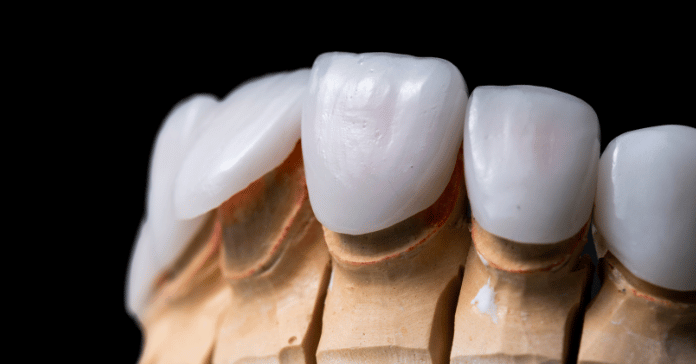
Composite veneers offer a more affordable and conservative option compared to porcelain veneers, particularly for patients looking for quick improvements. They are designed using direct composite resin or hybrid composite materials that allow for same-day placement without significant enamel reduction. They provide a natural result, though they may not match the translucency and shine of porcelain veneers.
Resin-based veneers can be easily repaired if they chip, and the overall cost of composite veneers is generally lower, making them a practical choice for many patients. Because veneers are applied directly, future changes are easier and reversible in many cases.
Porcelain veneers, on the other hand, typically provide superior appearance, durability, and stain resistance. These veneers are custom-made in a dental laboratory from high-strength ceramic veneers that mimic the natural translucency of enamel. Porcelain veneers typically last longer and offer a more polished, highly aesthetic result, though they require more tooth preparation. A set of porcelain veneers may also cost more due to the fabrication and material quality. Unlike resin veneers, porcelain veneers don’t require frequent repairs, making them a longer-term cosmetic investment.
Advantages of Composite Veneers
Composite veneers offer many benefits that make them a popular choice for cosmetic dental treatment:
- Minimal Enamel Removal: Composite veneers require very little modification of the surface of your teeth, preserving natural tooth structure.
- Same-Day Treatment: Direct composite veneers can be applied in a single visit, giving you an immediate cosmetic result.
- Easy Repairs: Composite veneers can be easily repaired if they chip, unlike porcelain veneers, which often need replacement.
- Lower Cost: The cost of composite veneers is generally more affordable compared to porcelain veneers, making them accessible to more patients.
- Reversible Option: Because they are no-prep veneers or low-prep in many cases, resin veneers offer a reversible or minimally invasive alternative.
- Custom Shaping: Dentists can adjust the shape, size, and shade chairside to match the appearance of your teeth exactly.
Disadvantages of Composite Veneers
Despite their advantages, composite veneers come with several limitations that patients should consider:
- Shorter Lifespan: They may last around 5 to 7 years, which is shorter than the lifespan of traditional porcelain veneers.
- Staining Risk: Composite veneers can stain over time, especially with coffee, tea, tobacco, or dark-colored foods.
- Maintenance Requirements: These veneers require regular polishing and maintenance to keep your veneers looking their best.
- Less Durable: Composite material is not as strong as ceramic veneers, making them more prone to wear or chipping.
- Appearance Differences: They may not have the same level of translucency or shine as porcelain veneers.
- Frequent Touch-Ups: Because they are applied directly, resin-based veneers may need more adjustments over time.
How Long Do Composite Veneers Last?
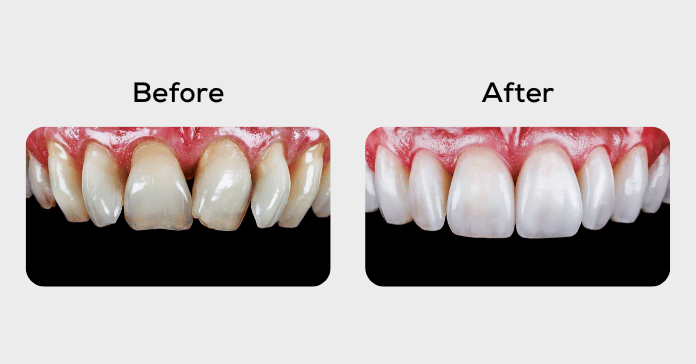
Composite veneers typically last about 5 to 7 years, depending on the composite material used, your oral habits, and the overall quality of the dental work. While they don’t last as long as porcelain veneers, composite veneers can provide excellent cosmetic improvement when maintained properly. Their longevity depends on how well you care for your composite veneers, including daily brushing, flossing, and avoiding habits that may damage them. Composite veneers can vary in durability based on whether they are direct or indirect composite veneers. With proper care, many patients enjoy long-lasting results before needing new veneers or replacement.
What Affects Their Lifespan?
Several factors influence how long composite veneers last:
- Oral Habits: Teeth grinding, nail biting, or chewing ice can reduce the lifespan of your veneers.
- Dental Work Quality: The skill of the dentist and the precision of the application of the veneers impact durability.
- Composite Material Type: High-quality hybrid composite materials generally last longer.
- Number of Veneers Needed: A larger number of veneers may distribute biting forces more evenly, improving longevity.
- Diet and Staining Exposure: Dark beverages and smoking may stain your veneers and reduce their lifespan.
What is Composite Bonding?
Composite bonding and composite veneers both use composite resin, but they serve different purposes in cosmetic dentistry. Composite bonding focuses on repairing small chips, cracks, or gaps, while composite veneers are designed to cover the entire front surface of your teeth for a complete smile makeover.
Veneers cover more of the tooth, offer enhanced shaping options, and provide a more uniform and aesthetically refined result. Composite bonding is ideal for minor cosmetic concerns, whereas composite veneers are a better option for patients who want broader cosmetic improvements. Your dentist will recommend the right treatment based on the appearance of your teeth and your long-term goals.
How Do Dentists Prepare and Apply Composite Resin Veneers?
The process of applying dental veneers begins with minimal tooth preparation, often requiring only slight reshaping of the enamel to ensure proper bonding. Once the teeth are prepared, the dentist selects a shade that matches your natural teeth and begins applying the composite material.
The composite veneers are applied directly or placed once custom veneers are ready, depending on whether you choose direct or indirect treatment. Each layer of composite is shaped, smoothed, and light-cured to build a natural contour. This careful layering technique helps ensure that the veneers stay in place securely.
Next, the dentist adjusts the veneers to match your bite and the appearance of your teeth, refining the final shape and contours. After curing the composite fully, the veneers are polished to mimic the smooth texture of enamel and create a natural shine.
Final checks ensure that your veneers fit comfortably and look balanced with your smile. The application of the veneers is completed with finishing touches that make your veneers blend seamlessly with your natural teeth. With proper placement and skilled technique, composite veneers work well for enhancing your smile with minimal invasiveness.
Caring for Your Dental Veneers
Proper care helps keep your veneers in excellent condition and supports the long-term success of your treatment:
- Avoid Stain-Causing Habits: Reduce coffee, tea, red wine, and smoking to avoid staining your veneers.
- Brush and Floss Daily: Good oral hygiene keeps your veneers and natural teeth healthy.
- Schedule Regular Dental Check-Ups: Visits allow your dentist to polish your veneers and check for early wear.
- Avoid Hard Biting: Don’t chew hard objects like ice or pens that may chip your veneers.
- Use a Mouthguard: If you grind your teeth, a nightguard helps protect your dental veneers.
- Maintain Gentle Care: Avoid abrasive toothpaste that may damage the surface of the veneers.
Conclusion
Composite veneers provide an accessible and versatile way to enhance your smile, especially if you want quick improvements with minimal enamel removal. Throughout this guide, we explored how these composite veneers are thin shells that can be shaped directly onto the teeth or crafted in a dental lab for added durability. Their benefits include affordability, repairability, and a conservative approach to cosmetic dentistry. Whether you’re comparing them to porcelain veneers or simply looking for a subtle makeover, understanding how dental veneers last and what affects their longevity helps set realistic expectations.
When choosing between composite and porcelain veneers, it’s important to consider long-term durability, appearance, and overall maintenance. Porcelain veneers generally last longer, but composite veneers offer a cost-effective alternative, especially if you’re wondering how much composite veneers cost.
While composite veneers may require more frequent touch-ups than a ceramic dental crown or porcelain veneer, they still provide meaningful cosmetic improvement when cared for properly. Factors like oral habits, diet, and the quality of the dental work all play important roles in how long your veneers can last.
If you’re considering veneers, consult your dentist to review the veneers available and determine the best option for your smile goals. A professional evaluation will help you understand the benefits of composite veneers in comparison to porcelain veneers and ensure you choose a solution that suits both your appearance and your long-term oral health.
