Gum Disease (Periodontal Disease): Stages, Causes, & Treatment 

When most people think about dental problems, tooth decay usually comes to mind first, but gum disease is just as common, and potentially more serious if left untreated. Gum disease (also known as periodontal disease) is an infection of the gum tissue that supports your teeth. It can begin quietly with mild inflammation, known as gingivitis, and progress to a severe condition called periodontitis, which can cause tooth loss and bone loss around the teeth.

In its early stages, gum disease may cause only minor symptoms like bleeding gums while brushing or flossing. However, without proper oral hygiene and regular dental checkups, it can advance into a chronic infection that damages the tissue and bone supporting your teeth. Many people don’t realize that untreated gum inflammation can also be linked to heart disease, diabetes, and other health conditions.

In this blog post, you’ll learn about the stages of gum disease, its warning signs, and how professional gum disease treatment can help restore your oral health. We’ll also discuss prevention tips, home care habits, and when to see a gum specialist (periodontist) for advanced treatment.

What Is Gum Disease?

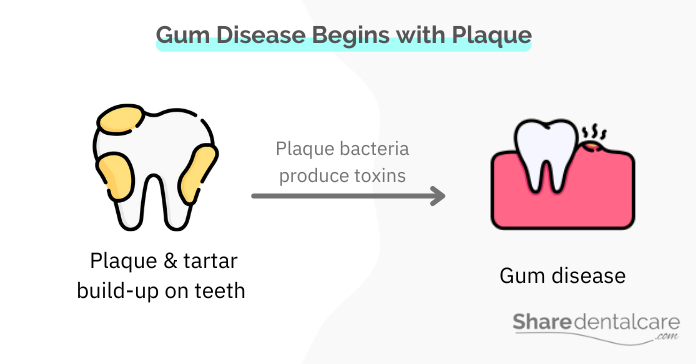
Gum disease, also known as periodontal disease, is an infection that affects the tissues surrounding and supporting your teeth, mainly the gums and the bone. It starts when bacteria that cause plaque stick to the teeth and gum line, forming a soft, sticky film. If not removed by brushing and flossing, this plaque hardens into tartar, leading to gum irritation and inflammation. Over time, this infection destroys the fibers that hold the teeth in place, affecting both the teeth and gum health.

The condition typically begins as gingivitis, a mild form of gum disease characterized by red, swollen gums that may bleed easily when you brush your teeth. Without treatment, gingivitis can progress to periodontitis, a more advanced stage where the gums pull away from the teeth, forming deep pockets that become infected. As the disease advances, bone and gum tissue are lost, which can eventually cause teeth to become loose or even fall out.

Stages of Gum Disease: From Gingivitis to Periodontitis

Gum disease progresses in stages, starting with mild gum inflammation (gingivitis) and advancing to severe tissue and bone destruction (periodontitis). In the early stage, the gums appear red and bleed easily due to plaque buildup. As the infection moves deeper below the gum line, it leads to advanced periodontitis, where the bone and connective tissues are severely damaged. Without treatment, this can lead to tooth loss and permanent damage to your oral structure.

Stage 1: Gingivitis (Early Gum Disease)

Gingivitis is the first stage of gum disease and the only one that is reversible. It begins when plaque and bacteria accumulate along the gum line, causing mild inflammation and bleeding during brushing or flossing. You may notice red, swollen gums or slight tenderness. At this stage, brushing twice a day, flossing daily, and visiting your dentist for a professional cleaning can restore your gums to health before any permanent damage occurs.

Dentist examining red and inflamed gums showing signs of gingivitis, an early gum disease
Red and swollen gums are common symptoms of gingivitis.

Stage 2: Periodontitis (Advanced Gum Disease)

When gingivitis is left untreated, it progresses to periodontitis, an advanced form of gum infection. Bacteria spread below the gum line, triggering the body’s immune response, which leads to tissue and bone loss around the teeth. The gums recede and pull away from the teeth, forming deep pockets filled with bacteria. As the disease worsens, teeth may become loose, and chewing may become painful. Early treatment by a dentist or periodontist can help control the infection and prevent further bone loss.

Common Causes of Gum Disease

Several factors can increase your risk of gum disease and weaken your gum health:

  • Plaque and Tartar Buildup: The main cause of gum disease. Plaque forms when bacteria stick to teeth and produce toxins that irritate the gums.
  • Poor Oral Hygiene: Skipping brushing and flossing allows plaque to harden into tartar, which cannot be removed without professional cleaning.
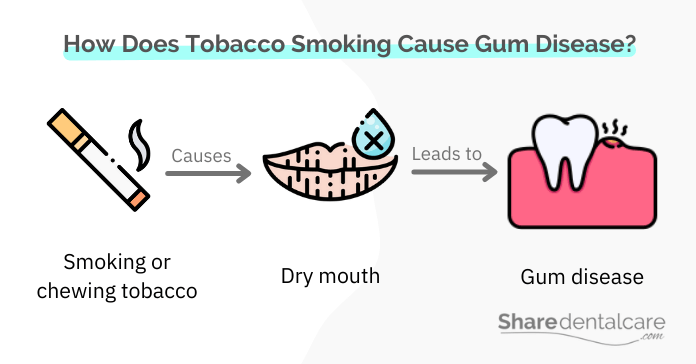
  • Smoking and Tobacco Use: Smoking weakens gum tissue and reduces blood flow, making it harder for gums to heal.
  • Hormonal Changes: Pregnancy, menstruation, or menopause can make gums more sensitive and prone to inflammation. Hormonal changes can lead to pregnancy gingivitis, causing swollen and bleeding gums.
  • Chronic Diseases: Conditions like diabetes or heart disease increase the risk of developing gum disease.
  • Certain Medications: Some medicines reduce saliva flow, which can lead to dry mouth and plaque buildup.
  • Genetic Factors: A family history of gum problems may make you more likely to develop periodontal disease.

Warning Signs and Symptoms of Gum Disease

Recognizing the signs of gum disease early helps prevent complications. Common symptoms include:

  • Swollen or Red Gums: Gum swelling is an early indication of inflammation and irritation.
  • Bleeding Gums: Gum bleeding while brushing or flossing is a warning sign of gingivitis.
  • Receding Gums: Gums that pull away from teeth expose the tooth root, making teeth look longer.
  • Persistent Bad Breath: Ongoing foul odor caused by bacterial buildup and infection.
  • Loose or Shifting Teeth: Weakening of the bone and gum support can make teeth move or feel unstable.
  • Pain When Chewing: Inflammation and infection in advanced stages may cause discomfort.
  • Pus Between Teeth and Gums: Indicates an active infection or gum abscess.
3D illustration showing gum recession caused by advanced periodontitis.
Gum recession exposes tooth roots and is a sign of advanced periodontitis.

How Gum Disease Affects Oral and Overall Health?

Gum disease doesn’t just impact your gums and teeth; it can affect your entire body. Studies show that bacteria from periodontal infections can enter the bloodstream, increasing the risk of systemic conditions such as coronary artery disease and stroke. The inflammation caused by gum disease may also worsen conditions like diabetes, as it makes blood sugar levels harder to control.

Furthermore, the Centers for Disease Control and Prevention (CDC) and the National Institute of Dental and Craniofacial Research have found that untreated gum disease is linked to respiratory infections, pregnancy complications, and weakened immune responses. Keeping your gums healthy isn’t just about a beautiful smile; it’s an essential part of maintaining your overall health.

Diagnosis: How Dentists Detect Gum Disease?

To diagnose gum disease, your dentist or periodontist will perform a thorough evaluation. They will measure the depth of your gum pockets using a periodontal probe and check for gum recession, bleeding, and tartar buildup. Dental X-rays help assess bone loss around the teeth. Early detection allows your dentist to create a treatment plan that fits your specific needs and prevents the disease from progressing to advanced stages.

Panoramic dental X-ray showing bone loss and gum disease around teeth.
A panoramic X-ray helps detect bone loss caused by gum disease.

Gum Disease Treatment Options

The treatment of gum disease depends on its severity. Mild forms like gingivitis can be treated with professional cleaning and better oral hygiene, while more severe forms may require surgical procedures to restore lost bone and gum tissue. The goal is to remove infection, reduce pocket depth, and help the gums reattach to the teeth.

Non-Surgical Treatment (Scaling and Root Planing)

In the early and moderate stages, your dentist may perform scaling and root planing, a deep-cleaning procedure that removes plaque and tartar from above and below the gum line. This treatment smooths the root surfaces, helping the gums heal and reattach to the teeth. Regular follow-ups and improved home care are essential to maintain results.

Surgical Treatment (Advanced Periodontitis Care)

For advanced gum disease, surgical intervention may be needed to restore gum and bone health:

  • Flap Surgery (Pocket Reduction Surgery): It allows direct access to deep tartar deposits and reshapes damaged bone. Also, it reduces deep gum pockets and removes bacteria for easier cleaning.
  • Gum Grafting: Replaces lost gum tissue to cover exposed roots and reduce sensitivity.
  • Bone Regeneration: Uses bone grafts or special membranes to help rebuild the bone destroyed by infection.

Home Care and Lifestyle Tips to Manage Gum Disease

Good home care plays a vital role in preventing and managing gum disease. Follow these daily habits:

  • Brush Twice a Day: Use a soft-bristled toothbrush and fluoride toothpaste to clean along the gum line.
  • Floss Daily: Removes plaque and food particles from between teeth where your brush can’t reach.
  • Use Antibacterial Mouthwash: Helps reduce bacteria that cause gum infection and plaque buildup.
  • Quit Smoking: Smoking is a major risk factor that slows healing and worsens gum problems.
  • Eat a Balanced Diet: Nutrients like vitamin C and calcium help strengthen gums and bones.
  • Visit Your Dentist Regularly: Professional cleanings every six months help detect problems early.

Prevention: How to Keep Your Gums Healthy

Gum disease is a common infection that damages the tissues supporting the teeth, and gum disease prevention begins with consistent oral care and professional checkups. Visiting your dentist as soon as possible for regular cleanings helps remove tartar that daily brushing can’t reach and helps prevent gum disease before it advances.

Good oral hygiene habits, such as brushing and flossing daily, are essential because plaque buildup is the main cause of gum disease. Maintaining a balanced diet, staying hydrated, and managing health conditions like diabetes also reduce major risk factors for gum disease that may otherwise weaken your gums and bone structure. Early care is especially important since untreated infection can progress into gingivitis and periodontitis, a severe form of gum disease that threatens both oral and overall health.

When to See a Gum Specialist (Periodontist)?

You should visit a periodontist if you experience persistent bleeding gums, gum recession, or loose teeth that don’t improve with routine care. A gum specialist can provide advanced treatments such as scaling, root planing, and gum grafting to stop the disease and restore your oral health. Seeing your dentist or periodontist early ensures timely professional treatment and helps preserve your natural teeth for life.

Conclusion

Gum disease is an infection that begins silently but can have serious consequences if ignored. It usually starts as mild inflammation, called gingivitis, and can progress into a severe condition known as periodontitis, which damages the gum and bone that support your teeth. As one of the leading causes of tooth loss, gum disease affects millions of people worldwide. Common risk factors for gum disease include poor oral hygiene, smoking, diabetes, and plaque buildup; all of which can lead to gum disease and make it harder to maintain oral health. Recognizing the early signs and seeking professional help from your dentist as soon as possible can prevent long-term damage.

If left untreated, gum disease can cause receding gums, loose teeth, and chronic infection. People who suffer from gum disease may also face an increased risk of other health issues, such as heart disease and diabetes, since the inflammation in the gums can affect the entire body. Fortunately, early diagnosis and proper treatment can reverse mild cases and manage advanced stages effectively. Procedures like scaling, root planing, and gum grafting can help treat gum disease and restore gum and bone health.

In short, gum disease is a common form of periodontal disease that can impact both your smile and overall well-being. Maintaining daily oral hygiene, eating a balanced diet, and keeping up with regular dental visits are essential to stop the infection before it advances. Remember, gum disease prevention is always better than treatment. By caring for your gums today, you protect not only your teeth but also your long-term health and confidence.

Related Posts

Infected Wisdom Tooth Symptoms: 9 Signs to Watch For

Learn infected wisdom tooth symptoms, how they differ from normal eruption pain, and when swelling or jaw stiffness requires dental care.

Wisdom Tooth Infection: Warning Signs, Causes, and Treatment

Pain or swelling behind your last molar can make you wonder if a wisdom tooth infection has started. Other possible signs include red gums,...

Wisdom Tooth Abscess: Warning Signs, Causes, and Treatment

Could your pain or swelling be a wisdom tooth abscess? Learn the symptoms, causes, treatment options, and signs that need urgent care.

Impacted Wisdom Teeth: Symptoms, Types, and Treatment

Impacted wisdom teeth may cause pain, swelling, or infection. Learn the symptoms, types, risks, and when removal may be advised.

Wisdom Tooth Pain: Causes, Relief, and When to See a Dentist

Learn what may cause wisdom tooth pain, how to ease it, and which signs mean you should contact a dentist for an examination and treatment.

Dry Socket Pain: What It Feels Like and How to Get Relief

Dry socket pain can worsen after tooth extraction. Learn the signs, where pain may spread, what can bring relief, and when to call a dentist.