When you hear the words root canal procedure, it often brings a mix of worry and questions. Many people wonder if there’s a root canal alternative that could save their natural teeth without undergoing this common dental procedure. Root canal therapy is highly effective for treating an infected tooth pulp, but it isn’t the only solution available. In some cases, options such as pulp capping, tooth extraction with a dental implant or bridge, or other alternative treatments may be recommended by your dentist, depending on the extent of decay or damage. In this blog post, we will explore the most common alternatives to root canal therapy, when they may be suitable, what each dental procedure involves, and how to work with your dentist to choose the best treatment plan for your oral health.
What is Root Canal Treatment?
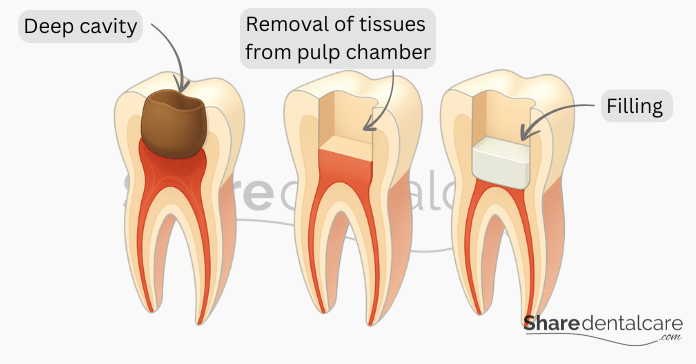
Root canal treatment is an endodontic procedure dentists use to save a tooth when the dental pulp, which contains nerves and blood vessels, becomes infected or severely damaged. During the treatment, the dentist removes the infected pulp, cleans the root canal system, and seals the space to prevent further infection. This helps stop pain, preserve the natural tooth, and restore normal function. While standard root canal treatment is an effective option, some patients may seek a root canal alternative due to concerns about the procedure, cost, or long-term outcomes.

Why Consider an Alternative to Root Canal Treatment?
Many people consider a root canal alternative for different reasons. Some feel anxious about getting a root canal because they believe it will be painful, even though modern endodontic treatment is usually comfortable with proper anesthesia. Others worry about the cost of root canal therapy, especially if they also need a crown afterward, which can make the dental treatment more expensive. Concerns about possible complications, such as reinfection of the root canal or fracture of the affected tooth, may also influence a patient’s decision.
In addition, some people prefer less invasive approaches when dealing with severe tooth decay or infected dental pulp. These alternatives for root canal therapy give patients different ways to save their smile without a root canal.
Alternatives to Root Canal Therapy
When patients search for a root canal alternative, dentists may suggest several evidence-based treatments depending on the health of the affected tooth. If the dental pulp is only slightly exposed, pulp capping may protect it and stimulate root development, helping the tooth heal without a root canal. In cases where the tooth is severely damaged or has an infected root, extraction followed by a dental bridge or implant may be a more effective treatment option.
Some dentists also consider procedures like pulpotomy for younger patients, or even newer approaches that use materials or techniques designed to preserve dental tissues. Each of these alternative treatments to root canal therapy aims to stop pain, control dental infections, and either save your natural teeth or replace them with strong, long-lasting solutions. A dentist may recommend the best option after carefully examining the root cavity, dentin, and surrounding dental tissues to ensure safe and successful results.
Indirect and Direct Pulp Capping
Pulp capping is a common root canal alternative that dentists may recommend when the pulp is still healthy enough to be saved. This procedure protects the dental pulp when tooth decay or an injury comes very close to it. A medicament such as calcium hydroxide or newer biocompatible materials is placed over the area to encourage healing and stimulate dentin growth, which helps protect the tooth root and surrounding tissues.
In direct pulp capping, the dentist applies the material directly on an exposed pulp, while indirect pulp capping is used when decay is close to the pulp but not fully exposed. Both techniques aim to preserve the natural pulp, reduce the need for a root canal or tooth extraction, and allow the affected tooth to stay strong and functional for many years.

Pulpotomy
A pulpotomy is another root canal alternative that dentists may use to save a tooth when the pulp in the crown of the tooth becomes infected, but the root pulp remains healthy. In this procedure, the dentist removes the infected tissue from the upper part of the pulp chamber while leaving the pulp in the root intact. A medicament is then placed to protect the remaining pulp and encourage healing. This treatment is often done when decay or injury exposes the pulp but has not yet spread deep into the roots.
By preserving the healthy portion of the pulp, a pulpotomy helps maintain the vitality of the tooth, reduces pain, and can delay or even prevent the need for a full root canal therapy. This makes it an effective option for patients seeking an alternative to a root canal, especially in younger teeth or cases where saving natural dental tissues is possible.
Tooth Extraction and Replacement
Sometimes, a tooth is too severely damaged or the infection has spread so deeply that saving it with endodontic treatment is no longer possible. In these cases, extraction becomes the only practical root canal alternative to protect overall oral health and stop pain.
Once the tooth is removed, patients can choose replacement options like dental implants, which act as artificial tooth roots and provide long-lasting stability, or dental bridges, which fill the gap by anchoring to nearby teeth. For those who need to replace several teeth, dentures may be recommended as a cost-effective solution.
These alternatives not only restore function for chewing and speaking but also help maintain a natural smile and prevent shifting of the surrounding teeth. A dentist can guide each patient in selecting the best replacement option after extraction based on their needs, budget, and long-term goals.
Comparing Traditional Root Canal Treatment to Alternative Treatments
When comparing different root canal alternative treatments, it’s important to weigh their benefits and limitations against traditional root canal therapy. While alternatives may suit certain cases, conventional root canal treatment still stands out as the most reliable way to save a natural tooth and protect long-term oral health. Here’s how the options compare:
- Cost Considerations: A root canal alternative like extraction followed by dentures or bridges may cost less upfront, but long-term care and replacements can add expenses. Traditional root canal treatment may seem costly at first, especially with a crown, but it often lasts many years with proper care.
- Effectiveness in Saving Teeth: Root canal therapy remains the most effective treatment when pulp is removed and the goal is to save your natural tooth. Alternatives such as pulp capping or pulpotomy work only in specific cases, usually when the pulp in a root is still healthy.
- Longevity of Results: A conventional root canal often provides lasting results if done properly, while some alternatives may offer shorter-term relief. For example, pulp capping is typically successful when decay is not too deep, but it may not hold up if the infection spreads.
- Risks and Complications: Alternatives to root canal treatment, like extraction, eliminate the infected root canal but can lead to shifting teeth or bone loss if not replaced. Root canal therapy carries some risk of reinfection or root fracture, but these issues are less common with modern techniques.
- Treatment Options After Extraction: Choosing another alternative, such as dental implants or bridges, can restore function and appearance, but these procedures involve surgery, healing time, and added costs. By contrast, conventional root canal therapy avoids tooth loss and helps maintain natural options for chewing and smiling.
Natural Remedies vs. Professional Dental Care
Some people look for a root canal alternative in the form of natural remedies like clove oil, herbal rinses, or other holistic approaches. These options may give short-term relief from a toothache or reduce discomfort, but they cannot heal infected dental pulp or stop the spread of bacteria inside the tooth. Natural remedies like these may calm irritation on the surface, yet they do not address the deeper problem, where the pulp can become severely infected.
Without professional dental care, the infection can worsen, damage surrounding dental tissues, and even affect overall health. While natural methods can be helpful for temporary comfort, only a dentist can provide effective treatment options, such as pulp capping or root canal therapy, to save the tooth. If you have persistent pain or signs of infection, call our dental office for a safe and lasting solution.
Risks of Choosing an Alternative Root Canal Treatment
Choosing a root canal alternative may seem appealing, but it comes with certain risks if the infection inside the tooth is not fully treated. When the pulp, which is a soft tissue containing nerves and blood supply, stays infected, the bacteria can spread deeper into the tooth and surrounding areas. This can lead to constant pain, abscess formation, or even damage to the jawbone. In some cases, avoiding standard root canal therapy may result in tooth loss, requiring more complex and costly treatments later, such as implants or bridges.
While potential alternatives to root canal treatment, like pulp capping or pulpotomy, may work in specific situations, they are not always suitable when the infection is severe. For this reason, patients should always consult a dentist to understand the safest and most effective treatment option for their case.
How Do Dentists Choose the Best Treatment Option for Infected Teeth?
When patients ask about a root canal alternative, the dentist carefully examines the tooth before recommending any treatment. This process usually includes a clinical exam, where the dentist checks the tooth for cavities, cracks, or signs of infection, and reviews X-rays to see the condition of the roots and surrounding bone. The dentist also evaluates the pulp to determine if it can heal or if it needs to be removed. Based on these findings, the dentist may suggest standard root canal therapy, extraction, or other types of dental treatment. This careful approach ensures that the chosen procedure is safe, effective, and tailored to the patient’s individual needs.
Preventing the Need for Root Canal Alternatives
The best way to avoid needing root canal alternatives is to protect your teeth before problems reach the pulp, which is a soft tissue deep inside the tooth. Simple daily habits and regular dental visits can make a big difference in keeping your smile healthy. Here are some important tips:
- Practice Good Oral Hygiene: Brush your teeth twice a day with fluoride toothpaste and floss daily to remove plaque and food particles that cause decay.
- Schedule Regular Dental Checkups: Routine visits help your dentist catch early signs of cavities, cracks, or gum disease before they reach the stage where a root canal may be needed.
- Treat Cavities Early: Small cavities are easier and less costly to repair with a simple filling. Leaving them untreated can allow decay to spread deeper until a procedure is required to remove the pulp.
- Protect Tooth Structure: Avoid chewing on hard objects, wear a mouthguard during sports, and address grinding habits. Strong teeth are less likely to fracture and require treatments like a dental crown after a root canal or extraction.
By staying consistent with prevention, you can reduce the risk of infection and keep your natural teeth strong for many years.
Conclusion
Protecting and treating your teeth at the right time is the key to maintaining a healthy smile. As this blog has explained, there are several options when dealing with deep decay or infected pulp, from pulp capping and pulpotomy to tooth extraction with replacement solutions. Each procedure is carefully evaluated by the dentist, focusing on the condition of the pulp, how far the infection has spread, and whether the natural tooth can still be saved.
While alternatives can be helpful in specific situations, traditional root canal therapy remains the most effective way to preserve your natural tooth and prevent future complications. Avoiding timely treatment can lead to serious problems, such as persistent infection, abscess, or even tooth loss. That’s why it’s essential to trust your dentist’s guidance and understand the risks before choosing an option.
The good news is that prevention plays a big role in avoiding these dental issues. Practicing strong oral hygiene, treating cavities early, and protecting your tooth structure will reduce the chance of ever needing a root canal or its alternatives. If you are experiencing pain or suspect an infection, don’t wait; schedule an appointment with your dentist. Taking action early helps keep your teeth strong, your gums healthy, and your smile lasting for years to come.
