Have you ever wondered how long a tooth can last after root canal treatment without a crown? Many patients breathe a sigh of relief once the infected pulp is removed and the tooth is sealed, but they often don’t realize that the journey isn’t always complete. A root canal without crown may leave the treated tooth fragile, especially if it’s a back molar that takes the pressure of chewing every day. While some front teeth may not always need a crown, others are at risk of cracking or breaking without this extra protection. In this blog post, we will explain how long a root canal may last without a crown, what determines if you should get a crown following a root canal procedure, and practical tips to maintain your treated tooth with good oral hygiene so it can last longer.
What Is a Root Canal Treatment?
A root canal is a common dental procedure that helps save your natural tooth when the dental pulp inside the tooth becomes infected or damaged. The pulp contains nerves, blood vessels, and connective tissue, and once bacteria reach this area, it often causes severe pain or infection. An endodontist, a dentist who specializes in this type of treatment, carefully removes the infected tissue and cleans the inside of the tooth to stop the spread of infection.
After cleaning, the space is sealed with a rubber-like material called gutta-percha to restore the tooth’s function and protect it from future problems. This process allows the treated tooth to remain in place and function like a normal tooth, enabling you to chew as usual. The American Association of Endodontists explains that timely treatment not only relieves pain or sensitivity but also helps maintain the tooth for many years. Getting a root canal can save your natural tooth and bring it back to its pre-infection strength when combined with the right restoration.
Why Is a Crown Usually Needed After a Root Canal?
After a root canal, the treated tooth often becomes more fragile and may not last as long without extra protection. This is why dentists usually recommend placing a crown after root canal treatment. A crown restores the tooth’s pre-infection function and strength. Here’s why it plays such an important role:
- Restores Tooth Strength: After a dentist removes the dental pulp during a root canal, the remaining tooth structure becomes weaker. A crown restores the tooth’s structure and function to what they were before the infection.
- Prevents Cracks and Breaks: Teeth without a crown are fragile and more likely to crack, especially molars at the back of the mouth that handle heavy chewing. Placing a crown protects the tooth from fractures that could lead to tooth loss.
- Seals and Protects the Tooth: A crown completely covers the treated tooth, sealing it off from bacteria. This reduces the risk of reinfection and helps maintain the procedure’s results.
- Improves Function for Chewing: A crown restores normal chewing ability, which is especially important for back teeth. Without it, the tooth may not last as long or function as well.
- Enhances Tooth Appearance: Besides protection, a crown improves the look of the tooth by matching its color and shape. This is helpful for front teeth, where appearance matters.
- Supports Long-Term Survival: The survival of a tooth after a root canal depends on many factors, including the location of the tooth and how much natural structure is left. A crown helps ensure the tooth lasts longer and stays comfortable.

Root Canal Without Crown – Is It Possible?
In some cases, a tooth can survive a root canal without a crown, but it depends on the location and condition of the tooth. Front teeth, for example, experience less biting force than molars at the back of the mouth, so they may not need a crown if enough natural structure remains after treatment. A strong filling after a root canal can sometimes protect the tooth for a while, especially when combined with good oral hygiene practices like regular brushing and flossing.
However, teeth can be fragile without a crown, and determining how long they will last depends on factors such as how much of the tooth is damaged. While it may be possible to delay placing a crown, quality treatment and timely protection usually give the best chance to save the tooth and restore your natural smile.
How Long Can a Root Canal Last Without a Crown?
A root canal without a crown can last for some time, but the exact length depends on the condition of the tooth, its location, and the forces it endures every day. Dental studies show that teeth at the front of the mouth, such as incisors, often survive longer without crowns because they face less chewing pressure. In contrast, molars and premolars are much more likely to fracture since they absorb most of the bite force.
Without a crown placed, the treated tooth remains fragile, which increases the risk of cracks, pain, or reinfection. Some patients may keep a tooth for years with just a filling after a root canal, but survival rates are significantly higher when a crown protects the remaining tooth structure.
Risks of Root Canal Without a Crown
Choosing a root canal without a crown can leave your tooth vulnerable. While the treatment removes the infected tissue and saves the tooth, the remaining structure is often weaker and at risk of new problems. Here are the main risks to consider:
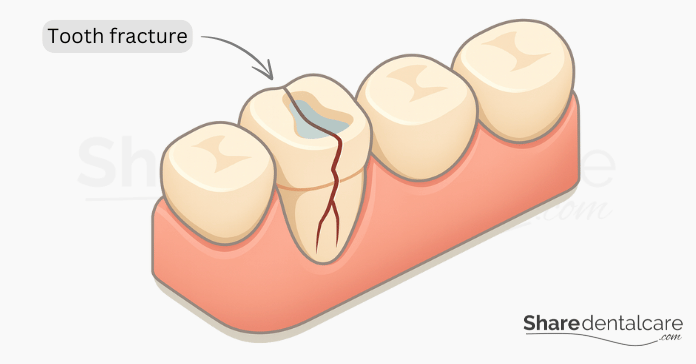
- Tooth Fracture: A tooth that has undergone a root canal becomes more brittle. Without a crown, it can easily crack or break when chewing, especially in back teeth that handle strong bite forces.
- Reinfection: Even after the dental pulp is removed, bacteria can still find their way inside if the tooth is not fully sealed. Patients may find themselves in a situation where they once again need a root canal or even a tooth extraction. A crown provides an extra layer of protection that helps prevent reinfection and tooth pain.
- Loss of Tooth Structure: Over time, everyday chewing can wear down a tooth without a crown. This gradual breakdown weakens the remaining tooth and makes it harder to restore later.
- Tooth Loss: If a root canal-treated tooth fractures badly or develops a new infection, saving it may no longer be possible. In that case, extraction and replacement options such as implants may be necessary.
- Persistent Pain: Without the added protection of a crown, the treated tooth may continue to feel uncomfortable, especially when exposed to pressure.
When Can a Tooth After a Root Canal Survive Without a Crown?
A tooth that has undergone a root canal without a crown can sometimes function well, but this depends on a few important factors. In some cases, a crown may not be necessary right away. For example, front teeth that still have most of their natural structure intact often hold up better because they are not used for heavy chewing. Similarly, if the cavity was small and only a limited portion of the tooth was removed to access the infected pulp, the tooth may remain strong enough with just a filling to seal the tooth.
Patients who practice good oral hygiene can also extend the life of a treated tooth without a crown, since healthy gums and surrounding teeth help support it. However, every case is different, and your dentist will evaluate whether the tooth can safely last without additional protection or if placing a crown after a root canal is the best way to restore your tooth’s strength and function.
Alternatives to Dental Crowns
After a root canal, your dentist may not always recommend a full crown, especially if the tooth is still strong and located in an area with less biting pressure, such as the front teeth. In these cases, other options can restore the tooth’s function and appearance. A dental filling, such as a composite resin filling, may be used if the treated tooth has only lost a small portion of its structure.
For teeth that need more coverage than a filling but less than a crown, inlays and onlays are good choices. These are custom-made restorations that fit securely into or onto the tooth, helping to strengthen it while preserving more natural structure. The best option depends on your treatment plan, the amount of tooth remaining, and how much chewing force the tooth will face. Your dentist will guide you in choosing the most suitable solution to restore your tooth after a root canal.
Caring for a Tooth After Root Canal Without a Crown
If your tooth has had a root canal without a crown, it needs some extra care to stay strong and last as long as possible. By following simple habits and paying attention to changes, you can protect the treated tooth and avoid future problems.
Aftercare Tips
- Avoid Hard Chewing: A tooth that has undergone a root canal without a crown is weaker than before. Biting ice, pens, or hard foods can cause cracks or fractures, so stick to softer foods when possible.
- Maintain Good Oral Hygiene: Brush twice daily, floss once a day, and use fluoride toothpaste. Keeping your mouth clean lowers the risk of decay in the treated tooth and the adjacent teeth.
- Schedule Regular Checkups: Your dentist can monitor how long a root canal lasts without a crown by checking for signs of wear, cracks, or pain or sensitivity. Professional cleanings also help protect your treated tooth.
- Watch for Early Warning Signs: If you notice pain or visible lines on the tooth, schedule an appointment right away. Detecting problems early can save the tooth and prevent more complex procedures used to treat damage.
- Protect Against Grinding: If you grind your teeth at night, your dentist may suggest a mouthguard. Grinding puts extra pressure on a tooth that has undergone treatment, making it more likely to break.
Conclusion
A root canal is a powerful treatment that saves an infected tooth and restores its function, but without a crown, the tooth may remain vulnerable. While some front teeth can last for years with just a filling, back molars face daily chewing forces that often require extra protection. The decision to place a crown depends on factors such as the tooth’s location, the amount of natural structure left, and the pressure it endures.
Choosing to delay or skip a crown comes with risks, including cracks, reinfection, or even tooth loss. Alternatives like inlays, onlays, or strong fillings may be suitable in certain cases, but nothing matches the long-term protection and strength a crown provides. Practicing good oral hygiene, avoiding hard foods, and visiting your dentist regularly can help extend the life of a treated tooth, especially if it has not been crowned.
If you’ve had a root canal, the best step is to discuss your options with your dentist. They can determine whether your tooth can safely last without a crown or if additional protection is needed. Protecting your treated tooth now not only saves you from future complications but also helps you keep your natural smile strong and healthy for years to come.
