Has your temporary crown fallen off while you were eating or brushing your teeth? Don’t panic; you’re not alone. It’s actually a common situation in dentistry, especially while you wait for your permanent crown to be made. Although temporary dental crowns are designed to stay in place for a short time, certain habits like chewing sticky foods or grinding your teeth at night can cause them to come loose. When your temporary crown comes off, it can feel alarming, especially if it exposes a sensitive tooth or causes discomfort. In this blog post, we will explain why your temporary crown fell off, what you should do immediately after it happens, how to protect your tooth until you visit your dentist, and what to expect when getting your crown back in place.
What Is a Temporary Dental Crown?
A temporary dental crown, also known as a provisional crown, is a short-term cap placed over a prepared tooth to protect it until your permanent crown, such as a porcelain tooth crown, is ready. Dentists usually place it after procedures like a root canal or when shaping your tooth for a dental crown. It helps hold the crown in place, prevents food particles from getting underneath the crown, and protects the underlying tooth from damage or sensitivity. Although it’s not meant to last long, it plays an important role in keeping your natural tooth safe while your dentist’s office completes the final restoration. If your temporary crown has fallen off, it’s important to see your dentist as soon as possible to avoid discomfort or damage.
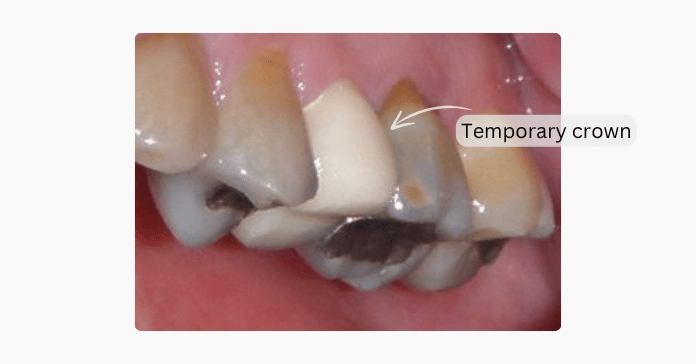
Why a Temporary Crown May Fall Off?
Here are the most common reasons a temporary crown fell off:
- Weak or Worn-Out Temporary Cement: Temporary crowns rely on a softer type of dental adhesive. Over time, this temporary cement may dissolve or weaken over time.
- Chewing Sticky or Hard Foods: Chewing gum, toffee, or hard snacks can easily pull or loosen the crown placed on the prepared tooth, especially if the crown wasn’t fully sealed.
- Poor Crown Fit or Shape: If the temporary crown doesn’t fit snugly or wasn’t shaped properly to match your bite, it may rock slightly and eventually come loose with normal chewing.
- Poor Oral Habits: Skipping oral hygiene, using your teeth to open packages, or not cleaning around the crown can weaken the bond and lead to early crown failure.
- Grinding or Clenching Teeth: People who grind at night (a condition called bruxism) often cause the crown to come off due to repeated pressure.
- Accidental Trauma or Brushing Too Hard: Hitting your crown while brushing or flossing aggressively, or biting down unexpectedly on something hard, can cause the crown has come loose or even break off entirely.
- Natural Wear and Tear: Because temporary crowns are made from weaker materials, they can simply wear out before the permanent one is ready.
- Extended Use Beyond Recommended Time: If you wear a temporary crown longer than intended without getting the permanent crown, the material may degrade, increasing the chance that the crown will fall off or become damaged.
Is It a Dental Emergency If a Temporary Crown Fell Off?
If your temporary crown fell off, it’s not usually a dental emergency, but it still needs quick attention. A temporary crown is placed to protect the underlying tooth, maintain your bite, and prevent the tooth from shifting while the permanent crown is being made. If the crown falls off and you’re not in pain, you can usually wait a short time, but you should still see your dentist as soon as possible to avoid complications like tooth sensitivity, gum irritation, or food particles getting trapped inside the crown area.
However, if you’re experiencing pain, the tooth feels sharp or exposed, or you have trouble eating, it becomes more urgent. In those cases, call your dental office for an appointment to see your dentist right away.
Immediate Steps to Take When Your Temporary Crown Comes Off
If your temporary crown fell off, the first thing to do is stay calm. Start by gently rinsing your mouth with warm salt water to wash away any particles and keep the area clean. Check if the crown is intact and keep the crown in a clean container. Your dentist will put it back if it’s still usable. Avoid chewing on the affected tooth to prevent irritation or damage to the original tooth or exposed tooth structure. If the area feels sharp, you can use orthodontic wax to cover it temporarily.
Do not try to glue it back yourself with household products. Instead, call your family dental office or dentist at the earliest to schedule a visit. Acting quickly helps the crown stay in place once it’s reattached and protects your temporary crown to protect the tooth until the permanent one is ready.
Can You Reattach a Temporary Dental Crown at Home?
If your temporary crown fell off, you may be able to place it back as a temporary fix, but only with caution. Clean the fallen crown gently using warm water and mouthwash or toothpaste, then see if the crown is intact and free from cracks. If so, you can try using denture adhesive or over-the-counter dental cement to hold it in place until you see a dentist.
Never use regular glue or unsafe materials, as they can damage the tooth structure or cause irritation around your crown. If the crown feels loose, causes discomfort, or you have a chipped temporary crown, avoid eating on that side and call your dentist right away. Even if the crown stays in place, it’s still important to schedule a visit for proper reattachment or to put in a new temporary crown.
What Happens If You Leave the Tooth Without a Temporary Crown?
Here’s what can happen if your temporary crown falls off and you leave the tooth without the crown:
- Tooth Sensitivity Increases: The underlying tooth becomes exposed, which can make it sensitive to hot, cold, sweet, or acidic foods.
- Higher Risk of Tooth Decay: Without the crown, bacteria and food particles can settle on the exposed surface, increasing the chance of tooth decay.
- Gum Inflammation or Irritation: The area may become swollen or sore, especially if food gets stuck around the exposed tooth or sharp edges.
- Shifting of Nearby Teeth: When you remove the temporary and leave the space open, nearby teeth may begin to shift, which can affect how your permanent crown fits later.
- Bite Problems or Jaw Discomfort: Changes in tooth position or chewing habits can lead to uneven bite pressure, jaw strain, or even over-the-counter pain.
- Delays in Final Treatment: Avoiding dental visits after a temporary crown fell off can make it harder for your dentist to fit the permanent one.
For these reasons, it’s important to take care of your temporary crown and replace it promptly to avoid long-term complications.
How to Protect Your Provisional Crown?
Follow these simple tips to keep your temporary crown secure until your permanent crown is ready:
- Avoid Hard or Sticky Foods: Chewing gum, caramels, nuts, or crunchy snacks can loosen or pull off your crown. Stick to soft foods while you wear a temporary crown.
- Floss Gently: Don’t snap the floss up and out. Instead, slide it sideways out of the space to avoid lifting the crown.
- Don’t Use Your Teeth as Tools: Never bite down on pens, open packages, or chew ice. Even a strong temporary crown can’t handle that pressure.
- Manage Teeth Grinding: If you grind or clench your teeth, talk to your dentist about wearing a night guard. Grinding puts extra force on the crown and can loosen it over time.
- Keep the Area Clean: Brush gently around the crown and rinse regularly with water or a recommended mouthwash to wash away debris and reduce swelling and inflammation.
- Use Dental Materials Appropriately: Only apply temporary dental cement or denture adhesive if specifically recommended by your dentist. Unapproved materials can interfere with the fit of the crown, damage the tooth structure, or introduce harmful substances.
- Stick to Regular Dental Care: Go to all scheduled appointments so your dentist can monitor the crown and put in a temporary crown again if needed.
By following these habits, you improve the chances that your temporary crown stays in place.
Conclusion
If your temporary crown fell off, the most important thing to remember is not to panic. Temporary crowns are meant to serve a short-term purpose, and losing one isn’t uncommon. However, knowing what steps to take and taking them quickly can help you avoid pain, infection, or complications with your permanent crown. From gently rinsing your mouth to wash away debris to protecting the underlying tooth, early action matters.
Throughout this post, we’ve explained why temporary crowns fall off, how to respond when it happens, and why leaving the tooth without the crown can lead to problems like sensitivity, tooth decay, or shifting teeth.
We’ve also shared practical prevention tips, such as avoiding sticky foods, maintaining good dental care, and using products like dental glue or denture adhesive only when directed by your dentist. Whether your temporary crown came loose from wear, trauma, or poor fit, the key is to act promptly and stay in touch with your dental provider.
The best way to prevent future issues is by following your dentist’s instructions and attending all dental visits. A temporary crown may be a short-term solution, but it plays a big role in protecting your tooth. Take care of it, and you’ll make the transition to your permanent crown much smoother.
