An underbite happens when the lower teeth and lower jaw extend forward past the upper teeth, creating a reversed bite relationship. Although many people notice the appearance first, an underbite is more than a cosmetic concern. It can affect chewing, cause jaw pain, and lead to long-term dental issues, such as malocclusion, worn front teeth, and difficulty maintaining good oral health.
This condition can develop from several factors, including jaw structure, genetics, childhood habits, or issues with the upper jaw or lower jaw growth. Severe underbites may cause problems with alignment, speech, and the way teeth fit together. Many patients notice that their upper teeth look behind the lower teeth, leading them to seek treatment options, such as braces, Invisalign, or jaw surgery, for better function and appearance.
Modern dentistry offers a wide range of underbite correction treatments depending on age, severity, and overall oral health. Whether the goal is to fix alignment, reduce jaw pain, or improve facial balance, an orthodontist can recommend the best treatment, from braces to surgical correction. In this blog post, you’ll find a complete breakdown of causes, symptoms, diagnosis, and the most effective treatment options for different types of underbites.
What Is an Underbite?
An underbite is a dental condition where your lower front teeth extend in front of your upper front teeth when you bite down. Instead of the top teeth extending slightly over the bottom teeth, the opposite happens, causing the lower jaw to appear more forward. This bite imbalance affects how your upper and lower teeth meet and can impact chewing, speech, and overall dental health. An underbite can be mild, where only a few millimeters are noticeable, or severe, where the lower jaw sits significantly ahead of the upper jaw.
Clinically, an underbite is known as Class III malocclusion, a type of jaw and teeth misalignment. This condition differs from an overbite, where the top front teeth extend beyond the bottom teeth. With an underbite, the teeth and jaw relationship shifts forward, often creating facial imbalance and functional issues. Class III malocclusion may involve the teeth, the jaws, or both, and the severity can range widely depending on how the upper and lower jaws developed.

What Causes an Underbite?
Several factors can cause an underbite, and many begin early in childhood while the bones are still developing. Genetics, habits, and problems with the dental arch can all contribute to the way the jaw grows and how the teeth align. Here are the most common causes:
- Genetics and Family History: A child’s underbite is often inherited, especially if parents or grandparents also had a Class III malocclusion. Jaw size, bone shape, and tooth patterns can all be passed down.
- Abnormal Jaw Growth: When the lower jaw grows more than the upper jaw or the upper jaw does not grow enough, the imbalance causes the lower teeth to extend forward. This can lead to a pronounced or severe underbite.
- Early Childhood Habits: Thumb sucking, extended pacifier use, tongue thrusting, and long-term bottle feeding can affect jaw alignment and cause the lower teeth to move forward.
- Tooth and Arch Alignment Problems: Crowding, missing teeth, extra teeth, or dental alignment issues can shift the bite relationship. When one or more teeth lean forward, the bottom teeth may sit in front of the upper front teeth.
- Injury or Trauma: Injuries that affect the jawbone during development can change how the upper and lower jaw grow, which may cause an underbite later in life.
- Medical or Developmental Conditions: Some dental or medical conditions influence jaw growth, leading to a Class III relationship and misaligned teeth.

How Underbites Affect Oral Health?
An untreated underbite can significantly affect long-term dental health and function. When the bottom teeth extend beyond the upper teeth, it can cause excessive wear on the teeth, chewing difficulty, and stress on the jaw joints. Many patients experience jaw pain or discomfort, especially when biting hard foods, because the teeth do not meet properly. Over time, a severe underbite can also lead to speech problems, enamel wear, and chronic TMJ issues. In severe cases, the imbalance between the upper and lower jaw may continue to worsen without orthodontic treatment.
Underbite Symptoms You Should Notice
Common symptoms include the lower front teeth extending forward of the upper teeth, difficulty biting into foods, and chronic jaw discomfort. People with underbites may notice misaligned teeth, uneven tooth wear, or front teeth that do not touch when biting down. A slight underbite may not cause major problems at first, but even mild cases can progress if untreated. If the underbite affects function, appearance, or causes pain, you may need treatment to correct an underbite before complications develop.

Underbite Diagnosis by an Orthodontist
An orthodontist diagnoses an underbite by examining your upper and lower jaws, bite relationship, and overall dental alignment. They evaluate how the teeth meet and whether the jaw position is causing the imbalance. Diagnostic tools such as X-rays, digital scans, and dental evaluations help determine whether the underbite is caused by the teeth, the jawbones, or both. After assessing the severity, the orthodontist creates a detailed treatment plan tailored to your age and specific jaw alignment needs.
Underbite Treatment Options
Treatment for an underbite depends on the severity, age, and whether the issue is dental, skeletal, or both. Mild cases may be corrected with braces or Invisalign, while severe cases, especially in adults, may require orthognathic jaw surgery. Children whose bones are still developing often respond well to expanders, growth modification appliances, or early orthodontic treatment. In most cases, the goal is to guide the teeth and jaw into better alignment and prevent the underbite from leading to long-term dental problems.
Braces for Underbite Correction
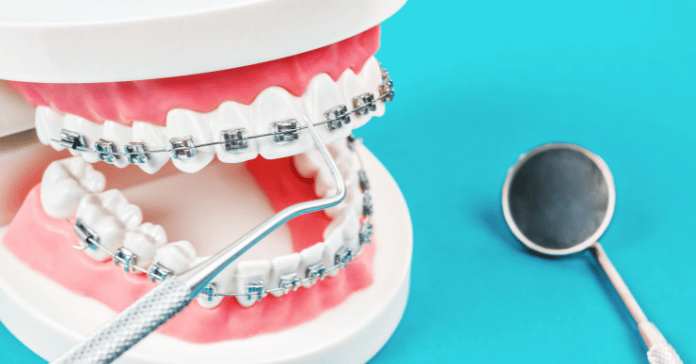
Dental braces are the most common orthodontic treatment for underbites because they can reposition both the upper and lower teeth precisely. Traditional metal, ceramic, or self-ligating braces apply gentle pressure that shifts misaligned teeth into a healthier bite position. Braces may also be combined with elastics to pull the upper jaw forward or adjust the lower jaw’s position, depending on the patient’s needs.
In many treatment plans, braces are used to correct an underbite over several months or years, depending on how severe the condition is. They help align the dental arches, improve the way the top front teeth and bottom teeth meet, and reduce wear on the teeth. After braces are removed, most patients wear a retainer to maintain the corrected bite and prevent relapse.
Invisalign Treatment for Underbites
Clear aligners, such as Invisalign, can fix an underbite in mild to moderate cases, especially when the issue is primarily due to tooth position rather than skeletal jaw imbalance. Clear aligners gradually guide the front teeth and bite relationship into better alignment. Invisalign works best for patients seeking a discreet treatment option and may be combined with attachments or elastics for improved results.
Jaw Surgery for Severe Underbite
Jaw surgery may be needed when the underbite is severe or when the jawbones do not align properly. In adults, where the jaw has finished growing, braces alone cannot fix a skeletal imbalance. Orthognathic jaw surgery repositions the upper jaw, lower jaw, or both to achieve proper alignment. This surgery can significantly improve facial appearance, chewing function, and long-term bite stability.
In severe cases, surgery is combined with orthodontic treatment before and after the procedure to ensure the teeth are positioned correctly. Surgery may be recommended if the underbite causes speech issues, difficulty chewing, or chronic pain due to the lower jaw sitting too far forward.
Growth Modification for Children
Growth modification appliances are used for children whose bones are still developing. These devices help guide jaw growth, encouraging the upper jaw to grow forward or slowing the lower jaw’s forward growth. Early intervention can prevent the need for surgery later and significantly reduce the severity of an underbite.
Can an Underbite Be Fixed Without Surgery?
Mild to moderate underbites can often be corrected without surgery using braces, clear aligners, palatal expanders, or growth modification appliances. These treatments can reposition the teeth and improve the bite relationship when the jaw imbalance is not too severe. However, when the underbite is severe or caused by major skeletal differences, jaw surgery becomes necessary to achieve proper alignment and long-term stability.
How Long Does Underbite Correction Take?
Treatment timelines vary widely depending on age, severity, and the type of orthodontic treatment used. Mild cases may take several months, while more complex underbites require one to three years of braces or clear aligners. When jaw surgery is involved, treatment may extend longer because braces must be worn before and after the surgical procedure. Children typically respond faster to treatment because their jawbones are still growing.
Risks and Complications of Underbite Treatment
Orthodontic treatments for underbites may cause temporary discomfort, soreness, or irritation as the teeth are repositioned. In some cases, patients may experience root resorption, where the roots shorten slightly during tooth movement, though this is often minimal and monitored closely by the orthodontist. Relapse is another possible complication if retainers are not worn as instructed, causing the bite to shift back toward its original position.
Jaw surgery carries additional risks, such as swelling, nerve sensitivity, and healing complications, though these are rare with proper care. Orthognathic procedures are typically performed by specialized surgeons, and most patients recover well with long-term functional and esthetic improvements.
Underbite vs Overbite: What’s the Difference?
An underbite occurs when the lower teeth and jaw extend forward, causing the bottom teeth to sit in front of the upper teeth. This creates a reverse bite relationship and often affects jaw alignment and facial profile. In contrast, an overbite occurs when the top front teeth extend significantly over the bottom teeth, sometimes covering them completely. Each condition creates different functional and aesthetic challenges.
Tips to Prevent Underbites in Children
- Stop Harmful Oral Habits Early: Avoiding prolonged pacifier use, bottle feeding, and tongue thrusting helps prevent jaw alignment issues.
- Encourage Early Orthodontic Screenings: An evaluation by age 7 allows dentists to detect early signs of developing underbites.
- Monitor Jaw Growth During Childhood: If the lower jaw begins to grow forward faster than the upper jaw, early treatment may prevent severe underbites.
- Treat Dental Issues Promptly: Crowding, missing teeth, or misalignment should be addressed early to avoid underbite progression.
When to Seek Treatment for an Underbite?
You should seek treatment if an underbite affects chewing, jaw comfort, appearance, or speech, or if the lower teeth extend noticeably beyond the upper teeth. Early diagnosis helps prevent complications and may reduce the need for surgery later. Whether mild, moderate, or severe, an underbite can lead to long-term problems if left untreated, so a timely orthodontic evaluation is important.
Conclusion
An underbite can affect more than appearance; it can change how you chew, speak, and maintain long-term oral health. When the lower teeth sit in front of the upper teeth, the imbalance can make it hard to bite properly, cause jaw discomfort, and lead to worn enamel or functional issues. Many people develop an underbite early in life, and even a mild underbite may progress if untreated. Understanding what caused an underbite, whether it is genetics, jaw growth, tooth alignment problems, or early habits, helps you recognize how this dental condition can impact daily comfort and long-term oral health.
The good news is that treating an underbite is highly effective when handled early and correctly. Braces or other dental appliances can guide the teeth to be repositioned, while growth modification helps bring the upper jaw forward to realign developing bites. Clear aligners, retainers after the braces, or expanders may be used when the underbite is mild. In more pronounced underbite cases, surgery to correct jaw position may be the best option, especially when skeletal imbalance is the main cause. An orthodontist will help create a personalized treatment plan to correct the bite, improve function, and prevent complications caused by an underbite.
If you or your child shows signs of an underbite, seeking evaluation early can make treatment easier and produce better results. Treating an underbite protects the teeth, improves confidence, and prevents long-term problems that an untreated bite imbalance can cause. A professional orthodontic assessment is the best first step to get an underbite fixed and ensure the teeth and jaws develop in a healthy, stable position.
