Have you ever wondered what smoking does to your gums, beyond the usual warnings? While most people associate tobacco use with stained teeth and bad breath, the damage runs far deeper. Smoking is a well-established risk factor for periodontal disease, a serious gum infection that can lead to tooth loss, bone destruction, and long-term oral health complications. Smokers are significantly more likely to develop gum disease than non-smokers, and the impact of smoking on periodontal tissues makes treating the disease far more difficult. In this blog post, we will explain how does smoking cause periodontal disease, explore the early signs of gum problems in smokers, discuss the effects of tobacco on periodontal tissues, and offer guidance on how smoking cessation can support disease control and improve treatment outcomes.
What Is Periodontal Disease?
Periodontal disease, also known as gum disease, is a serious infection that affects the tissues and bone supporting the teeth. It begins with inflammation of the gums caused by the buildup of dental plaque, a sticky film of bacteria. If left untreated, this condition can lead to the destruction of periodontal tissue, gum recession, bone loss, and eventually tooth loss. The risk of developing periodontal disease increases with poor oral hygiene, smoking exposure, and other health conditions. Here are the main stages of periodontal disease:
- Gingivitis: The earliest and mildest stage. It causes red, swollen gums that may bleed during brushing or flossing. This stage is reversible with good oral care.
- Early Periodontitis: Plaque hardens into tartar, and inflammation extends deeper, affecting the supporting bone. Gums may start pulling away from the teeth, forming shallow periodontal pockets.
- Moderate Periodontitis: The destruction of supporting tissues and bone progresses. Deep gum pockets form, leading to loose teeth and noticeable gum recession. Smokers often experience faster progression at this stage.
- Advanced Periodontitis: Severe damage occurs to the bone and connective tissue. Teeth may shift, become mobile, or fall out.

Does Smoking Cause Periodontal Disease?
Yes, smoking does cause periodontal disease, and it is considered one of the strongest risk factors for gum and oral health problems. Cigarette smoke contains harmful chemicals that damage gum tissue, reduce blood flow, and weaken the immune system. This makes it harder for the body to fight off a gum infection and allows bacteria to thrive below the gumline.
The Link Between Smoking and Severe Periodontal Disease
Scientific studies consistently show that smoking causes periodontal disease and increases the risk of severe gum problems. According to the Centers for Disease Control and Prevention (CDC), smokers have twice the risk of gum disease compared to non-smokers, and they are more likely to experience deep periodontal pockets, bone loss, and tooth loss.
Research also shows that the effect of smoking on periodontal tissue destruction is linked to reduced blood flow, impaired immune response, and increased growth of periodontal pathogens. These findings confirm a strong association between smoking and periodontal disease, especially in its advanced stages.
How Smoking Affects Gums and Tooth-Supporting Structures?
Smoking can cause periodontal disease by damaging the soft and hard tissues that support the teeth. It doesn’t just stain your teeth or cause bad breath—it also harms the gums, bones, and periodontal ligaments on a deeper level. Here’s how:
- Reduces Blood Flow to the Gums: Smoking causes blood vessels to constrict, lowering oxygen and nutrient delivery to the gums. This slows healing and makes it harder to fight infections.
- Dries Out the Mouth: Smoking decreases saliva flow, creating a dry environment where bacteria thrive and inflammation worsens.
- Weakens the Immune System: Tobacco smoke affects immune cells, making it difficult for the body to fight off bacteria and control gum infection. This leads to faster progression of periodontal disease.
- Promotes the Growth of Harmful Bacteria: The chemicals in cigarettes support the growth of periodontal pathogens and disrupt the balance of healthy oral bacteria, leading to periodontal destruction.
- Alters the Function of Periodontal Ligament Cells: Studies show that nicotine changes the behavior of human periodontal ligament cells, reducing their ability to repair damaged tissue and bone.
Signs of Gum Disease in Smokers
Healthy gums should look pink, firm, and fit tightly around the teeth. However, in smokers, gum health is often compromised due to the negative impact of smoking on oral tissues and immune response. Common signs of gum disease in smokers include:
- Gums that bleed when flossing or brushing
- Gum recession that makes teeth look longer
- Persistent bad breath after brushing teeth
- Tooth sensitivity to hot or cold
- Pain while chewing or biting
- Visible bone loss around teeth on dental X-rays
- Swollen or darkened gum tissue
- Formation of black triangles between teeth and gums
- Pus between teeth and gums (in severe cases)
- Loose or shifting teeth due to bone loss
Signs of periodontal disease may appear gradually and often go unnoticed because smoking modifies how the gums respond. Also, Smoking may reduce gum bleeding, masking the early signs of gum disease.

Smokeless Tobacco and Its Effect on Gum Health
While smokeless tobacco products such as chewing tobacco, snuff, and dissolvable nicotine may seem less harmful than cigarettes, they still pose serious risks to gum health. These products contain high levels of nicotine and harmful chemicals that irritate the gums and increase the risk of gum recession, bone loss, and infection.
When tobacco is placed in the mouth for long periods, it causes direct damage to the soft tissue, leading to chronic inflammation and periodontal disease. Studies show that people who use smokeless tobacco have a higher risk of gum problems compared to those who don’t use any tobacco product. Repeated exposure can result in the breakdown of the structures supporting the teeth, just like smoking does.
Treatment Options for Periodontal Disease Caused by Smoking
If you’re dealing with gum disease, especially as a smoker, don’t worry, effective treatments are available. The earlier you start, the better your chances of saving your teeth and improving your oral health. Here are the most common treatment options:
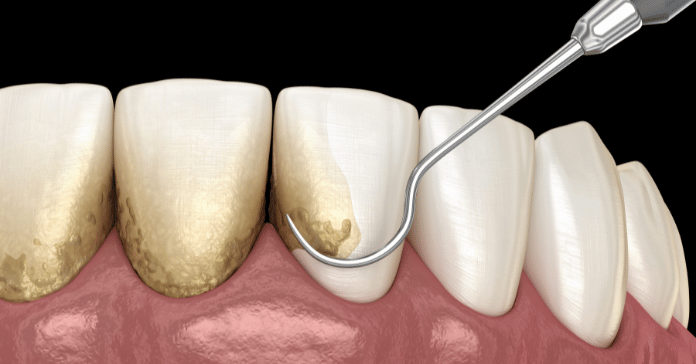
- Professional Dental Cleaning: In the early stage of gum disease (gingivitis), a professional dental cleaning can remove plaque and tartar that brushing can’t reach. It’s an essential first step, especially since smoking can cause harmful buildup below the gumline.
- Scaling and Root Planing (Deep Cleaning): This non-surgical treatment cleans below the gums and smooths the roots of the teeth. It helps remove bacteria and toxins. Smoking increases the risk of deeper pockets, making this procedure critical for smokers and non-smokers alike.
- Antibiotic Therapy: Dentists may apply antibiotics directly to infected areas or prescribe pills to control bacterial growth. This is especially useful when smoking creates a more aggressive form of gum infection.
- Surgical Treatments: For advanced cases, surgery might be needed to restore damaged gum tissue and bone. Smokers with chronic periodontitis may require gum flap surgery or bone grafts to save affected teeth.
Is Periodontal Treatment Effective in Smokers?
While periodontal treatments can help manage gum disease, their success is often reduced in smokers. This is because smoking weakens the body’s ability to fight infection and heal tissue. Studies show that smokers respond less favorably to both non-surgical and surgical gum therapies.
Cigarette smoking, along with harmful chemicals like nicotine, slows down the healing process after gum treatment. It also makes it harder for the gums to reattach to the teeth. While periodontal therapy can still be beneficial, quitting tobacco greatly improves treatment outcomes and long-term periodontal health status.
Can Quitting Smoking Improve Periodontal Health?
Yes, quitting smoking can greatly improve your gum health. When you stop smoking, your body heals better and faster, especially after dental treatments like deep cleanings or gum surgery. Without the harmful effects of tobacco and nicotine, the gums receive more oxygen and nutrients, which helps repair damaged tissue and fight off infection.
Studies show that smokers have lower success rates in gum treatment, but once they quit, their chances of recovery go up significantly. Stopping smoking also slows the development and progression of periodontal disease and lowers the risk of tooth loss.
Tips to Maintain Your Oral Health If You’re a Smoker
Even though smoking can cause periodontal disease, you can still take steps to protect your oral health. Here are practical tips to help you minimize damage and catch problems early:
- Brush Carefully Twice a Day: Use a soft-bristled toothbrush and fluoride toothpaste. Pay special attention to the gumline where plaque tends to build up. Good brushing habits help remove harmful bacteria and reduce the risk of gum infections.
- Floss Daily to Remove Plaque Between Teeth: Flossing helps clean areas your toothbrush can’t reach, preventing hidden buildup that can lead to infection.
- Use an Antimicrobial Mouth Rinse: These rinses help kill bacteria linked to smoking and gum disease. Some mouthwashes also reduce inflammation and improve healing, especially in smokers who are at higher risk for periodontal problems.
- Visit Your Dentist Regularly: Schedule checkups and cleanings every 3 to 6 months. Regular cleaning helps detect issues early and removes tartar that brushing alone can’t handle. Smokers need closer monitoring due to the health effects of tobacco on gum tissue.
- Watch for Warning Signs: Look out for red, swollen gums, persistent bad breath, or gums pulling away from teeth. These symptoms may signal the development of periodontal disease, even if you don’t feel pain.
- Cut Back or Quit Smoking If Possible: Quitting smoking is the most effective way to protect your teeth and gums. Reducing smoking can also help slow the progression of gum disease.
- Eat a Healthy Diet: Eat fruits, vegetables, and foods rich in vitamin C and calcium, which support gum healing and overall oral health, especially for those exposed to tobacco smoke.
Conclusion: Does Smoking Cause Periodontal Disease
Smoking affects more than just your lungs; it plays a major role in damaging your gums and the structures that support your teeth. This blog post explained how smoking causes periodontal disease by weakening the immune system, reducing blood flow to the gums, and supporting the growth of harmful bacteria. It also discussed the effect of cigarette smoking on periodontal tissues and how it increases the risk of tooth loss, especially in smokers compared to non-smokers.
The good news is that it’s never too late to protect your gums. Quitting smoking helps reverse some of the damage and improves treatment outcomes. While heavy smoking makes healing more difficult, stopping tobacco use allows better blood circulation, stronger immune responses, and reduced disease risk.
With early detection, professional dental care, and healthy habits like daily brushing, flossing, and regular cleanings, you can slow down or even prevent the development of periodontal disease, even if you’ve smoked for years.
If you’re a smoker, now is the time to take action. Be aware of the early signs of gum disease, such as bleeding, bad breath, or gum recession, and don’t hesitate to speak with a dental professional. A healthier smile begins with understanding the influence of smoking on your oral health.
