When considering braces to straighten crooked teeth, many people focus on achieving that perfect smile without realizing the potential impact on their gum health. While traditional braces can be highly effective in aligning teeth into new positions, they may also cause a variety of gum issues, including gum recession. Gum recession happens when the gum tissue surrounding your teeth starts to pull away, exposing the roots. If left untreated, this can cause tooth sensitivity, an increased risk for root caries, and even tooth loss. Additionally, gum recession can affect the appearance of your smile because it can cause teeth to look longer than normal. In this blog post, we will discuss gum recession from braces and how to prevent it.
Understanding Gum Recession
Gum recession is a common dental issue that often sneaks up on people because it happens gradually. This condition occurs when the gum tissue surrounding your teeth begins to pull back, exposing more of the tooth and its root than usual. As your gums recede, you may notice that your teeth appear longer or that small gaps are forming along the gum line. These changes are signs of gum recession and should not be ignored.
Gum recession can affect anyone, but certain factors make some people more susceptible to gum recession. For instance, if you have a history of gum disease, or if your gum tissue is thin, you’re more likely to experience this condition.
What Causes Receding Gums?
Various factors can trigger gum recession, each contributing to the gradual loss of gum tissue around your teeth. Understanding these causes can help you take steps to protect your gums, especially if you’re considering getting braces. Here are the main reasons why gums may recede:
- Gum Disease: The most common and severe cause of gum recession is gum disease, also known as periodontal disease. This form of gum disease is a major cause of receding gums and is triggered by the buildup of plaque and tartar along the gum line due to poor oral hygiene. As the disease progresses, it leads to swollen, tender gums that start to pull away from the teeth, resulting in loss of gum tissue and exposing more of the tooth’s surface. Over time, this can lead to bone loss and gum recession, making your mouth more susceptible to further oral health issues.
- Aggressive Brushing: Brushing your teeth too hard or using a firm-bristled toothbrush can damage your gums. The pressure can cause the delicate mouth’s gum tissue to wear away, leading to mild gum recession that may worsen if not addressed. It’s important to note that gum recession from aggressive brushing is preventable by using a soft-bristled toothbrush and gentle brushing techniques to avoid damaging the gum line.
- Smoking and Tobacco Use: Smoking is a significant risk factor for gum disease, making your gums more susceptible to gum recession. The chemicals in tobacco can damage your gums, reduce blood flow, and impair your body’s ability to heal, all of which contribute to the loss of gum tissue and bone around your teeth. Smokers are more likely to experience severe gum recession, and quitting smoking is one of the best ways to protect your gums.
- Tooth Grinding or Clenching: The constant pressure caused by grinding or clenching your teeth, a condition known as bruxism, can cause your gums to recede. This pressure can cause the teeth to shift slightly in their sockets, leading to gum recession and even bone loss over time.
- Hormonal Changes: Hormonal fluctuations, especially in estrogen and progesterone levels, can increase your risk of gum disease and gum recession. Women may experience these changes during puberty, pregnancy, or menopause, making their gums more sensitive and prone to recession. Monitoring your gums closely during these times and maintaining a rigorous oral hygiene routine can help prevent gum recession.
- Braces: While braces can be beneficial for correcting crooked teeth, they can also be a major cause of gum recession during orthodontic treatment. The pressure exerted as braces pull and push your teeth into new positions can cause the gums to recede, especially if the gum tissue is thin or there is a history of gum disease. It’s important to note that gum recession during orthodontic treatment is not uncommon, but working with your orthodontist to monitor your gums and take preventive measures can help minimize the risk.
- Misaligned Teeth: Teeth that are not properly aligned can lead to gum recession because they are more difficult to clean effectively. Plaque buildup around misaligned teeth can cause the gums to become inflamed and recede over time.
- Genetics: Some people are genetically predisposed to developing gum disease and gum recession. If you have a family history of gum issues, you may be more susceptible to gum recession. In such cases, it’s crucial to monitor your gums closely and seek professional advice to treat gum recession and prevent further damage.

Can Braces Cause Gum Recession?
Yes, braces can cause gum recession, but it’s important to understand that this is not always the case. Braces may contribute to gum recession because they apply pressure to the teeth and jawbone, helping to move teeth into their proper positions. This pressure, while essential for straightening teeth, can also impact the gum tissue that surrounds the teeth, particularly if the gum tissue is thin or if there are pre-existing gum issues.
However, it doesn’t mean you shouldn’t get braces if you need them. The relationship between braces and gum recession is complex, and several factors can increase the risk of gum recession during orthodontic treatment.
How Can You Get Gum Recession from Braces?
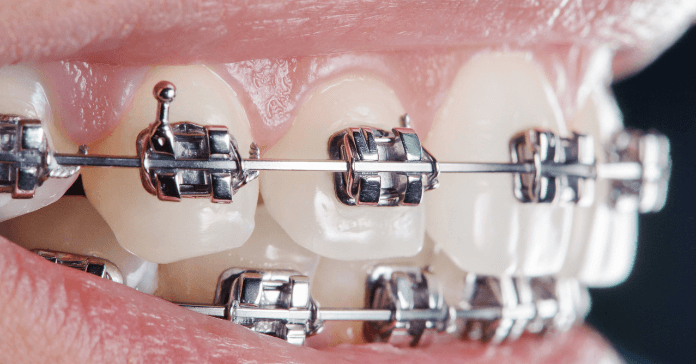
Gum recession due to braces can happen in several ways, primarily because of the force braces exert on the teeth and gums. Braces push and pull teeth into new positions, and while this movement is necessary for correcting alignment, it can also put pressure on the gums and jawbone. Over time, this pressure can weaken the gum tissue, leading to receding gums, especially if your gums are already thin or vulnerable.
In addition to the pressure exerted by braces, the brackets and wires used in orthodontic treatment can trap dental plaque and bacteria around them. This makes it difficult to clean thoroughly, increasing your risk of developing periodontal disease.
Several factors can increase the risk of developing gum recession while wearing braces:
- Poor Oral Hygiene Habits: Inadequate brushing and flossing can lead to plaque buildup around the brackets, increasing the likelihood of gum recession. It’s essential to maintain a good oral hygiene routine to keep your gums healthy.
- Gum Disease: If you have a history of gum disease, you’re more likely to experience gum recession due to the already compromised state of your gum tissue. Braces can exacerbate this condition, leading to further recession and bone loss.
- Aggressive Brushing Around Braces: Brushing too hard around the brackets can damage your gums, particularly if you’re using a hard-bristled toothbrush. This can lead to minor receding gums that worsen over time.
- Improper Placement of Brackets: If brackets are not properly placed, they can put excessive pressure on certain areas of the mouth, contributing to gum recession. It’s important to ensure that your orthodontist carefully monitors the placement and adjustment of your braces.
- Smoking or Tobacco Use: Smoking is a major risk factor for gum disease, which can lead to recession and periodontal bone loss. If you’re using braces, smoking can significantly increase your risk of developing gum recession.
It’s important to remember that experiencing gum recession due to braces doesn’t mean you shouldn’t get braces. However, it does mean you need to take extra precautions to protect your gums.
Can Braces Help Prevent Gum Recession?
Yes, braces can help prevent gum recession and improve the overall health of your gums. By re-aligning crowded or overlapping teeth, braces make it easier to maintain good oral hygiene. When teeth are properly aligned, it’s simpler to clean around them, removing plaque and tartar that can cause inflammation and lead to gum issues. This improved cleanliness can significantly reduce the amount of gum recession and keep your gums healthy.
Braces can also correct an improper bite, which might be applying unequal pressure on certain teeth, leading to gum recession. When your bite is balanced, the force exerted on your teeth is distributed evenly, reducing the risk of gum recession and missing gum tissue. This is particularly important if you have thin gum tissue, as it can be more susceptible to recession.
Consult your dentist or periodontist, a gum specialist, before starting treatment. They can assess your specific needs and recommend the best course of action to prevent gum recession during orthodontic care.
Can Receding Gums Grow Back?
No, once your gums have receded, they cannot grow back. However, that doesn’t mean you’re without options. You can take proactive steps to improve gum health and prevent further recession. It’s important to remember that gum recession is a condition that can worsen over time if left untreated, so early intervention is key.
Regular orthodontic appointments are crucial, as your orthodontist can detect signs of gum recession early and recommend strategies to prevent it from progressing. For example, in cases of gum recession with braces, your orthodontist may suggest adjustments to your treatment plan, such as using clear braces, also known as Invisalign aligners, which might be gentler on the gums than traditional metal braces.
If your gums are receding and you’re concerned about the impact of braces, discuss your treatment options with your orthodontist. They can guide how to minimize the risks associated with gum recession and braces.
Treatment for Gum Recession
The treatment for gum recession depends on the underlying cause and the severity of the condition. In mild cases, where the recession is just beginning, non-surgical methods can be effective. One common approach is scaling and root planing, also known as deep periodontal cleaning. This procedure removes plaque and tartar buildup from below the gum line, helping to stop the progression of gum recession. In some cases, dental bonding may be used to cover exposed tooth roots, protecting them from further damage and sensitivity.
For more moderate to severe cases, your orthodontist may refer you to a periodontist, a specialist in treating gums and the supporting tissues of the teeth. If the recession is significant, a periodontist might recommend a surgical procedure known as a gum graft. This involves taking healthy gum tissue from another area of your mouth and using it to cover the exposed roots. This procedure not only helps reverse gum recession but also stabilizes the bone and gum structure, reducing the risk of further recession. With proper dental care, gum grafts have high success rates and can be a long-term solution for severe cases.
It’s important to address gum recession promptly because it can cause the bone supporting your teeth to deteriorate, leading to more serious oral health issues.

Tips for Optimal Gum Health While Wearing Braces
To prevent gum recession while wearing braces, it’s essential to maintain a diligent oral care routine. Start by gently brushing your teeth twice a day with a soft-bristled toothbrush. This helps clean around the brackets and wires without irritating your gums. Flossing daily is also crucial, as it removes plaque and food particles that can accumulate between your braces and teeth. Your orthodontist may also recommend using an antibacterial rinse to reduce bacteria in your mouth during braces, which can help keep your gums healthy.
In addition to daily care, follow your orthodontist’s instructions closely. For instance, avoid hard and sticky foods that can damage your braces or cause the brackets to come loose. These types of foods can also make gum recession more likely by creating additional pressure on your teeth and gums. If you play sports, wearing a mouthguard is important to protect both your braces and your gums from injury.
Regular visits to your orthodontist are essential for monitoring your progress and addressing any potential gum issues early on. These checkups allow your orthodontist to make necessary adjustments to your braces and ensure that your gums are healthy throughout your treatment. Gum recession can cause serious problems if left untreated, so it’s important to stay on top of your oral health during orthodontic care.
By taking these preventive steps, you can avoid gum recession caused by braces and keep your gums in optimal condition throughout your teeth during orthodontic treatment.
Conclusion
Gum recession from braces is a possibility, primarily due to the pressure that braces exert on the gums and jawbone as they move teeth into their correct positions. However, other factors, such as poor oral hygiene habits, existing gum disease, smoking or tobacco use, and aggressive brushing around braces, can also increase the risk of developing gum recession.
To minimize the chances of gum problems during orthodontic treatment, it’s essential to practice good oral hygiene consistently. This includes brushing gently around your braces, flossing daily, and using any recommended antibacterial rinses. Regular visits to your orthodontist for checkups and adjustments are also crucial, as they help monitor your gum health and catch any early signs of issues like braces and receding gums.
By following your orthodontist’s instructions and maintaining a strong oral care routine, you can ensure that your orthodontic treatment proceeds smoothly without complications. Taking these steps will help protect your gums and keep your smile healthy throughout your time in braces.
