A cracked tooth can cause anything from mild discomfort to severe pain, and if left untreated, it may lead to tooth loss. Many patients wonder if a root canal for a cracked tooth is enough to save it or if extraction is the only option. The answer depends on the type of crack, its extent, and whether the tooth pulp has been damaged.
Dentists and endodontists often recommend root canal treatment when the crack reaches the inner-most layer of the tooth (the pulp). This procedure removes the inflamed or infected tissue, preserves the remaining natural structure, and is usually followed by a dental crown for protection. In many cases, a cracked or broken tooth can be saved with a root canal and crown, preventing the need for tooth extraction and maintaining your natural bite.
In this blog post, we will explain the types of cracked teeth, when a root canal is necessary, how the procedure is done, and what to expect during recovery. You’ll also learn when a tooth cannot be saved, possible risks, and how to prevent cracks in the future.
What Is a Cracked Tooth?
A cracked tooth is a fracture in the hard tissues of the tooth, which may extend through the enamel, dentin, and sometimes even into the pulp. Unlike a simple chip that affects only a small portion of the tooth enamel, a crack can run deeper and compromise the tooth’s structure. Cracks are different from fully broken teeth, as they may not completely separate the tooth into pieces but still cause pain and instability. Early diagnosis is crucial because untreated cracks can worsen, potentially leading to infection or even tooth loss.
Types of Cracked Teeth
Cracks can vary in severity, and the type of crack determines whether the tooth can be saved with root canal therapy. The main categories include:
- Craze Lines: Small, shallow cracks in the enamel that usually cause no pain and do not require treatment.
- Fractured Cusps: A portion of the chewing surface breaks off, often around a filling. These can usually be treated and preserved with a crown.
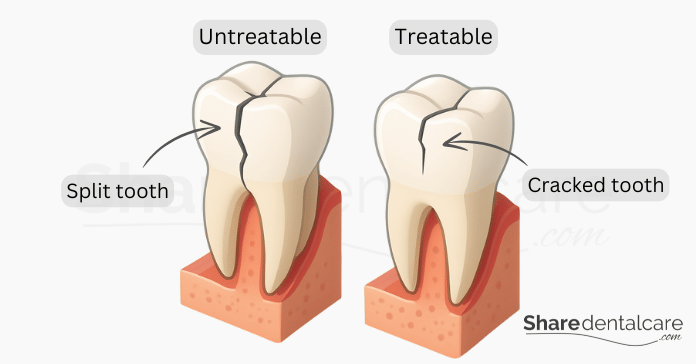
- Cracked Tooth (Extending Toward the Root): A crack has extended vertically from the chewing surface toward the root. If it reaches the pulp, a root canal for a cracked tooth is often necessary.
- Split Tooth: A tooth that has separated into distinct segments. This type usually cannot be saved and often requires extraction.
- Vertical Root Fractures: Cracks that start in the root and extend upward. These are difficult to detect and often mean the tooth is beyond repair.

Cracked Tooth Syndrome
Cracked tooth syndrome refers to an incomplete fracture that may not be visible on X-rays. Patients often experience erratic pain when chewing, tooth sensitivity to temperature, or discomfort that comes and goes. Because symptoms can mimic other dental issues, diagnosing cracked tooth syndrome can be challenging. Early treatment is crucial to preserving the tooth before the crack worsens.
When Is a Root Canal Necessary for Cracked Teeth?
A root canal becomes necessary when the crack reaches the pulp, exposing the tooth’s nerves and blood vessels. Once the pulp is infected or inflamed, root canal therapy helps remove the infected tissue and prevent further damage. If the crack is limited to enamel and dentin, other restorative treatments may be enough, but pulp involvement almost always requires root canal treatment to save the tooth.
Root Canal vs Extraction for a Cracked Tooth
When evaluating cracked tooth treatment, dentists must decide whether the tooth can be saved with a root canal or if tooth extraction is recommended.
If the crack is limited and the pulp can be cleaned, a root canal followed by a crown often restores function and prevents further fractures. This option preserves your natural teeth and avoids the complications of a missing tooth. Patients can chew comfortably, maintain natural tooth structure and function, and avoid costly replacement options.
In contrast, if the crack extends below the gum line or into the root, extraction may be the only choice. Teeth with vertical root fractures or extensive structural damage cannot be saved. In such cases, replacement with a dental implant, bridge, or denture helps restore chewing function and aesthetics. The decision depends on the severity of the crack and whether the tooth is beyond repair.
Root Canal Treatment for a Cracked or Broken Tooth
Endodontic treatment for a cracked or broken tooth involves several steps. First, the dentist removes the infected or damaged pulp inside the tooth. Then, the canals are cleaned and sealed to prevent bacteria from re-entering. Finally, a dental crown is placed to restore the tooth’s strength and protect it from future fractures. This process helps preserve the tooth and avoid extraction.
Diagnosis and Imaging
Dentists rely on a combination of X-rays, clinical exams, and sometimes advanced imaging to assess the extent of a crack. While some cracks are too fine to show on X-rays, symptoms, bite tests, and magnification tools help identify the affected tooth and guide treatment decisions.
Performing the Root Canal Procedure for a Cracked Tooth
During the root canal procedure, the dentist removes the infected pulp, shapes and disinfects the canals, and fills them with a sealing material. This process preserves the remaining tooth structure and stops the pain caused by inflammation or infection.
Placing a Crown After Root Canal
After root canal therapy, the tooth becomes more fragile. A crown is essential to protect the treated tooth, restore chewing strength, and prevent new fractures, especially in molars. Crowns can be made from porcelain, ceramic, or metal and are designed to look and function like natural teeth.
Can Every Cracked Tooth Be Saved with a Root Canal?
Unfortunately, not every cracked tooth can be saved. If the crack extends into the root, below the gum line, or splits the tooth completely, root canal therapy will not be effective. In these cases, extraction becomes necessary to prevent further infection or damage to surrounding teeth and gums. Early diagnosis and treatment increase the chances of saving the tooth.
Aftercare for a Repaired Cracked Tooth
Caring for a repaired, cracked tooth after root canal therapy and crown placement is essential for long-term success. Key aftercare steps include:
- Manage Sensitivity: Temporary sensitivity is normal; use dentist-recommended toothpaste to ease discomfort.
- Eat Soft Foods: Stick to soft foods during the healing period to avoid putting stress on the repaired tooth.
- Maintain Oral Hygiene: Brush twice daily and floss carefully around the crown to prevent decay and gum issues.
- Avoid Hard Foods: Do not chew ice, hard candy, or popcorn kernels to reduce the risk of another fracture.
- Regular Dental Check-Ups: Schedule follow-ups to ensure the repaired cracked tooth is healing properly and the crown is intact.
Risks and Possible Complications
If a cracked tooth is left untreated, bacteria can enter the pulp and cause infection, leading to dental abscesses, swelling, and even loss of the tooth. Even after root canal therapy, there is a risk of repeated fractures or failure if the crack was extensive. In some cases, a repaired cracked tooth may require root canal retreatment or replacement with an implant.
Preventing Cracks in Adult Teeth
Prevention plays a key role in avoiding cracked teeth. Taking care of your natural teeth helps protect them from damage. Important strategies include:
- Avoid Hard Foods: Do not bite down on ice, bones, or hard candy, which can fracture teeth.
- Wear a Nightguard: If you clench or grind your teeth, use a custom guard to protect against cracks.
- Maintain Good Oral Hygiene: Strong, healthy teeth are less likely to crack, so brush and floss daily.
- Visit Your Dentist Regularly: Early diagnosis and treatment of small cracks can prevent severe tooth damage.
- Protect During Sports: Use a mouthguard during contact sports to reduce the risk of tooth fractures.
Conclusion
A cracked tooth is not something that will heal on its own, and leaving it untreated may lead to worsening pain, infection, or even the loss of the entire tooth. The good news is that with early diagnosis and treatment, many cracks can be managed successfully. A root canal for a cracked tooth is often the procedure of choice when the pulp is involved, as it removes infection, preserves the natural structure, and helps protect your teeth with a crown to repair a cracked surface. This treatment not only relieves pain that may come and go but also gives the tooth the strength it needs to function normally.
Not every crack can be saved, especially if it extends below the gum line or into the root. In such cases, tooth removal may be the only solution, followed by replacement options like implants or bridges. Understanding the extent of the crack and getting professional advice early is the key to saving a cracked tooth whenever possible. Endodontists help patients avoid tooth extraction by performing root canal therapy that can restore the function of one tooth and preserve the natural bite.
The best way to protect your teeth is by prevention. Avoid biting on hard foods, wear a nightguard if you grind your teeth, and schedule regular dental check-ups to catch problems early. If you suspect you’ve cracked a piece of tooth enamel or are experiencing sensitivity or erratic pain, don’t wait; seek care promptly. Taking action at the right time can mean the difference between saving your natural teeth with a root canal and facing tooth loss.
