When a tooth has already undergone root canal therapy, most people expect it to last for many years. However, sometimes a treated tooth does not heal as expected or develops new problems months or even years after the initial treatment. In such cases, root canal retreatment may be the best way to save your natural tooth and restore your long-term oral health. This specialized dental procedure involves reopening the tooth, carefully removing the old filling material, and cleaning the root canal system again to eliminate infection or bacteria.
An endodontist may recommend retreatment if the initial root canal therapy was incomplete, if new decay develops, or if a new infection occurs in the tooth. While extraction and tooth replacement are alternatives, retreatment often offers the best chance of preserving your natural teeth. In this blog post, we’ll explain what root canal retreatment involves, why retreatment is sometimes necessary, the step-by-step procedure, risks and success rates, and how to care for your treated tooth after the procedure.
What Is Root Canal Retreatment?
Root canal retreatment is a specialized endodontic procedure performed when a tooth that has already undergone a root canal treatment fails to heal properly or develops a new problem. In simple terms, it is a second attempt to save a natural tooth after the first procedure did not provide lasting success.
Endodontics, the branch of dentistry that deals with root canals, emphasizes that retreatment offers patients another chance to keep their natural teeth instead of resorting to extraction. According to the American Association of Endodontists, retreatment is often the most appropriate treatment when infection in the tooth persists or reappears after a root canal, ensuring thorough treatment and protection of dental health.
Why Retreatment May Be Necessary?
Root canal treatments may sometimes fail to provide permanent relief, and retreatment is necessary for a variety of reasons. Common causes include:
- Old Filling Material Breakdown: Root canal filling material can degrade over time, creating gaps that allow bacteria to enter the canals.
- New Decay in the Tooth: Fresh decay can form around the crown or filling, exposing the treated tooth to infection.
- Incomplete Cleaning During First Procedure: The initial treatment may not have fully addressed the complex canal anatomy, leaving infected tissue behind.
- New Infection in the Tooth: Even years after treatment, a painful or diseased tooth may develop due to bacteria entering through cracks, loose fillings, or crowns.
- Delayed or Inadequate Restoration: If a crown or filling is not placed promptly after the first procedure, the treated tooth remains vulnerable.
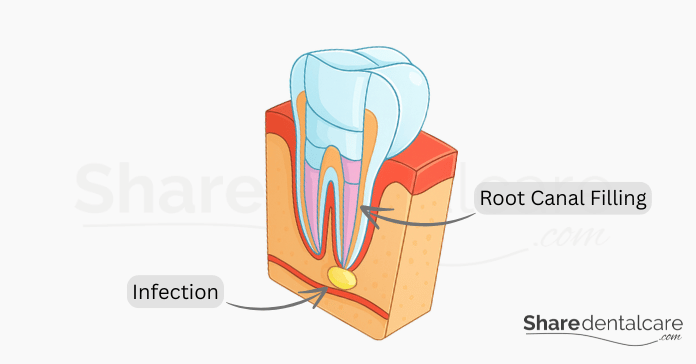
Signs You Might Need Root Canal Retreatment
Persistent or recurring symptoms are strong indicators of a failing root canal. Patients may experience tooth pain that lingers long after the first treatment, swelling around the affected tooth, a dental abscess, or signs of a new infection in the tooth, such as discomfort when chewing. Sometimes, dental pain may occur months or even years after treatment, requiring retreatment to restore comfort and oral health.
How an Endodontist Diagnoses the Need for Retreatment?
When a patient presents with symptoms after a previous root canal, an endodontist carefully evaluates the situation. The diagnosis usually involves reviewing dental or medical history, taking detailed dental X-rays, and performing a thorough clinical examination. Specialized endodontic tools may also be used to check for hidden infections or cracks. This evaluation ensures that the dentist determines whether retreatment requires reopening the tooth or whether another appropriate treatment is necessary.
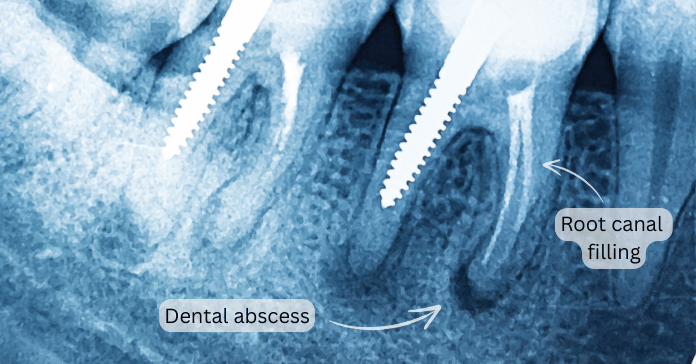
The Root Canal Retreatment Procedure
A root canal procedure is often the first line of defense to save a painful or diseased tooth, but root canals may sometimes fail to heal as expected. When this happens, an additional procedure may be able to restore the tooth by giving the dentist proper access to the root. During retreatment, the dentist reopens the tooth to gain access, clean the canals thoroughly, and remove canal filling material that may have allowed bacteria to re-enter.
This step-by-step explanation of the procedure highlights how retreatment can correct problems from the initial treatment for a variety of cases. With personalized treatment and the placement of a new crown or other restoration, patients can enjoy long-term relief and preserve their natural tooth for years instead of suffering from pain that can last months or more.
Gaining Access to the Root Canal
The first step in the retreatment procedure is to gain access to the root. The dentist removes any existing crown or filling, or in some cases works through an old crown, to reach the inner root canal system. This step ensures proper visibility and allows the dentist to evaluate the condition of the treated tooth.
Removing Old Filling Material
Next, the dentist carefully removes the old root canal filling material. Specialized instruments are used to clear away the previous filling, making it possible to reach the infected root and canal spaces. This step is crucial to ensure that the canals can be thoroughly cleaned and disinfected.
Cleaning and Disinfecting the Canals
After removing the old material, the endodontist focuses on eliminating bacteria and infection in the tooth. Using advanced tools and irrigation techniques, the canals are cleaned, shaped, and disinfected. This step ensures thorough treatment and minimizes the risk of reinfection.
Refilling and Sealing the Tooth
Once the canals are clean, the dentist places new filling material to seal them properly. A temporary filling may be used initially, followed by a permanent restoration to protect the tooth structure and prevent further damage.
Placing a New Crown or Restoration
In most cases, a new crown or filling is required after retreatment. A new crown provides strength and durability, restoring the natural function of the tooth while protecting it from cracks, decay, or future infection.
Alternatives to Root Canal Retreatment
While retreatment offers a strong chance of saving natural teeth, root canal alternatives may sometimes be more appropriate. Tooth extraction is generally the last resort, but if the tooth cannot be saved, dental implants provide a reliable replacement. Endodontic surgery may also be recommended when retreatment alone cannot resolve the infection. Each option has benefits and limitations, and the best choice depends on the condition of the affected tooth.
Risks, Success Rate, and Long-Term Outlook
Root canal retreatment offers a high success rate, especially when performed by skilled endodontists using modern techniques. While risks such as persistent infection, canal blockages, or tooth fracture exist, retreatment compares favorably to extraction or other dental procedures. With proper care and a new crown or restoration, teeth that have had root canal retreatment often last for many years, maintaining dental health and function.
Cost and Dental Insurance Coverage
The cost of root canal retreatment varies based on factors such as the complexity of canal anatomy, the need for a new crown, and whether endodontic surgery is required. Retreatment requires advanced techniques, so fees may be higher than the first treatment.
Fortunately, many dental insurance plans cover part of the cost of retreatment and new restorations. Patients should consult their provider to understand coverage and out-of-pocket expenses for this dental or medical procedure.
Aftercare and Recovery Following Retreatment
Proper aftercare helps ensure a smooth recovery and long-lasting results. Patients can minimize discomfort and protect their dental health with these steps:
- Manage Pain or Discomfort: Mild dental pain is expected after initial treatment and retreatment. Over-the-counter medication usually provides relief.
- Maintain Oral Hygiene: Brush and floss carefully around the affected tooth to prevent new infection in the tooth.
- Avoid Hard or Sticky Foods: Protect the treated tooth by not chewing on hard foods until a new crown or restoration is placed.
- Follow Up with the Dentist: Regular visits help monitor healing and ensure the tooth remains healthy.
- Proper Care with Temporary Filling: If a temporary filling is placed, patients should take care to avoid dislodging it until the permanent crown or filling is completed.
- Protect the Tooth with a New Crown: A permanent crown or other restoration adds long-term strength and reduces the need for additional procedures.
Conclusion
Root canal retreatment is a reliable way to save a natural tooth when the initial treatment does not heal as expected or when new problems develop months or even years later. By reopening the tooth, removing old filling material, and thoroughly cleaning the canals, the dentist eliminates infection. This additional procedure may be able to restore comfort and function while preserving the tooth for the long term.
Although alternatives such as extraction or dental implants exist, retreatment often provides the best chance to keep your natural teeth intact. With proper access to the root and the placement of a new crown or other restoration, patients can enjoy a strong and healthy smile while avoiding the complications of losing a tooth.
If you are experiencing pain or discomfort in a tooth that has already had root canal therapy, do not ignore it. A personalized treatment plan from an endodontist can help you address the problem before it worsens. Schedule a consultation to determine whether retreatment is right for you and take an active step toward protecting your dental health.
