When you hear the words root canal with crown, you might immediately think of pain, drills, and a long dental procedure. But in reality, this treatment is one of the most effective ways to save a tooth that would otherwise be lost to severe decay or infection. Instead of extracting the tooth, your dentist or endodontist removes the infected pulp, carefully cleans the inside of the tooth, and then restores it with a dental crown for strength and protection.
This combination not only relieves tooth pain but also helps preserve your natural tooth structure, preventing the need for more complex treatments or tooth replacement options. In this blog post, we will explain what happens during a root canal procedure, why a crown is usually needed afterward, what you can expect before and after treatment, and how proper oral hygiene can help your treated teeth last for many years.
What is a Root Canal with Crown?
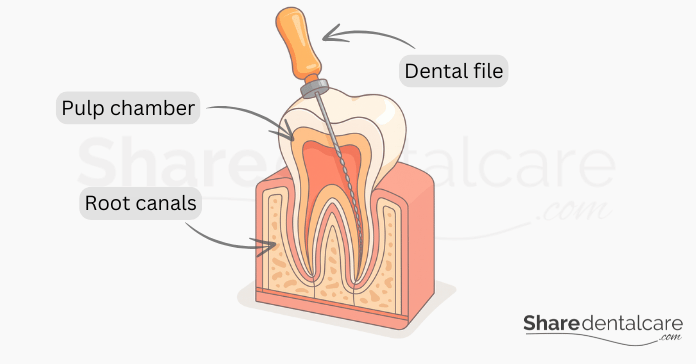
A root canal with a crown is a common dental procedure that helps save a natural tooth that has become damaged, decayed, or infected. During root canal therapy, your dentist removes the infected pulp inside your tooth, cleans and shapes the pulp chamber, and seals it to prevent further pain or infection.
Since the tooth may become weak after treatment, placing a dental crown over it adds strength and protection, restoring its natural function and appearance. A crown may be placed to keep the tooth strong for chewing and to protect it from breaking. By combining a root canal and crown, your dentist can relieve severe pain, prevent tooth extraction, and save your tooth for many years to come.
Why a Tooth May Need a Root Canal?
A tooth may need a root canal with a crown when it becomes badly damaged or infected. Common reasons include deep decay that reaches the tooth pulp, an infected tooth that causes swelling and severe pain, or a cracked or broken tooth that exposes the inside of the tooth to bacteria. In these cases, the dentist performs an endodontic procedure to remove the infected pulp, relieve the pain, and save the tooth from extraction.
Without treatment, the affected tooth may become more inflamed or decayed, leading to increased discomfort or even tooth loss. Getting a root canal crown afterward helps protect the tooth and keep it strong.
The Importance of a Dental Crown After Root Canal
After a root canal, the treated tooth often becomes weaker because the infected pulp is removed and the tooth structure is hollowed out. Without extra protection, a tooth after a root canal may crack, break, or feel discomfort when chewing. Placing a dental crown over the tooth restores its strength, protects it from further damage, and helps maintain normal function.
A crown after a root canal also improves appearance, making the tooth look natural while keeping it protected. By covering root canal–treated teeth with a crown, your dentist ensures the tooth remains strong, comfortable during daily use, and well-protected as part of your overall oral health.
Step-by-Step Root Canal with Crown Procedure
When you need a root canal with a crown, the process usually begins with a simple examination at the dental office. Your dentist explains the steps so you feel comfortable during the procedure and know what to expect. The goal is to relieve pain, remove infection, and protect your tooth with a strong dental crown so you can chew and smile normally again.
Examination and Diagnosis
The dentist first examines your tooth carefully to check for signs of damage, infection, or deep decay. X-rays are then taken to look inside the tooth and see how far the problem has spread to the pulp chamber and surrounding bone. Based on these results, the dentist confirms whether you need a root canal treatment. Once the need is clear, your dentist prepares a plan that often includes performing a root canal on the affected tooth and later placing a crown to protect it. This step ensures the tooth is saved, restored, and supported for long-term oral health.
Performing the Root Canal Procedure
During a root canal treatment, the dentist begins by numbing the tooth so you stay comfortable during the procedure. The next step is to create a small opening in the top of the tooth to reach the pulp chamber. The dentist carefully removes the infected pulp, cleans out bacteria, and shapes the root canals so they can be sealed. This endodontic procedure not only relieves pain but also protects the tooth from future infection, giving it a chance to heal and function normally again.
Crown Placement After Root Canal
Once the root canal treatment is complete, the dentist prepares your tooth for a crown to restore its strength. A temporary crown is placed first to protect the tooth while the permanent one is being made. Later, the dentist replaces it with a custom porcelain tooth crown or another type of durable crown designed to match your natural smile. This final step ensures the root canal–treated tooth is well-protected, comfortable to use, and able to last for many years.

Benefits of Root Canal with Crown for Oral Health
A root canal with a porcelain crown is more than just a way to treat pain; it’s a complete solution that restores and protects your tooth for the long term. This treatment offers several key advantages that improve both comfort and oral health:
- Relieves Pain and Discomfort: A root canal with crown removes infected pulp from inside the tooth, stopping the pain and helping you feel comfortable again.
- Saves Your Natural Tooth: Instead of pulling out a decayed tooth, this treatment cleans and restores it, keeping your natural tooth in place.
- Restores Chewing Function: Once the crown is placed over the treated tooth, you can chew, bite, and eat normally without worrying about pain or weakness.
- Protects the Tooth Structure: A dental crown may be placed to strengthen the tooth after a root canal, preventing cracks or breaks in the future.
- Improves Appearance: A porcelain or natural-looking crown blends in with your smile, giving the tooth a healthy and attractive look.
- Prevents Tooth Extraction: By saving the tooth with a crown to protect it, you avoid the need for removal and more complex dental treatments, such as dental implants or bridges.
- Supports Long-Term Oral Health: Root canal–treated teeth covered with crowns last longer and help maintain healthy gums and jawbone structure.
Recovery After Root Canal with Crown
After a root canal with a crown, most patients notice quick relief from tooth pain and can return to normal activities within a day or two. It’s common to feel mild sensitivity or slight discomfort for a short time, but this should not last long. Proper root canal recovery includes taking any prescribed medication, avoiding chewing on the treated side until the permanent crown is placed, and practicing good oral hygiene.
How Long Does a Root Canal with Crown Last?
A tooth treated with a root canal and crown can stay healthy and functional for a long time, often lasting 10 to 15 years or even longer with proper care. The crown protects the root canal–treated tooth from damage, but its longevity depends on several factors. Good oral hygiene, such as brushing twice a day, flossing daily, and regular dental checkups, helps prevent decay around the crown and supports its durability.
Avoiding habits like teeth grinding, chewing ice, or biting hard objects also makes a big difference. If you follow proper dental care and your dentist places the crown correctly, your crowned tooth can stay strong and functional for decades.
Possible Risks or Complications
A root canal with a crown is generally a safe and effective treatment, but like any dental procedure, it carries some possible risks. Sometimes, the crown may loosen or need replacement if the tooth underneath weakens or decays again. In other cases, the root canal may fail if bacteria remain or re-enter the canals, which can cause infection and pain that lasts beyond the normal healing period.
Some patients also feel pain or discomfort for a short time after the procedure, but if the discomfort doesn’t improve, it may signal a complication. You should visit your dentist if you notice swelling, pain that shouldn’t last, or if the crown feels loose.
Tips for Caring for a Tooth with a Crown
Here are some simple steps you can follow to care for a root canal with a crown and keep your treated tooth healthy. Practicing good oral hygiene and regular check-ups can prevent complications and make your crown last longer:
- Brush Gently Twice a Day: Keep your root canal-treated teeth clean by brushing with a soft-bristled toothbrush and fluoride toothpaste. This helps protect both the crown placed on the tooth and the gum around it.
- Floss Around the Crown: Carefully floss between teeth, especially near the crown, to remove food and plaque. Flossing prevents decay near the edges of the existing crown and lowers the risk of gum problems.
- Avoid Hard or Sticky Foods: Limit chewing on hard candies, ice, or sticky snacks that can damage or loosen the crown. Protecting the crown helps extend the success of your root canal with crown treatment.
- Manage Sensitivity or Discomfort: Mild soreness is normal, but you shouldn’t have pain that lasts. If you feel ongoing discomfort around a crowned tooth, visit your dentist for a check-up.
- Schedule Regular Dental Visits: See your dentist every six months for exams and professional cleaning. Regular visits help detect early issues, like a loose crown or signs of infection, and ensure proper root canal aftercare.
- Practice Healthy Habits: Avoid smoking, drink plenty of water, and maintain a balanced diet. These habits support strong gums and help the crown perform well for years.
Can a Root Canal Be Done Through a Crown?
Yes, a dentist can perform a root canal on a crowned tooth if it becomes inflamed or infected. In this situation, the dentist carefully creates a small opening in the crown to reach the inner part of the tooth and remove the infected pulp. This allows the root canal procedure that removes infected tissue to be completed without removing the existing crown.
However, the decision depends on the condition of both the crown and the tooth. If the crown is in good shape, the dentist usually keeps it and restores the small opening afterward. But if the crown is damaged, leaking, or worn down, it may need replacement after the root canal. The dentist will always evaluate whether keeping the crown or replacing it gives the tooth the best long-term protection.
Conclusion
A root canal with a crown is more than just a dental treatment; it is a solution that relieves pain, saves your natural tooth, and restores normal function. Instead of losing a damaged or decayed tooth, this procedure carefully removes the infected pulp and then protects the tooth with a crown to perform daily chewing and biting without worry. By combining both steps, you not only get rid of discomfort but also keep your smile healthy and strong for years to come.
With proper care, the treated tooth can last for many years. Good oral hygiene, regular dental visits, and avoiding harmful habits all play a major role in protecting the crown placed over a damaged or decayed tooth. While complications may occur, these risks are small compared to the long-term benefits of saving your tooth.
If you suspect you may need root canal treatment, don’t delay. A timely visit to your dentist helps prevent further problems and ensures the best outcome for your tooth. Remember, caring for your teeth after treatment is just as important as the procedure itself. By following your dentist’s advice and maintaining healthy habits, you can enjoy the lasting comfort, strength, and protection that a root canal with crown provides.
