When you get a dental filling, the first question that usually comes to mind is: how long do fillings last? A filling is one of the most common dental restorations used to repair cavities and protect natural teeth from further decay. However, just like any dental treatment, fillings do not last forever. Their lifespan depends on several factors, including the type of dental filling, your oral hygiene habits, and even the location of the tooth.
Different types of dental fillings, such as amalgam (silver fillings), composite resin (white fillings), gold, ceramic, and glass ionomer, have different strengths, weaknesses, and average lifespans. For example, silver fillings can typically last longer than white fillings, but modern tooth-colored restorations are more natural-looking and increasingly durable. According to the American Dental Association, dental fillings can last anywhere from a few years to more than 15 years with proper care.
In this post, we’ll break down the lifespan of dental fillings, factors that affect how long they last, when you might need to replace a filling, and tips to make your fillings last as long as possible. Let’s dive into everything you need to know about keeping your teeth healthy and your fillings strong.
What Is a Dental Filling?
A dental filling is a common restoration used to repair teeth that have decay, cracks, or wear damage. After removing the decayed or affected part of the tooth, your dentist places a tooth filling material to restore its shape, strength, and function. Fillings seal the treated tooth, preventing bacteria from re-entering and protecting against further damage. Since tooth fillings mimic the natural tooth structure, they help you chew, bite, and smile comfortably again. Dental fillings are among the most common dental procedures performed worldwide, making them an essential part of maintaining good oral health.
How Long Do Dental Fillings Last?
The lifespan of a dental filling varies depending on the type of filling material, the size of the restoration, and how well you care for your teeth. On average, fillings usually last between 5 and 15 years, though some may last longer with proper care. Amalgam fillings, for example, tend to last longer than composite fillings, while gold fillings can remain strong for decades. However, no filling survives forever, and they will eventually need to be replaced. Regular dental checkups are crucial to monitor the condition of your fillings and extend their life.
Factors Affecting How Long Dental Fillings Last
Several factors determine whether your fillings wear down quickly or last for many years:
- Oral Hygiene Habits: Brushing your teeth twice daily, flossing, and using fluoride toothpaste can prevent decay around fillings.
- Diet: Frequent consumption of sugary or acidic foods and drinks may weaken your fillings over time.
- Teeth Grinding (Bruxism): Grinding or clenching puts extra pressure on fillings, making them more likely to crack or wear down.
- Location of the Filling: Fillings on back teeth (molars) usually face more chewing pressure and may not last as long as those in the front.
- Size of the Filling: Larger fillings are weaker than small ones and more prone to breaking or needing replacement.
- Regular Dental Checkups: Dental exams and X-rays allow your dentist to check the condition of fillings before major issues develop.
Types of Dental Fillings and Their Lifespan
There are several types of dental fillings available, each with different strengths, weaknesses, and lifespans. Choosing the right filling depends on your dental needs, budget, and cosmetic preferences. Common types of dental fillings include:
Amalgam (Silver Fillings)
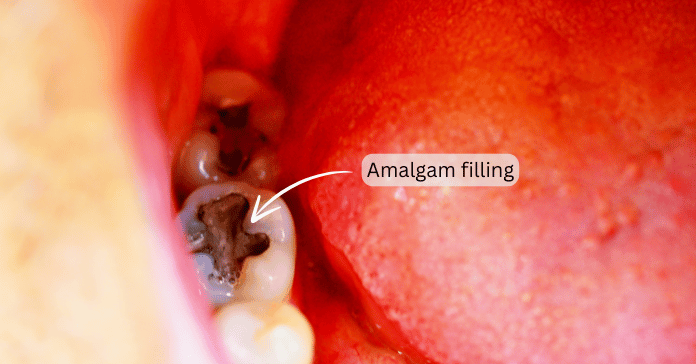
Amalgam fillings, also known as silver fillings, have been used for over a century. They typically last 10 to 15 years or longer due to their strength and durability. Many patients with amalgam fillings find they withstand chewing forces very well, especially for cavities in back teeth.
However, amalgam fillings are not tooth-colored and may be noticeable when you smile. They can also expand and contract slightly with temperature changes, which might affect the surrounding tooth structure over time. Despite its drawbacks, amalgam remains one of the most durable filling materials.
Composite Resin (White Fillings)
Composite resin fillings, often called white or tooth-colored fillings, are popular because they blend naturally with your teeth. On average, they last 5 to 10 years. Composite resin bonds directly to the tooth, which provides good support for smaller to medium-sized cavities.
Compared to amalgam, composite fillings are less durable under heavy chewing pressure and may wear down faster. However, many patients prefer them for cosmetic reasons, especially for front teeth or visible areas of the mouth.

Gold Fillings
Gold fillings are among the strongest and longest-lasting options, with a lifespan of 15 to 30 years when properly cared for. They are biocompatible and resistant to corrosion. However, gold fillings are more expensive than other types and stand out in color, which may not appeal to patients seeking natural-looking restorations.
Ceramic Fillings
Ceramic fillings, usually made of porcelain, are both strong and highly natural in appearance. They can last 10 to 15 years or more if maintained well. Ceramic is resistant to staining and blends seamlessly with natural teeth.
Although they are durable, ceramic fillings can be more brittle than gold or amalgam. They may require more of the tooth to be removed during placement, and they often cost more than composite fillings.
Glass Ionomer Fillings
Glass ionomer fillings are commonly used in children’s teeth and on non-biting surfaces, such as near the gumline. They release fluoride, which helps protect against further decay. On average, they last 3 to 5 years.
While glass ionomer fillings are useful for temporary or low-stress restorations, they are weaker than other materials and wear down faster under chewing pressure. For long-term results, they are often replaced with composite or ceramic fillings as the patient grows.
Signs It’s Time to Replace a Filling
Fillings may need to be replaced if you notice sensitivity to hot, cold, or sweet foods, pain when biting, visible cracks, or roughness in the filling. Sometimes, fillings can fall out completely. If not addressed promptly, tooth decay may spread beneath the filling, leading to more serious dental issues.
How Do Dentists Check the Condition of Your Restoration?
Dentists monitor your fillings during regular checkups by visually examining them and taking dental X-rays. These tools help identify hidden decay, cracks, or gaps around the filling that are not visible to the naked eye. Early detection ensures that fillings can be replaced before serious tooth damage occurs.
Tips to Make Your Fillings Last Longer
To extend the lifespan of your fillings, follow these practical steps:
- Brush and Floss Daily: Good oral hygiene prevents decay around fillings.
- Avoid Hard or Sticky Foods: Biting ice, hard candies, or sticky gum can damage or loosen fillings.
- Address Teeth Grinding: If you grind your teeth, ask your dentist about a night guard to protect your fillings.
- Maintain Regular Dental Checkups: Routine dental care allows your dentist to catch problems early and preserve your restorations.
- Follow a Balanced Diet: Limit sugary snacks and drinks that can weaken tooth fillings and lead to new cavities.
Can Fillings Last a Lifetime?
While some fillings may last for decades, it is rare for them to last a lifetime. All filling materials eventually wear down due to chewing forces, temperature changes, and normal aging. However, with excellent dental hygiene, a healthy diet, and consistent checkups, many patients enjoy long-lasting fillings that help maintain strong and healthy teeth for years.
Conclusion
The lifespan of fillings depends on several factors. Different types of dental fillings, such as amalgam, composite resin, gold, ceramic, and glass ionomer, each have their own strengths, weaknesses, and average lifespans. While dental amalgam may remain strong for more than a decade, natural-looking fillings like composite or glass ionomer may need replacement sooner but offer a better cosmetic result. Ultimately, no filling lasts forever, and the life of your fillings depends on oral hygiene, diet, and regular dental visits.
Even though fillings don’t last a lifetime, you can help your fillings stay strong by brushing, flossing, avoiding foods that may pull on your fillings, and visiting your dentist for checkups. Over time, fillings need to be replaced to prevent decay from spreading beneath them. Your dentist may recommend a new filling or, in some cases, a dental crown if the tooth with a filling is severely weakened.
Taking care of your teeth from the start is always the best way to avoid needing a filling in the first place, but when you do get one, proper care can make a big difference. Apply these preventive tips, follow your dentist’s advice, and you’ll not only extend the life of your fillings but also protect your overall dental health for years.
