When most people undergo a root canal, they expect the treatment to resolve the problem permanently. In fact, a successful root canal can last a lifetime with proper care. However, for some patients, problems may reappear years after the initial procedure. A root canal infection years later can cause discomfort, pain, or swelling, even if the tooth seemed perfectly fine for a long time.
This late infection can occur when bacteria re-enter the tooth, the filling or crown weakens, or hidden canals inside the tooth were missed during the original treatment. In such cases, the tooth may become reinfected, leading to old root canal infection symptoms, such as swelling, pain, or sensitivity. If left untreated, the infection may spread to surrounding tissues and compromise your dental health.
In this blog post, we’ll explore why a root canal-treated tooth can become reinfected years later, the common signs of infection, and the treatment options available, from retreatment to extraction. We’ll also look at prevention strategies to help keep your natural teeth healthy for the long term.
What Is a Root Canal and Why Is It Needed?
A root canal is a dental treatment that removes infected pulp from inside the tooth to save it from extraction. The pulp, located within the root canal system, contains nerves and blood vessels that can become inflamed due to deep decay, cracks, or trauma. During root canal therapy, the dentist or endodontist carefully cleans and disinfects the inside of the tooth, then seals it with a root canal filling material to prevent reinfection. Instead of removing the tooth, this endodontic treatment preserves the natural root and structure, allowing patients to keep chewing normally. A filling or dental crown is often placed on the treated tooth to restore strength and function.
Can a Root Canal Get Infected Years Later?
Yes, it is possible for a tooth that had a root canal treatment to become infected years later. Even though the original root canal procedure removes infected pulp and seals the inside of the tooth, a new infection can occur. Causes include new decay, a cracked crown, or lingering bacteria that were not completely removed during the initial treatment. When a root canal tooth starts hurting years later, it is often a sign that bacteria have reentered the root canal system, leading to another infection within the tooth. This is sometimes referred to as a failed root canal years later or a reinfected root canal.
Signs of Root Canal Infection Years Later
If a previously treated tooth becomes infected, patients may notice one or more of the following warning signs. Seeking early dental care is essential, as untreated infections can spread beyond the tooth root:
- Persistent Pain: Ongoing toothache that does not improve.
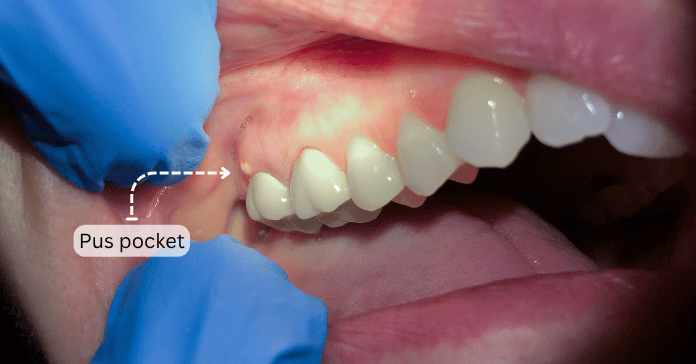
- Swelling Around the Gums: Inflammation, tenderness, or a visible bump near the treated tooth.
- Drainage or Pus: Signs of infected tissue that may create a bad taste or odor in the mouth.
- Tooth Discoloration: A tooth that has had a root canal may darken if infection returns.
- Pain While Chewing: Discomfort when biting down on the crown or filling.
- Fever or General Discomfort: If the infection spreads, it may cause systemic symptoms.
Causes of Root Canal Reinfection
Several factors can contribute to root canal failure or reinfection years after treatment. These include:
- Incomplete Cleaning During the First Procedure: Sometimes bacteria remain deep inside the canals after the initial root canal treatment.
- New Decay Around the Crown or Filling: Decay near the restoration can allow bacteria back into the tooth.
- Broken or Loose Filling/Crown: A poorly sealed crown or filling creates an opening for reinfection.
- Cracks in the Tooth: A cracked tooth after a root canal can allow bacteria to bypass the original filling.
- Complicated Root Anatomy: Some root canals are very narrow, curved, or hidden, making them difficult to fully clean during the first procedure.
- Delayed or Failed Crown Placement: If a tooth was left without proper protection after the root canal, it may become vulnerable to reinfection.
When to See a Dentist?
You should see a dentist immediately if you notice pain, swelling, or drainage near a tooth that has been treated with a root canal—even if the procedure was done years ago. A dental professional will examine the tooth, take X-rays, and determine whether the root canal becomes reinfected. Quick action is important because an infection can spread beyond the tooth root into the jawbone or surrounding tissues. Early diagnosis gives your dentist the best chance to save your tooth and control the infection before it worsens.
Treatment Options for Root Canal Infection Years Later
When a root canal gets infected years later, there are several ways to treat the tooth. The right option depends on how severe the infection is, the condition of the crown or filling, and whether retreatment is possible. Treatment options include root canal retreatment, apicoectomy (endodontic surgery), or, in more serious cases, tooth extraction and replacement. Each option aims to eliminate the infected tissue and restore oral health.
Root Canal Retreatment
Root canal retreatment is often the first choice when a tooth becomes reinfected. In this procedure, the dentist or endodontist reopens the tooth, removes the old root canal filling, and carefully cleans the canals again. New root canal filling material is then placed to seal the tooth properly. Finally, the tooth is restored with a crown or filling to protect it from further damage. Root canal retreatment gives the tooth a second chance and helps avoid extraction.
Apicoectomy (Endodontic Surgery)
If retreatment is not possible, your dentist may recommend an apicoectomy, which is a type of endodontic surgery. During this procedure, the dental professional makes a small incision in the gum to reach the root tip. The infected portion of the root and surrounding tissue is removed, and a special filling is placed at the end of the root to seal it. This option is often used when the infection remains at the tip of the root and cannot be treated from inside the tooth.
Tooth Extraction and Replacement
In cases where a tooth cannot be saved with a root canal, extraction may be the only option. After the infected tooth is removed, replacement options, such as dental implants, bridges, or partial dentures, can restore function and appearance. Although extraction ends the infection, saving a natural tooth with retreatment or surgery is usually preferred when possible.
How to Prevent Root Canal Reinfection?
While some root canal reinfections are unavoidable, patients can reduce the risk by maintaining good oral hygiene and protecting their treated tooth. Prevention strategies include:
- Regular Dental Checkups: Early detection of problems allows your dentist to treat issues before infection spreads.
- Strong Oral Hygiene Habits: Brushing twice a day, flossing daily, and using fluoride toothpaste help protect against new decay.
- Fixing Cracked Crowns or Fillings: Repairing or replacing damaged restorations prevents bacteria from entering the tooth again.
- Avoiding Tooth Decay: Limiting sugar intake, getting routine dental cleanings, and following your dentist’s advice help control decay.
- Protecting Against Tooth Injury: Wearing a mouthguard during sports reduces the chance of cracks that could reinfect the tooth.
By following these steps and working closely with a dental professional, patients can extend the life of their root canal treatment and avoid infection occurring years later.
Conclusion
A root canal infection years later can be both surprising and concerning, especially when the tooth seemed stable after the first root canal. While a treated tooth can last for many years, lingering infection, new decay, or a weakened crown can allow bacteria back inside. This can lead to pain and discomfort, swelling, or even a tooth infection that spreads to surrounding tissues. Recognizing early signs is crucial for timely treatment.
Fortunately, treatment options like root canal retreatment, apicoectomy, or even tooth extraction with replacement give patients effective solutions to save or restore their smile. With the right dental care, a tooth can still be preserved, even years after the original root canal.
The best way to protect your teeth is through prevention. Regular dental visits, repairing damaged crowns, and maintaining strong oral hygiene habits reduce the risk of reinfection. If a tooth treated with a root canal is hurting, don’t wait; consult your dentist immediately. Taking action early ensures you keep your natural teeth healthier for longer and avoid complications that may occur even years after the original treatment.
