When it comes to treating cavities, not all fillings are the same. Dentists use several types of dental fillings based on the size of the cavity, location of the tooth, and your personal preferences for appearance, durability, and cost. Understanding the different cavity filling types helps you make informed choices about your dental health and long-term care.
A cavity filling restores the shape and function of a decayed tooth by removing the damaged area and filling it with durable dental materials such as amalgam, composite resin, gold, ceramic, or glass ionomer. Each filling material offers unique benefits, from the strength of metal fillings to the natural appearance of tooth-colored ones.
In this blog post, we’ll explain the five main types of cavity fillings, how they differ, their pros and cons, how long they last, and what affects their cost. Whether you’re getting your first filling or replacing an old one, this guide will help you see which dental filling material might best suit your needs.
What Is a Dental Filling?
A dental filling is a common dental restoration used to repair teeth damaged by decay or minor fractures. When tooth decay removes part of the tooth structure, your dentist removes the decayed portion and fills the area with a special dental material. The dental filling procedure restores the tooth’s shape, function, and strength while preventing bacteria from entering and causing further tooth decay or infection. Dental fillings help protect the remaining tooth structure, allowing you to chew comfortably and maintain good dental health.
Why Do You Need a Cavity Filling?
A tooth filling is necessary when decay or wear creates holes in your teeth. You may notice symptoms such as tooth sensitivity to hot, cold, or sweet foods, sharp pain while chewing, or visible dark spots. If left untreated, these cavities can deepen, leading to severe pain, infection, or even tooth loss. Treating decay early with a filling prevents further damage, reduces time in the dental chair, and preserves your natural tooth for years to come.
Types of Cavity Fillings: Overview of Filling Materials
Dentists use several types of dental filling materials to restore decayed teeth. Each material offers unique benefits in appearance, durability, and cost. The most common types of dental fillings include amalgam, composite resin, gold, ceramic, and glass ionomer fillings. Choosing the right type depends on factors like the cavity’s location, your budget, and how natural you want your tooth to look. We will discuss the 5 different types of tooth fillings.
Amalgam Fillings (Silver Fillings)
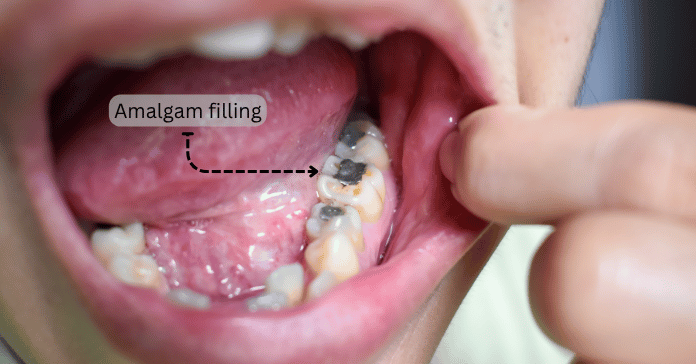
Amalgam fillings, often called silver fillings, are one of the oldest and most durable types of dental restorations. Amalgam material is made from a mixture of metals, including silver, mercury, tin, and copper. Dental amalgam has been used safely for over a century and is known for its strength and affordability. These silver-colored fillings are typically used on back teeth (molars) where chewing pressure is greatest.
Silver amalgam fillings are cost-effective and can last 10 to 15 years or longer, making them a practical choice for many patients. The American Dental Association (ADA) confirms that amalgam fillings are safe for most people. While some patients prefer tooth-colored fillings, amalgam fillings remain a reliable and efficient solution for restoring decayed teeth.
Composite Resin Fillings (Tooth-Colored Fillings)
Composite resin fillings are among the most popular cavity filling types today because they blend seamlessly with your natural tooth color. Made from a combination of resin material and fine glass particles, these fillings bond directly to the tooth enamel, preserving more of the natural tooth structure. They are ideal for visible areas, such as front teeth or small cavities. Composite fillings offer several advantages:
- Natural Appearance: They match your tooth shade, creating a smooth, aesthetic finish.
- Less Drilling: Composite resin fillings require less removal of tooth structure compared to amalgam fillings.
However, composite fillings are less durable than metal fillings and may stain over time. They typically last about 5 to 7 years, depending on oral hygiene and biting habits. If you’re unsure which filling material is best for your cavity, learn the key differences between amalgam vs composite fillings to make an informed decision.

Gold Fillings
Gold fillings are considered one of the strongest and longest-lasting options for dental restorations. They are custom-made in a dental laboratory from gold alloy and then cemented into place. Because of their durability and resistance to corrosion, gold fillings can last between 15 and 30 years with proper care.
While gold fillings are biocompatible and comfortable for chewing, they are also the most expensive option and require at least two visits to the dental office. Their noticeable gold color may also be less appealing for patients seeking a natural look.
Ceramic Fillings (Porcelain Fillings)
Ceramic fillings, also known as porcelain fillings, combine strength and beauty in one material. These fillings are made in a dental laboratory and then bonded to the tooth. Ceramic fillings are stain-resistant and closely resemble natural enamel, making them ideal for patients who want an aesthetic restoration.
They are often used for larger restorations or indirect fillings, such as dental inlays and onlays. Ceramic fillings are durable and can last 10 to 20 years with good care. Although more expensive than composite or amalgam fillings, they provide an excellent balance between appearance and function.
Glass Ionomer Fillings
Glass ionomer fillings are made from a blend of acrylic and glass powder. They are unique because they release fluoride, which helps protect the tooth from further decay. This makes them ideal for children, baby teeth, or areas with a high risk of cavities, such as near the gumline.
However, glass ionomer fillings are not as strong as other materials and tend to wear down faster. They are best suited for small cavities or temporary fillings rather than high-pressure chewing areas.
Direct vs. Indirect Cavity Filling Types
Dental fillings can be classified as direct or indirect depending on how they are made and placed. Direct fillings are completed in one dental visit. Materials such as amalgam or composite resin are placed directly into the cleaned cavity and hardened in the dental chair. This type of filling is quick, convenient, and ideal for small to medium-sized cavities.
Indirect fillings, on the other hand, are created in a dental laboratory and later cemented into the tooth. These include dental inlays, onlays, and some ceramic or gold fillings. Indirect fillings are more suitable for larger restorations or when the tooth structure is too weak to support a direct filling.

Common Problems with Cavity Filling Types
Even though dental fillings are durable, they may develop issues over time. Common problems include:
- Tooth Sensitivity: You might feel temporary sensitivity to heat, cold, or pressure after getting a new filling. It’s normal to feel mild discomfort after a dental procedure, but if you experience lingering sensitivity or pain after a cavity filling, it could signal an underlying issue.
- Chipped or Broken Fillings: Hard foods or teeth grinding can damage fillings, requiring repair or replacement.
- Loose Fillings: Over time, fillings can loosen, allowing bacteria to enter and cause further tooth decay.
- Pain When Biting: If the filling is too high, it may cause discomfort when chewing and needs adjustment.
- Discoloration or Staining: Tooth-colored fillings may darken or stain after years of use.
If you experience persistent pain, cracks, or sensitivity, visit your dentist to check whether your filling needs replacement.
Amalgam Fillings: Are They Safe?
Concerns about mercury in dental amalgam fillings have been widely studied. According to the American Dental Association, amalgam fillings are safe for most patients. The mercury in amalgam is chemically bound with other metals, making it stable. Scientific evidence shows that amalgam fillings pose no health risk when properly placed and maintained by a dentist.
How to Choose the Right Type of Dental Filling?
Choosing the best filling material depends on several factors, including your oral health needs, cosmetic preferences, and budget. Consider the following points:
- Tooth Location: Back teeth benefit from stronger materials like amalgam or gold, while front teeth need natural-looking composite or ceramic fillings.
- Size of the Cavity: Larger cavities may require indirect fillings, such as inlays or onlays, for better support.
- Appearance: Composite and ceramic fillings match your tooth color, offering a more aesthetic result.
- Cost of Filling Material: Amalgam and glass ionomer are budget-friendly, while gold and ceramic are more expensive.
- Dentist’s Recommendation: Your dentist can help determine which material suits your tooth structure and dental issues best.
- Longevity: Gold and ceramic fillings last the longest, while composite and glass ionomer fillings have shorter lifespans.
Cavity Filling Types and Their Cost
The dental filling costs vary depending on the type of filling material, the size of the cavity, and the location of the dental office. In general, tooth-colored materials like composite or ceramic fillings tend to cost more than amalgam. Some dental insurance plans may cover part of the expense for basic materials. Always ask your dentist for an estimate and discuss which option fits your dental needs and budget.
How Long Do Cavity Filling Types Last?
The lifespan of a dental filling depends on the material used, oral hygiene, and eating habits. Metal fillings, such as gold and amalgam, are the most durable, while composite and glass ionomer fillings may need earlier replacement. Regular dental checkups help detect wear or damage early.
- Amalgam Fillings: 10–15 years or more.
- Composite Fillings: 5–7 years on average.
- Gold Fillings: 15–30 years with proper care.
- Ceramic Fillings: 10–20 years, depending on placement and maintenance.
With good oral hygiene and avoiding habits like teeth grinding or chewing hard foods, your fillings last much longer, helping you avoid repeat treatments.
Caring for Your Fillings and Maintaining Dental Health
Proper care ensures your fillings last longer and your smile stays healthy. Here are key dental care tips:
- Brush Twice Daily: Use fluoride toothpaste to strengthen tooth enamel and prevent new decay.
- Floss Every Day: Remove food particles between teeth and around fillings to prevent plaque buildup.
- Avoid Hard or Sticky Foods: These can damage or pull out fillings. Visit your dentist if your cavity filling fell out.
- Visit Your Dentist Regularly: Schedule dental checkups every six months to monitor the condition of your fillings.
- Use a Mouthguard if You Grind Teeth: It protects both natural teeth and fillings from pressure damage.
- Limit Sugary Snacks and Drinks: Reduces bacteria and acid that can lead to further cavities.
Maintaining good dental hygiene and visiting your dentist regularly helps your cavity fillings last for years, keeping your smile strong, healthy, and cavity-free.
Conclusion
Choosing the right cavity filling type is essential for maintaining both your dental health and confidence in your smile. From traditional amalgam fillings known for strength and affordability to modern composite and ceramic fillings that offer a natural look, each material has its own advantages depending on your needs. Understanding how dental fillings are used, how long they last, and the role they play in preventing further tooth decay empowers you to make informed choices about your oral care.
No matter which material you choose, getting dental fillings promptly helps protect the decayed portion of the tooth and prevents the spread of bacteria. Regular checkups, good oral hygiene, and professional care ensure that your fillings last longer and your teeth stay strong. If you’re unsure which option is best, talk to your dentist; they can recommend what dental filling material might suit your tooth structure, lifestyle, and budget.
Remember, treating cavities early takes less time in the dental chair and saves you from more complex procedures like crowns or dental implants later on. Keep up with preventive care, follow your dentist’s advice, and see what dental services or dental offers are available to help you maintain a healthy, confident smile.
