A fractured tooth repair is one of the most common reasons patients seek urgent dental care, especially when a chip or break happens suddenly. Whether it’s caused by biting something hard, weakened tooth enamel, or an accident, a cracked or broken tooth can expose the inner layers of the tooth and lead to tooth pain or further tooth damage. Because damaged teeth can worsen quickly, dentists always recommend visiting as soon as possible to protect the affected tooth.
A chipped or broken tooth may look small on the surface of the tooth, but tooth cracks often run deeper than they appear. If left untreated, fractured teeth can progress into root fractures, tooth infection, or even tooth loss. That’s why a dentist will carefully examine your tooth, check for a crack in your tooth, and decide whether you need a dental filling, dental veneer, dental crown, or root canal therapy to fix a broken tooth and restore full function.
Choosing the right tooth treatment depends on the type of break, the remaining tooth structure, and whether the tooth has been damaged enough to need a crown or even a dental implant. In this guide, we’ll walk through causes, symptoms, treatment options, cracked tooth repair methods, and what to expect after the procedure so you can understand how dentists repair damaged or broken teeth safely and effectively.
Understanding Fractured Tooth Repair and Tooth Damage
Fractured teeth occur when part of the natural tooth structure cracks, chips, or breaks due to trauma, grinding, weakened enamel, or biting hard objects. These cracks can spread deeper over time, affecting the dentin and pulp, which increases the risk of pain and infection. Repairing a chipped or broken tooth quickly is essential because even a small piece of tooth missing can allow bacteria to enter and cause a cracked tooth to worsen.
Early fractured tooth repair or any attempt to repair a fractured tooth helps protect the remaining structure and restores normal function. Treating damage promptly prevents complications, such as nerve irritation, vertical root fractures, and potential tooth extraction.

Types of Tooth Cracks and How Dentists Repair Them
Different types of cracked teeth require different dental treatments, and understanding these variations helps determine how dentists restore strength, comfort, and function.
- Craze Lines: These shallow cracks affect only the enamel and rarely cause pain; a dentist may smooth or polish the enamel to improve appearance.
- Minor Chips: A small broken or chipped area on the edge of the tooth is often repaired with dental bonding or a filling to protect the tooth’s back surface.
- Fractured Cusps: These are pieces of chewing surface that break off near the top of the tooth; the dentist will usually restore them with a crown to protect the tooth.
- Cracked Tooth Syndrome: A crack running from the top of the tooth downward may cause pain when chewing; treatment may include bonding, a crown, or root canal treatment if the pulp becomes affected.
- Vertical Root Fracture: A serious break that begins at the root and may require the tooth to be extracted because repairing a chipped or broken root is not possible.
- Split Tooth: A severe condition where the tooth breaks into distinct segments; the dentist may salvage part of the tooth, but extraction is often necessary for complete comfort.
Symptoms of a Cracked Tooth or Broken Tooth
When a tooth is cracked or broken, you may notice sharp pain when chewing, discomfort when releasing bite pressure, or sensitivity to hot, cold, or sweet foods. Some people feel pain only occasionally, while others experience ongoing tooth hurt symptoms that worsen over time. A broken or cracked tooth may also show visible lines, rough edges, or a missing piece of tooth. If the pulp becomes irritated or exposed, additional symptoms, such as throbbing or swelling, may develop. Any of these signs requires seeing a dentist as soon as possible to prevent more serious damage or infection.
Causes of a Cracked or Broken Tooth
Several daily habits and conditions can weaken tooth structure and increase the risk of cracks.
- Teeth Grinding: Clenching or grinding your teeth can place constant pressure that may cause a cracked tooth or fractured cusps.
- Biting Hard Objects: Crunching on ice, hard candy, or pens can make a tooth break unexpectedly.
- Trauma or Injury: Accidents, sports impacts, or sudden falls may cause pain, swelling, or a broken or cracked tooth.
- Weakened Enamel: Cavities, aging, or large fillings weaken enamel and increase the chance that part of the tooth will chip.
- Temperature Stress: Switching quickly from hot to cold foods can stress enamel and cause a tooth to fracture.
- Poor Chewing Habits: Using teeth to open packages or bottles can lead to sudden tooth damage.
When Fractured Tooth Repair Becomes a Dental Emergency?
A fractured tooth becomes a dental emergency when severe pain, swelling, bleeding, or exposed pulp suggests infection or rapid deterioration. If the tooth is broken deeply, cannot close properly, or causes difficulty chewing, immediate evaluation is needed. A cracked tooth that reaches the nerve is considered a dental emergency, as bacteria can quickly enter the pulp and lead to a painful infection.
Immediate care is also necessary if a large part of the tooth breaks off or if there is a risk of the tooth needing to be extracted. Seeking urgent treatment helps protect the tooth and prevents serious complications.
How Do Dentists Examine Your Tooth Before Treatment?
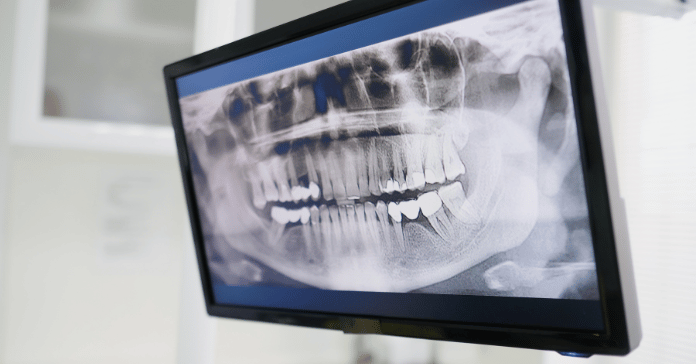
Before deciding how to repair a fractured or chipped tooth, your dentist performs a detailed exam using X-rays, bite tests, and visual inspection to assess the depth of the crack. These tests help identify whether the pulp is involved, whether part of the tooth is loose, and if the fracture extends to the root.
The dentist will use special lighting, magnification, or dye to highlight hidden cracks that affect treatment planning. Bite tests help determine if pressure causes pain, which is a key sign of cracked tooth syndrome. After locating the problem, your dentist explains the best dental treatments to protect the tooth and restore function.
Fractured Tooth Repair Options for Damaged Teeth
Depending on how severe the crack or break is, dentists use several methods to restore the tooth’s appearance and function.
- Dental Bonding or Filling: Ideal for small chips or cracks; composite resin is shaped to restore missing areas and protect the tooth.
- Veneers: Porcelain or composite veneers cover the front teeth to fix cosmetic and minor structural damage.
- Dental Crowns: Placed over the tooth to protect weakened structure, especially when a large portion is missing.
- Root Canal Therapy: Root canal treatment for a cracked tooth is recommended when the crack reaches deep inside the tooth, and the pulp is damaged or infected.
- Dental Implants: Recommended when the tooth breaks severely or extraction becomes necessary.
Dental Filling or Bonding to Repair a Broken Tooth
Dental fillings or bonding are suitable for small chips and shallow cracks that do not involve the pulp. During bonding, the dentist first etches the tooth to create a textured surface that helps resin adhere strongly. The material is shaped to match the missing piece of tooth and then cured with light to secure it. This method restores appearance while preventing bacteria from entering vulnerable areas. It is a quick and effective option for minor fractures.
Dental Veneer for Front Teeth with Cosmetic Chips
Veneers are ideal for front teeth that have cosmetic chips or minor structural damage because they provide both aesthetic and functional improvement. The dentist may gently grind the enamel surface to make room for the veneer before taking an impression of the tooth. Porcelain veneers blend naturally with your smile and offer long-lasting durability. They help protect the tooth from future chips or cracks. Veneers are often chosen when bonding alone cannot achieve an ideal cosmetic result.
Dental Crown for Larger Broken or Cracked Teeth
A dental crown is recommended when the tooth is broken significantly or when fractured cusps compromise the chewing surface. The dentist will usually remove weak areas, shape the tooth, and place a temporary crown while the final one is made. A crown covers the entire top of the tooth, restoring strength and protecting deeper layers. Crowns are especially important when cracks threaten the pulp or when the tooth is at risk of breaking further. They are one of the most reliable ways to repair a broken tooth.

Root Canal Therapy for Deep Cracks or Infection
Root canal treatment is needed when a crack reaches the pulp, causing pain, inflammation, or infection. During a cracked tooth root canal, the dentist removes the damaged pulp to eliminate bacteria and prevent further complications. After cleaning the canals, the tooth is sealed and restored with a crown to protect the remaining structure. This treatment helps save the tooth from extraction and restores normal chewing function. A root canal to remove infection preserves your natural tooth for many years.
Dental Implant if the Tooth Cannot Be Saved
If the fracture is too deep, such as a vertical root crack, the tooth may need to be extracted and replaced with a dental implant. Implants act as artificial teeth and prevent bone loss after extraction. The dentist places a titanium post in the jaw, followed by a crown placed over the tooth space once healing occurs. This option is chosen when the tooth is broken beyond repair or when it causes persistent pain. An implant provides long-term stability and restores normal function.
How Do Dentists Repair a Broken or Cracked Tooth?
Fractured tooth repair begins with a thorough examination and diagnosis to determine the extent of the damage. After assessing the tooth, the dentist administers local anesthesia to ensure comfort during the procedure. Depending on the type of crack or break, the dentist may smooth sharp edges, remove decay, or stabilize part of the tooth before placing the final restoration. This step ensures the tooth is prepared properly for bonding, a filling, a veneer, a crown, or root canal treatment. Each procedure aims to protect the tooth and prevent further structural loss.
Once the tooth is prepared, the dentist will use resin, porcelain, or crown materials to restore shape, strength, and function. Bonding and fillings are applied in layers and light-cured for durability, while crowns and veneers require impressions of the tooth before placement. If the pulp is involved, root canal therapy is completed before restoring the tooth. After the restoration is secured, the dentist checks your bite to ensure proper alignment and comfort when chewing. This step-by-step process helps the dentist repair and preserve the tooth effectively.
Recovery After Fractured Tooth Repair
Healing after fractured tooth repair varies depending on the treatment, but most patients experience mild soreness for a few days. Over-the-counter medication helps manage pain, especially after root canal therapy or crown placement. It is important to avoid chewing hard foods on the repaired tooth until your dentist confirms full stability. Some temporary sensitivity to cold or pressure is normal as the tooth adjusts to the new restoration. Regular dental checkups ensure the repaired tooth continues to function properly.
Possible Risks and Complications After Repair
Even with proper treatment, cracked teeth can sometimes have incomplete fractures that extend deeper over time. Mild sensitivity after repair is common, especially when biting or consuming hot or cold foods. In rare cases, cracks worsen and require additional treatment or extraction. A severely broken tooth may have a reduced long-term prognosis due to weakened internal structure. Consistent monitoring and good oral habits help reduce complications.
How to Prevent Cracked Teeth and Broken Teeth in the Future?
You can significantly reduce the risk of future fractures by adopting protective habits and maintaining regular dental care.
- Avoid Hard Foods: Prevent cracks by avoiding hard candy, ice, and unpopped popcorn kernels.
- Wear a Night Guard: Protect your teeth if you grind your teeth while sleeping.
- Use Proper Chewing Habits: Do not use teeth as tools to open packages or bite hard objects.
- Maintain Strong Enamel: Use fluoride toothpaste and limit acidic foods to keep enamel healthy.
- Regular Dental Checkups: See your dentist regularly to detect early signs of fractures.
- Address Cavities Early: Repair decay promptly to prevent weak areas that can break.
- Protect Teeth During Sports: Wear a mouthguard during activities that risk facial injury.
When to See a Dentist for Tooth Pain or Tooth Damage?
You should talk to your dentist as soon as possible if you experience tooth pain, sensitivity, visible cracks, or pieces of tooth breaking off. Delaying treatment increases the chances that the tooth can become infected or may need to be extracted. Seek dental care quickly if you notice swelling, throbbing pain, or difficulty chewing. These are signs that the damage is progressing and requires immediate attention. Early intervention helps protect your natural tooth and prevents more complex treatments later.
Conclusion
A fractured tooth repair is essential for protecting your smile, especially since a cracked or broken tooth can worsen quickly if left untreated. As this guide explains, a fractured tooth may seem minor at first, but deeper cracks can spread, irritate the pulp, or even threaten the long-term health of the tooth. Understanding the causes, symptoms, and different cracked tooth treatment options helps you know what to expect and why fast care makes such a big difference.
From simple bonding for small chips to crowns, root canal therapy, or even implants for severe fractures, dentists choose the treatment based on how far the damage extends. A fractured tooth is a dental emergency when it causes severe pain, swelling, or exposes deeper layers. Early evaluation ensures the dentist can restore strength, comfort, and full function before the tooth structure weakens further.
Preventing future fractures starts with protecting your enamel, avoiding hard foods, addressing grinding, and maintaining regular checkups. If you notice any new pain, sensitivity, or visible cracks, see your dentist as soon as possible; early action gives your tooth the best chance of recovery. With the right habits and timely treatment, fractured tooth repair helps preserve your natural teeth and keeps your smile healthy, strong, and pain-free.
