An exposed nerve in tooth can cause sharp or severe pain that feels sudden and hard to ignore. Many people worry that this pain means serious damage, but that is not always the case. In simple terms, the nerve becomes sensitive when the protective layers of enamel and dentin wear down or break, allowing the dental pulp with blood vessels and nerves to react to cold, heat, or pressure.
This nerve exposure often happens because of tooth decay, a cavity, gum recession, or a broken tooth. When the nerve becomes exposed, even brushing, flossing, or breathing in cold air can trigger tooth pain. The good news is that dentists see this dental issue often, and there are clear treatment options that can relieve pain and protect the tooth structure.
Below, we explain how a tooth nerve becomes exposed, what signs and symptoms to watch for, and when dental care is needed. You will also learn how dentists decide on the best treatment and what you can do to protect your oral health moving forward.
What Does an Exposed Nerve in a Tooth Mean?
An exposed nerve in a tooth happens when the protective outer layers no longer cover the inner nerve. Normally, enamel covers the entire tooth, with dentin beneath it protecting the dental pulp that contains blood vessels and nerves. When a portion of the tooth structure wears down or breaks, the nerve in a tooth becomes exposed and reacts strongly to temperature, pressure, or sweets. This exposure explains why people feel sharp pain, intense tooth discomfort, or sudden pain in their tooth during daily activities. Because the nerve is crucial and plays a vital role in tooth health, even minor exposure can quickly lead to pain and sensitivity. To understand why an exposed nerve causes sharp pain, it helps to know the basic anatomy of a tooth and how the nerve is protected inside it.

How a Tooth Nerve Becomes Exposed
A tooth nerve becomes exposed when damage removes the layers that protect it, either slowly over time or suddenly after injury. Dentists commonly see several causes that lead to nerve exposure and dental pain:
- Loss of Protective Layers: When enamel and dentin wear down, the bulk of the tooth can no longer shield the inner nerve, which may lead to nerve exposure.
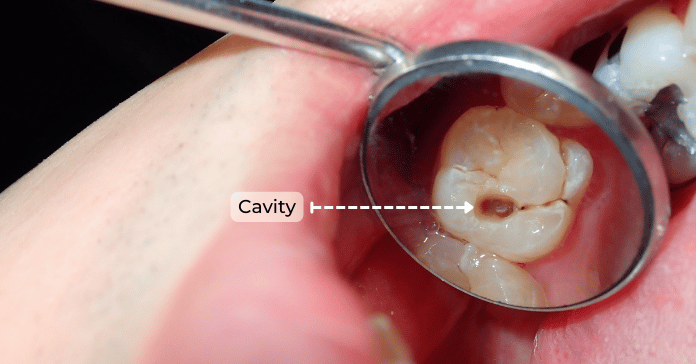
- Tooth Decay Progression: A cavity can move deeper into the portion of the tooth until it exposes the dental pulp and causes tooth nerve pain.
- Physical Damage: A cracked or broken tooth can expose the nerve suddenly and cause intense pain.
- Gum Recession: When gum tissue pulls back, the tooth root becomes exposed due to loss of coverage.
- Poor Oral Hygiene: Inadequate brushing and flossing can lead to decay and gum problems that expose the nerve over time.
Enamel and Dentin Damage
Enamel and dentin damage often happens from tooth decay, grinding, or aggressive brushing habits. As these layers thin out, they can no longer protect the exposed tooth nerve from hot, cold, or pressure. Once the nerve is exposed, even light contact can trigger sharp pain or a jolt of pain. This type of damage often develops gradually, which is why early dental care helps prevent nerve damage.
Gum Recession and Nerve Exposure
Gum recession exposes the tooth root, which lacks the thick enamel found on the crown of the tooth. When this happens, the exposed tooth nerve becomes sensitive and causes pain and sensitivity during eating or brushing. Gum recession may occur due to brushing too hard, gum disease, or aging. Without protecting the exposed nerve, discomfort can worsen and lead to serious dental problems.
Tooth Decay and Cavities
Tooth decay starts on the surface but can move deeper into enamel and dentin if untreated. As decay progresses, it can reach the dental pulp, which contains blood vessels and nerves. Once decay reaches this inner area, it often causes intense pain and sensitivity. This process explains how cavities lead to nerve exposure and serious dental pain.
Broken or Cracked Tooth
A broken tooth or cracked tooth can expose the nerve suddenly, often after biting on something hard or experiencing trauma. This type of exposure causes immediate and sometimes excruciating pain in the affected tooth. Depending on the extent of the damage, treatment may involve filling, bonding, or more advanced care. Prompt treatment helps prevent further nerve damage or tooth loss.
Signs and Symptoms of an Exposed Tooth Nerve
The symptoms of an exposed nerve can vary depending on the severity of the exposure and overall oral health. Common signs include:
- Sharp or Shooting Pain: A sudden jolt of pain when eating, drinking, or breathing in cold air is a common sign of an exposed nerve.
- Ongoing Tooth Pain: Persistent pain in the affected tooth may indicate deeper nerve involvement.
- Increased Sensitivity: Pain and sensitivity to hot, cold, sweet, or pressure often point to nerve exposure.
- Intense Discomfort: Severe or intense pain may signal nerve damage or an infected pulp.
- Pain During Brushing: Discomfort while brushing or flossing can occur when the nerve is exposed.
Sharp Pain and Sensitivity
Sharp pain and sensitivity occur because the nerve reacts directly to external stimuli. When cold, hot, or sweet foods touch exposed dentin, they send signals straight to the inner nerve. This reaction explains the sudden, intense tooth discomfort many people feel. The pain may be brief, but it often repeats until the nerve is protected again.
Ongoing or Severe Tooth Pain
When pain becomes constant or severe, it may indicate an infected pulp or nerve that is severely affected. This type of pain does not fade quickly and can worsen over time. Ongoing dental pain may also suggest a serious dental issue that requires prompt care. In these cases, waiting too long can lead to dental emergencies.

Is an Exposed Nerve in a Tooth a Dental Emergency
An exposed nerve in a tooth is not always an emergency, but it should never be ignored. Mild pain that comes and goes may allow time to schedule a dental visit. However, intense pain, swelling, or signs of infection mean the condition can quickly turn serious. Knowing when to act helps protect the tooth and prevent further damage.
When to See a Dentist Right Away?
You should see a dentist right away if pain becomes severe, swelling develops, or the discomfort spreads beyond the affected tooth. These signs may indicate nerve damage or infection. Prompt treatment helps prevent complications such as tooth loss or the need for tooth replacement options. Early care often leads to more effective treatment and faster relief.
How Dentists Diagnose Tooth Nerve Exposure?
Dentists diagnose tooth nerve exposure by examining the affected tooth and asking about symptoms. X-rays help show decay, cracks, or changes in the dental pulp. The dentist may test sensitivity to temperature or pressure to confirm nerve involvement. This evaluation allows the dentist to create a clear treatment plan based on the extent of the damage.

Treatment Options for Exposed Tooth Nerve
Treatment options for exposed tooth nerve focus on sealing the tooth, reducing pain, and restoring oral health. Dentists choose treatment based on how much of the nerve is exposed and whether infection is present:
- Protective Fillings or Bonding: A filling or bonding material seals the tooth and protects the exposed nerve from irritation.
- Root Canal Treatment: When the nerve is severely damaged or infected, treatment involves removing the infected pulp and sealing the tooth.
- Temporary Pain Control: Pain relief measures help manage discomfort until definitive treatment is completed.
- Customized Treatment Plan: Dentists select the best treatment depending on the severity and location of the nerve exposure.
Dental Fillings or Bonding
Dental fillings or bonding materials cover exposed dentin and seal the tooth structure. This protection reduces pain and sensitivity by blocking direct contact with the nerve. These treatments work well when damage is limited and the nerve is still healthy. They also help restore function and prevent further exposure.
Root Canal Treatment
Root canal treatment is needed when the inner nerve becomes infected or severely damaged, causing a dental abscess. During this procedure, the dentist removes the infected pulp, cleans the inside of the tooth, and seals the tooth to stop pain. A root canal relieves intense pain and prevents the infection from spreading. This effective treatment often saves the natural tooth.
Pain Relief While Waiting for Treatment
While waiting for dental care, pain relief focuses on reducing discomfort without causing further harm. Over-the-counter pain relievers can help manage dental pain when used as directed. Avoiding very hot, cold, or sweet foods also helps reduce pain. These steps offer temporary relief but do not replace professional treatment.
Dealing With an Exposed Nerve After Treatment
After treatment, some sensitivity may remain for a short time as the tooth heals. Protecting the exposed nerve area and following your dentist’s instructions helps with recovery. Most people notice steady improvement within days or weeks. Maintaining good oral hygiene supports healing and long-term comfort.
Risks of Leaving a Tooth Nerve Exposed
Leaving a tooth nerve exposed can lead to worsening pain, nerve damage, or infected pulp. Over time, this can result in tooth loss or the need for tooth replacement options. Untreated nerve exposure increases the risk of dental emergencies and serious dental complications. Prompt treatment protects both the tooth and overall oral health.
How to Prevent an Exposed Nerve in a Tooth?
Preventing nerve exposure focuses on protecting enamel, dentin, and gum tissue through daily care and early treatment. Key prevention steps include:
- Gentle Brushing Techniques: Using a soft brush helps prevent enamel wear and gum recession.
- Regular Dental Visits: Routine checkups catch problems before they expose the nerve.
- Cavity Prevention: Treating decay early helps prevent nerve exposure.
- Protective Dental Care: Mouthguards and early repairs protect the tooth structure.
Daily Dental Care Habits
Daily dental care habits, such as brushing and flossing, play a major role in preventing exposed nerves. Gentle brushing protects enamel and dentin, while flossing removes plaque between teeth. Good oral hygiene lowers the risk of decay and gum problems. These habits help maintain dental health and comfort.
Protecting Overall Oral Health
Protecting overall oral health means addressing dental issues early and following a consistent care routine. Regular cleanings and prompt treatment of cavities prevent nerve exposure. Healthy gums and strong enamel reduce the risk of pain and sensitivity. Ongoing dental care keeps teeth strong and functional.
Final Thoughts on Exposed Nerve in Tooth
An exposed nerve in a tooth can explain sudden pain in your tooth that feels sharp, intense, or hard to ignore. In most cases, this discomfort happens when enamel or dentin wears down, which causes an exposed nerve and leaves the inner tooth sensitive to heat, cold, or pressure. Common causes of tooth problems like decay, gum recession, or a cracked tooth can all lead to nerve exposure. When the nerve is exposed, even simple actions like eating or brushing may trigger dental pain. Understanding what causes an exposed nerve helps reduce worry and makes it easier to deal with an exposed tooth calmly and correctly.
The good news is that the discomfort of an exposed tooth does not mean you are out of options. Early care can protect the tooth to prevent further damage and lower the risk of serious dental issues. Good oral hygiene, gentle brushing, and regular dental visits help prevent exposed nerves and future pain. If the nerve can cause ongoing pain or becomes worse, it is important to see a dentist for the right treatment. Taking action early helps protect your tooth, ease pain, and keep your smile healthy.
