Tooth Decay: Causes, Signs, and How to Stop the Decay Process 

Tooth decay is one of the most common dental problems worldwide, affecting people of all ages, from children with baby teeth to adults with permanent teeth. It begins quietly, as bacteria in your mouth feed on sugars from foods and drinks, producing acids that slowly erode the tooth enamel. Over time, this process can lead to the formation of cavities, pain, and even tooth loss if left untreated.

While tooth decay may seem like a simple issue, it’s actually the result of a complex process involving oral bacteria, diet, and hygiene habits. The good news is that with proper oral care, including regular brushing with fluoride toothpaste, dental checkups, and healthy eating habits, you can help prevent cavities and stop early decay before it causes serious damage.

In this guide, we’ll explain how the tooth decay process develops, the signs to watch for, treatment options available, and the best ways to prevent cavities in both adults and children.

What Is Tooth Decay?

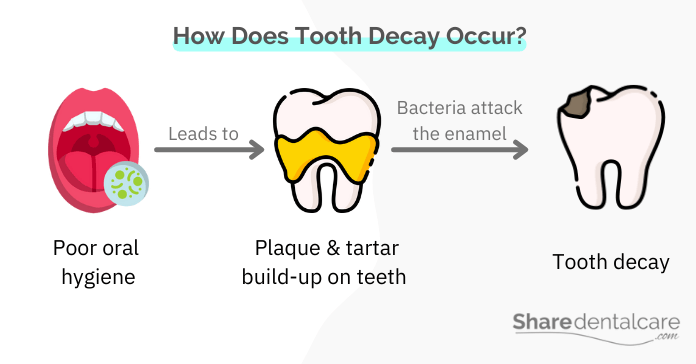
Tooth decay, also known as dental caries, is a common oral health problem that occurs when bacteria in your mouth produce acids that damage the tooth enamel. This process begins when food particles, especially sugars and starches, mix with bacteria and saliva to form plaque on the tooth surface. Over time, acids in plaque attack the enamel, leading to dental decay. If untreated, the decay can spread deeper into the tooth, reaching the dentin and even the pulp, causing pain and infection. Poor oral hygiene, frequent snacking, and inadequate fluoride exposure are major factors that lead to tooth decay and cavities.

The Tooth Decay Process Explained

The tooth decay process starts when sticky plaque forms on the teeth. Bacteria in the plaque feed on sugars from food and drinks, producing acids that gradually dissolve minerals from the enamel, a process called demineralization. If acid attacks continue, the enamel weakens and tiny holes or cavities begin to form. As the decay progresses, it can affect the tooth root, especially if the gums have receded, exposing vulnerable areas. Without proper oral hygiene and fluoride treatment, the decay can advance rapidly and cause severe dental problems.

Early Signs of Tooth Decay

Recognizing the first signs of tooth decay is essential to stop or reverse the damage before it worsens. Early-stage decay often shows up as:

  • White Spots: The first visible sign of enamel demineralization.
  • Mild Tooth Sensitivity: Especially to sweets, cold, or heat.
  • Slight Discoloration: Yellow or brown areas on the tooth surface.

At this stage, the damage may still be reversible with good oral hygiene and fluoride treatment to restore lost minerals.

Advanced Tooth Decay Stages

As tooth decay advances, it penetrates the deeper layers of the tooth. When the decay reaches the dentin, sensitivity and pain increase. If left untreated, bacteria can infect the pulp, causing inflammation and potentially leading to an abscess. Dark discoloration, bad breath, and constant tooth pain are warning signs of rotten teeth that require immediate dental attention.

Severe cases may require root canal therapy or tooth extraction. Advanced tooth decay can lead to tooth loss, gum disease, and other oral health complications if not treated promptly by a dentist.

Close-up image showing dark brown tooth discoloration as a sign of tooth decay.
Dark discoloration is a warning sign of dental caries.

Symptoms and Causes of Tooth Decay

Tooth decay or dental caries develops from a combination of bacteria, frequent snacking, and poor brushing habits. When bacteria feed on sugars, they produce acid that breaks down tooth enamel. Over time, this process can lead to a hole in a tooth and a serious infection. Common symptoms include:

  • Tooth Pain: Especially when eating or drinking hot, cold, or sweet items.
  • Bad Breath: Caused by bacterial buildup.
  • Visible Holes or Pits: Indicate advanced decay.
  • Tooth Sensitivity: Early sign of enamel breakdown.
  • Dark Spots or Stains: Indicate decayed areas.

Common Risk Factors

Some people are more likely to develop tooth decay due to certain conditions or habits:

  • Children and Adolescents: They are more prone to cavities because their enamel is thinner and their diets often include sugary snacks.
  • Dry Mouth (Xerostomia): Lack of saliva reduces natural acid neutralization.
  • Gum Recession: Exposed roots are more vulnerable to decay.
  • Poor Oral Hygiene: Not brushing and flossing daily allows plaque buildup.
  • Frequent Snacking: Constant sugar exposure fuels bacterial acid production.
  • Lack of Fluoride: Reduces the enamel’s ability to resist acid attacks.

Tooth Decay in Children

Tooth decay in children can progress quickly and affect both baby and permanent teeth. One of the most common forms is baby bottle tooth decay, caused by prolonged exposure to sugary liquids like milk or juice. Bacteria in the mouth use these sugars to produce acids that damage tooth enamel.

White spots or brown discoloration on baby teeth may be early signs of cavities in toddlers that need a pediatric dentist’s attention. Early dental visits and brushing with fluoride toothpaste can help protect your child’s teeth and prevent future problems.

Preventing Dental Caries in Children

Parents can take several steps to help prevent tooth decay and protect their child’s teeth:

  • Encourage Proper Brushing: Teach children to brush twice a day with fluoride toothpaste.
  • Limit Sugary Foods and Drinks: Reduce candies, soft drinks, and sweet snacks.
  • Avoid Bedtime Bottles: Don’t let children sleep with milk or juice bottles.
  • Use Dental Sealants: A dentist can apply sealants to the chewing surfaces to prevent cavities in children.
  • Promote a Balanced Diet: Include calcium-rich foods that strengthen enamel.
  • Schedule Regular Dental Visits: Early checkups help identify early tooth decay. Pediatric dentists often recommend fluoride treatment for kids as part of routine checkups to prevent tooth decay.

When to See a Dentist?

You should see a dentist if you notice persistent tooth pain, sensitivity, visible holes, or discoloration. A professional dental exam and X-rays can detect areas of tooth decay not visible to the eye. Regular dental checkups also help prevent advanced tooth decay and other oral diseases by addressing problems early before they worsen.

Can Tooth Decay Be Reversed?

In its early stages, tooth decay can be stopped or reversed through proper care. When the enamel shows early demineralization (white spots), using fluoride toothpaste or professional fluoride treatment for adults can restore lost minerals. Improved brushing, flossing, and limiting sugar intake allow the enamel to repair itself naturally. However, once a cavity forms, professional dental treatment is required to restore the tooth structure.

Stages of Tooth Decay

Understanding the stages of tooth decay helps you act early before serious damage occurs:

  • White Spot (Early Demineralization): The first sign of mineral loss. Fluoride can help reverse tooth decay at its early stage.
  • Enamel Decay: Small cavities form as acids break through the enamel surface.
  • Dentin Decay: The decay spreads deeper, causing tooth sensitivity and pain.
  • Pulp Damage: Infection reaches the pulp, leading to inflammation and possible abscess.
  • Abscess and Tooth Loss: If left untreated, infection may cause severe pain, swelling, and tooth loss.

Fluoride treatment can help reverse the early stage, but advanced stages require fillings or other dental treatments.

Treatments for Tooth Decay

The right treatment depends on how far the decay in the permanent teeth or baby teeth has progressed. Modern dentistry offers several safe and effective ways to restore a tooth with a cavity and help prevent tooth decay from progressing:

  • Fluoride Treatment: Ideal for early stages when minerals begin to erode. Fluoride helps reverse the decay and strengthen enamel before cavities can form.
  • Dental Fillings: Used to restore a tooth with a cavity after removing all decayed tissue. This stops bacteria from spreading and helps avoid a cavity from worsening.
  • Dental Crowns: When decay worsens and damages a large portion of the tooth, a crown covers and protects it, preventing further dental decay in the permanent teeth.
  • Root Canal Therapy: Necessary for severe tooth decay that reaches the pulp. The infected tissue is removed to save the natural tooth and prevent decay on the exposed root.
  • Tooth Extraction: If damage is beyond repair, removing the missing tooth prevents infection from spreading to nearby teeth. A dental bridge or implant can later restore function and aesthetics.
Before and after image showing tooth decay treated with a dental filling.
Before and after dental filling to treat tooth decay.

How to Prevent Tooth Decay?

Preventing tooth decay is easier and less costly than treating it. The Centers for Disease Control and Prevention emphasizes good oral hygiene, fluoride treatments, and routine checkups to help prevent tooth decay and gum disease. 

  • Brush Twice Daily: Use fluoride toothpaste to strengthen enamel.
  • Floss Every Day: Remove plaque between teeth where a brush can’t reach.
  • Reduce Sugar Intake: Limit sweets, sodas, and starchy foods.
  • Regular Dental Visits: Professional cleanings every six months help detect early decay.
  • Use Dental Sealants: Protect the chewing surfaces in children and adults.
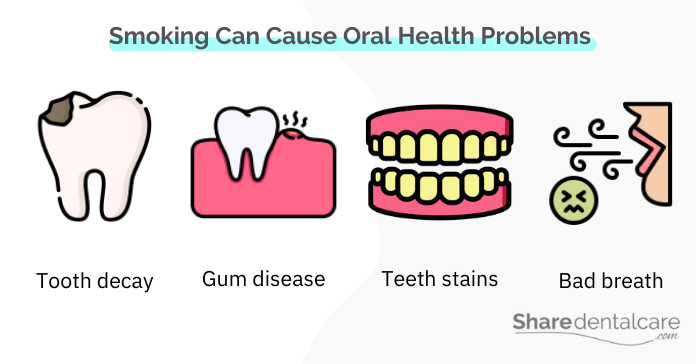
  • Avoid Smoking and Alcohol: These can increase the risk of gum disease and decay.
  • Maintain a Balanced Diet: Eat foods rich in calcium, phosphorus, and vitamins for strong teeth and gums.

Conclusion

Tooth decay is a gradual process that can start small but lead to serious problems like cavities, pain, or even tooth loss if ignored. It begins when bacteria feed on sugars in the mouth, producing acids that erode enamel and form cavities. The good news is that preventing dental decay is entirely possible through consistent oral hygiene, fluoride use, and regular dental checkups. Whether it’s caries in children and adolescents or decay in the permanent teeth, early action makes all the difference in preserving a healthy smile.

If children are at risk, parents should focus on fluoride toothpaste, healthy eating, and routine dental visits to reduce the chance that cavities can form. Recognizing early signs, such as white spots or sensitivity, can help reverse the decay before it worsens. For adults, addressing decay on the exposed root or getting timely treatment to remove the decayed tooth tissue can prevent complications and protect the surrounding teeth.

Remember, tooth decay is reversible if caught early. By maintaining good oral hygiene and professional care, you can prevent tooth decay from progressing, protect both baby and permanent teeth, and avoid preventable problems like tooth loss. Taking proactive steps today helps you avoid a cavity, strengthen your enamel, and keep your teeth healthy.

Related Posts

Dental Pain After a Crown: Normal Healing or Warning Sign?

Dental pain after a crown can feel confusing. Learn how many days of pain is normal, common causes, and when to call your dentist.

Black Hole in Tooth: Is It Always a Cavity?

A black hole in tooth can signal decay, staining, or damage. Learn what dentists check, possible causes, and when treatment matters.

Food Stuck in Wisdom Tooth Hole: How Long Does It Last?

Food stuck in wisdom tooth hole after surgery? Learn what is normal, how to clean it safely, and when to call your dentist.

Hole in Molar Tooth: Is It a Cavity — or Something Else?

A hole in molar tooth does not always hurt at first. Learn what it could mean before the problem becomes harder to treat.

Small Hole in Tooth No Pain: Is It Still a Cavity?

Small hole in tooth no pain? Learn what it may mean when cavities stay painless, and when a dentist should check them.

Tooth Filling Fell Out: How Long Can You Wait?

The tooth filling fell out unexpectedly. Learn what to do first, how long you can wait, and when to see a dentist safely