Tooth decay is one of the most common dental issues worldwide, and it often begins silently. A small cavity might not cause pain at first, but over time, untreated decay can damage your enamel, reach the inner tooth layers, and even lead to infection or tooth loss. The good news is that when caught early, reverse tooth decay is sometimes possible.
The process of reversing cavities focuses on protecting and strengthening the tooth enamel before decay develops into a permanent hole. With the right steps, like using fluoride toothpaste, making dietary changes, and scheduling regular dental visits, patients may be able to stop or even reverse early tooth decay. However, once decay progresses deeper, professional dental treatments, such as fillings, crowns, or even root canals, may be necessary.
In this blog post, we’ll explain what tooth decay is, the stages of the decay process, how fluoride and good oral hygiene can help reverse cavities in their earliest stage, and when to visit a dentist for professional care.
What Is Tooth Decay?
Tooth decay, also called dental caries, is the process that leads to the breakdown of the outer layer of your tooth, known as enamel. It begins when bacteria in plaque feed on sugars from food and drinks, producing acids that attack the enamel surface. Over time, these acid attacks weaken the enamel, leading to the loss of essential minerals in a process called demineralization. If not stopped early, the damage spreads deeper into the tooth structure, eventually creating a cavity. When left untreated, decay can progress into the inner layers, causing pain and even infection in the tooth pulp.
Causes of Tooth Decay
Tooth decay does not happen overnight; it’s the result of several factors working together. The following are the most common causes:
- Excess Sugar in Diet: Sugary foods and drinks fuel bacteria in your mouth, which then produce acids that erode enamel and cause cavities.
- Plaque Buildup: Plaque is a sticky film of bacteria that coats the tooth surface; if not removed with brushing and flossing, it hardens and traps acids against your teeth.
- Poor Oral Hygiene: Skipping regular brushing, flossing, and dental checkups increases the risk of dental decay and gum problems.
- Gum Disease: Inflamed or receding gums expose tooth roots, making them more vulnerable to acid attacks and decay.
- Lifestyle and Habits: Smoking, frequent snacking, and neglecting professional dental care all raise the risk of cavities and long-term dental health issues.
Can You Reverse Tooth Decay?
Yes, it is possible to reverse tooth decay, but only in its earliest stage. When decay is limited to demineralization of the enamel surface, the enamel can repair itself naturally with the help of minerals from saliva, fluoride toothpaste, and professional fluoride treatments. However, once the decay has formed a hole in the tooth, reversal is no longer possible, and dental treatment becomes necessary.
Early Signs of Tooth Decay You Shouldn’t Ignore
The earliest signs of tooth decay are often subtle but important to recognize. White spots on the enamel, sensitivity to hot, cold, or sweet foods, and occasional mild tooth pain can all indicate early damage. At this stage, it’s possible to reverse cavities with fluoride treatments, better oral hygiene, and dietary changes before they develop into a permanent cavity.
Professional Treatments to Help Reverse Tooth Decay
Dentists offer several in-office treatments designed to stop tooth decay in its earliest stage and strengthen teeth:
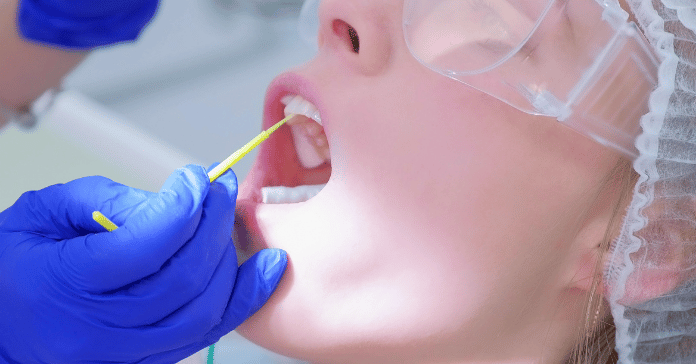
- Fluoride Varnishes: High-concentration fluoride treatments applied directly to teeth to speed up enamel remineralization. Many dentists recommend fluoride varnish for adults to strengthen tooth enamel, reduce sensitivity, and help prevent cavities.
- Dental Sealants: Thin protective coatings placed on the chewing surfaces of back teeth to block bacteria and acids from settling in grooves.
- Remineralizing Agents: Products containing calcium, phosphate, and fluoride that restore minerals to weakened enamel.
The Role of Fluoride in Reversing Cavities
Fluoride is one of the most effective tools in dentistry to prevent and reverse early cavities. When used in toothpaste, mouth rinses, or professional fluoride treatments, it helps strengthen the enamel surface and makes teeth more resistant to acid attacks. Fluoride replaces lost minerals in enamel and slows down bacterial activity, creating an environment that protects teeth from further decay.
Professional fluoride treatments offered by a dentist are even stronger than over-the-counter options. Applied as gels, foams, or varnishes, these treatments deliver high levels of fluoride directly to areas at risk of decay. When used regularly along with brushing twice a day with fluoride toothpaste, they significantly reduce the risk of cavities and support long-term dental health.
How Diet and Oral Hygiene Help Reverse Early Cavities?
Good daily habits play a major role in reversing early tooth decay. Reducing sugar intake lowers the fuel that bacteria need to produce harmful acids. Brushing twice a day with fluoride toothpaste removes plaque and strengthens enamel, while daily flossing clears food and plaque between teeth where cavities often start. Combined with regular dental checkups, these practices protect your teeth and give enamel the chance to repair itself naturally.
When Tooth Decay Cannot Be Reversed?
Once a cavity progresses into a hole in a tooth, reversal is no longer possible. At this stage, enamel cannot heal on its own, and professional dental treatments, such as fillings, crowns, or root canal therapy, are required. Ignoring untreated cavities can lead to severe tooth pain, abscesses, gum disease, and even tooth loss if decay reaches the pulp.
When to Visit a Dentist?
Visiting the dentist regularly is essential for preventing and treating tooth decay at the right time. Dentists can find cavities early, often before symptoms appear, through dental exams and X-rays. They also provide professional fluoride treatments, sealants, and advice tailored to your needs. Regular dental checkups every six months ensure that any early signs of decay are detected and treated before they become advanced problems.
Treatment Options for Advanced Tooth Decay
When tooth decay has gone beyond the early stage, dentists use restorative treatments to save the tooth and protect your oral health:
- Dental Fillings: Used when cavities create small to medium holes; the dentist removes decay and fills the space with a strong material.
- Root Canal Treatment: Needed when decay reaches the pulp, this treatment removes infected tissue and seals the tooth to prevent further infection.
- Dental Crowns: A cap placed over a tooth with extensive decay to restore structure, strength, and function.
- Tooth Extraction: If decay is too advanced and the tooth cannot be saved, removal may be necessary, followed by replacement options like dental implants or bridges.
Preventing Tooth Decay and Cavities
Prevention is the best defense against tooth decay, and it starts with everyday habits supported by professional dental care. These proven methods can lower your risk of developing cavities and keep your smile strong:
- Brush with Fluoride Toothpaste: Using a fluoride toothpaste twice a day strengthens the enamel and helps reverse a cavity in its earliest stage. According to the American Dental Association, fluoride is essential for protecting teeth at all stages of life, as it slows the stages of tooth decay and keeps enamel resistant to acid attacks.
- Daily Flossing: Flossing removes plaque and food particles from between teeth, areas where cavities form most often. Without flossing, even regular brushing leaves behind bacteria that can eventually cause a deep cavity or even an abscessed tooth.
- Regular Dental Cleanings: Visiting your dentist for regular dental cleanings ensures that hardened plaque (tartar) is removed before it leads to more serious problems. Professional cleanings also allow the dentist to check whether a cavity is a hole in the tooth or if it is still in the early decay stage, where tooth decay reversal may be possible.
- Dental Sealants for Protection: Sealants act as a protective layer on the chewing surfaces of back teeth, which are most at risk of decay. By sealing off grooves where food collects, sealants can prevent the causes of tooth decay and reduce the risk of needing more invasive treatments later.
- Professional Fluoride Treatments: In-office fluoride treatment for kids and adults provides higher-strength protection than toothpaste alone. These treatments may be able to reverse early cavities before decay reaches the inner layer of the tooth and requires more complex care.
- Balanced Diet and Limited Sugar Intake: Sugary foods and drinks fuel the bacteria that cause tooth decay. Reducing sugar consumption, drinking more water, and eating nutrient-rich foods protect tooth enamel and support the body’s natural ability to repair itself.
- Routine Dental Checkups: Since at least one cavity is common in both children and adults, routine checkups are vital. Your dentist can detect early decay, determine whether tooth decay reversal is still possible, and recommend treatment options before problems worsen.
Conclusion
Tooth decay remains one of the most common oral health problems, but the encouraging news is that it doesn’t always have to end with a filling. In its earliest stage, when damage is limited to the enamel surface, reverse tooth decay is possible. With daily habits, such as brushing twice a day with fluoride toothpaste, flossing, and maintaining a balanced diet, you may be able to stop or even reverse a cavity before it becomes permanent.
Once a tooth cavity develops into a hole, however, professional treatments become essential. Ignoring decay allows it to progress deeper into the tooth, which can cause pain, infection, or even lead to an abscessed tooth. This is why regular dental cleanings and checkups are vital; your dentist can spot early signs of decay and provide fluoride treatments or restorations, depending on the stage of tooth decay.
The key takeaway is simple: prevention and early action protect your teeth. By practicing good oral hygiene, scheduling regular dental visits, and seeking help at the first signs of decay, you safeguard your smile. If you suspect you have a cavity or want to learn more about tooth decay reversal, visit your dentist promptly for advice and personalized care.
