Losing a tooth doesn’t just affect your smile; it can also cause the bone in your jaw to weaken over time. When this happens, your dentist may recommend a dental bone graft to rebuild the missing bone and create a strong foundation for dental implants or other restorative treatments. This simple surgical procedure uses natural or synthetic bone graft material to replace lost bone, stimulate new bone growth, and help restore your oral health.
A bone graft may sound intimidating, but in reality, it’s a relatively minor procedure that plays a major role in restoring both function and appearance. Whether you’ve experienced bone loss due to gum disease, tooth extraction, or injury, this treatment helps your jaw regain the healthy bone structure needed to support implants and maintain facial shape. During a dental bone graft procedure, your dentist or oral surgeon places a small amount of bone substitute or autogenous bone in the affected area, allowing the growth of new bone over time.
In this post, we’ll explain exactly what a dental bone graft is, why it’s needed before a dental implant, the different types of grafts, what to expect during and after the procedure, and how recovery looks from start to finish.
What Is a Dental Bone Graft?
A dental bone graft is a surgical procedure that replaces missing or damaged bone in the jaw. It is often performed when a patient doesn’t have enough natural bone to support dental implants or other restorative treatments. During this procedure, the dentist or oral surgeon places bone tissue, either from your own body, a donor, an animal bone, or a synthetic substitute, into the area where bone is needed. Over time, your natural bone grows around the graft, creating a solid foundation for future dental work.
This process is essential because bone loss in the jaw can occur after tooth extraction, gum disease, or trauma. Without enough bone, dental implants and other restorative procedures may not be possible. A bone graft helps restore the quantity of bone, improve bone density, and promote healthy bone formation, crucial for maintaining long-term dental health and function.

Why You Might Need Bone Grafting Before a Dental Implant?
Bone grafting is often necessary before placing dental implants, especially when there isn’t enough bone to hold the implant securely. Bone loss can result from various causes, including infection, trauma, or long-term tooth loss. Here are the most common reasons:
- Bone Graft After Tooth Extraction: When a tooth is removed, the surrounding jawbone begins to shrink naturally. A graft helps preserve bone height and width.
- Periodontal (Gum) Disease: Chronic infection damages the supporting bone tissue, requiring reconstruction before implant placement.
- Trauma or Injury: An accident can destroy parts of the jawbone, making bone grafting necessary to replace missing bone.
- Tooth Loss for Long Periods: Missing teeth leads to bone resorption, where the body absorbs unused bone tissue.
- Developmental Defects: Some people naturally have less bone density in certain areas, requiring a graft before restorative procedures.
- Preparing for Dental Implants: To ensure the implant fuses properly, grafting may be necessary to increase the amount of bone in the site.
How a Dental Bone Graft Procedure Works?
A bone graft is a procedure performed under local anesthesia or sedation, so you won’t feel any pain during the surgery. The dentist makes a small incision in the gum to access the bone in the jaw, then places the bone graft material into the area where bone is missing. This transplanted bone acts as a scaffold for new bone tissue to grow. Over several months, the natural bone grows and fuses with the graft, creating a strong structure ready to support dental implants.
Consultation and Planning
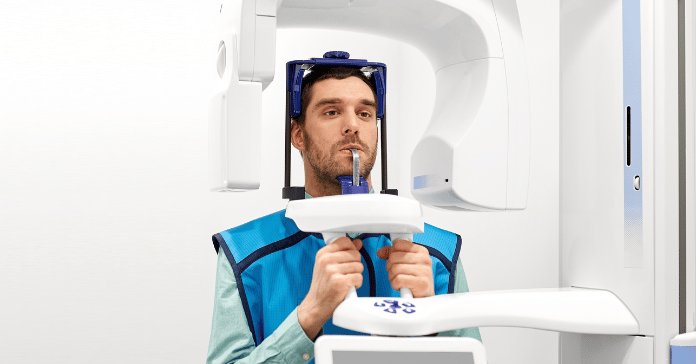
Before the procedure, oral surgeons or periodontists assess your bone quality using X-rays or 3D scans (Cone beam computed tomography). They measure the quantity of bone and determine the type of bone graft that best fits your condition. Planning ensures that the bone reconstruction supports future implant placement and promotes successful bone healing.
Placement of the Graft Material
During surgery, the dentist or surgeon makes an incision in the gum and carefully places the piece of bone or bone substitute into the targeted area. This material, whether it’s donor bone, autogenous bone, or a synthetic bone substitute, acts as a foundation to support new bone growth. The site is then covered and sutured to protect it during healing.

Healing and Bone Integration
After placement, the natural bone grows around the graft and gradually replaces it. This process, called bone integration, strengthens the jawbone and prepares it for the placement of dental implants. Healing typically takes several months, allowing for new bone formation and a strong bone structure that can handle the forces of chewing. Understanding the dental bone graft healing stages helps you know what to expect during recovery.
Types of Dental Bone Grafts
There are several types of dental bone grafts, each designed to meet different patient needs. The choice depends on the amount of bone required, the patient’s health, and personal preference. Common graft types include autogenous grafts, allografts, xenografts, and synthetic bone substitutes.
Autogenous Bone Grafts
Autogenous bone grafts use the patient’s own bone tissue, usually taken from the leg bone or jawbone. Because the bone comes from your body, it contains living cells that promote faster healing and strong bone growth. This type of graft is highly biocompatible and ideal for successful bone formation, though it requires an additional surgical site.
Allograft Bone
An allograft bone uses human bone from a donor or cadaver that has been sterilized and processed for safety. It provides a natural bone matrix that stimulates new bone tissue to grow. Allografts are widely used in modern dentistry and eliminate the need for a second surgical site while still encouraging bone regeneration.
Xenograft (Animal Bone)
A xenograft comes from animal bone, often bovine (cow). This graft type provides a natural framework that encourages your own bone cells to grow and replace the animal bone over time. It’s an effective option for patients who prefer to avoid using human or personal donor bone.
Synthetic Bone Substitutes
Synthetic bone substitutes are made from biocompatible materials that mimic natural bone. These bone graft substitutes are excellent for patients who prefer non-biologic options. They promote bone healing and new bone formation while reducing the risk of infection or rejection. Many synthetic options are used in combination with another material to enhance results.
Who Needs a Dental Bone Graft?
Patients who have lost bone in the jaw due to gum disease, trauma, or missing teeth often need bone grafting. Without sufficient bone, it’s difficult to place a dental implant securely. The procedure that replaces missing bone ensures the jawbone remains healthy and strong.
Additionally, dental bone grafting may be necessary for individuals considering dental implants and other restorative treatments. It also benefits patients with bone defects from injury or disease, improving both function and facial appearance by rebuilding the bone structure and supporting the surrounding tissues.
Benefits of Dental Bone Grafting
A dental bone graft offers numerous advantages for both health and appearance. It strengthens the foundation for future restorations and prevents bone loss.
- Restores Jawbone Strength: Increases the amount of bone available to support dental implants and improve stability.
- Improves Eligibility for Dental Implants: Makes patients with insufficient bone suitable candidates for implants and other restorative procedures.
- Promotes Bone Healing: Encourages new bone tissue growth and bone formation for long-term oral health.
- Prevents Further Bone Loss: Stops the natural resorption of bone that follows tooth loss.
- Enhances Facial Structure: Helps maintain proper jaw shape and facial balance.
- Supports Restorative Procedures: Provides a strong base for dental implants and other restorative treatments.
Recovery and Outlook After a Dental Bone Graft
After oral surgery, it’s normal to experience mild discomfort during the procedure, swelling, or tenderness in the area. Most patients won’t feel any pain due to anesthesia, and any post-operative discomfort can be managed with prescribed medication. Healing times vary depending on the type of bone graft and the quantity of bone rebuilt.
Over several months, the bone healing process continues as the transplanted bone integrates with the natural bone. With proper care and follow-up visits, most patients achieve a successful bone graft that provides enough bone density for placement of dental implants or other treatments.
Tips for Faster Healing
For optimal recovery and bone growth, follow these aftercare guidelines:
- Maintain Good Oral Hygiene: Gently brush around the surgical area to prevent infection.
- Avoid Pressure on the Graft: Refrain from chewing or biting on the treated side until healing progresses.
- Follow Medication Instructions: Take antibiotics or pain relievers as prescribed by your dentist.
- Stick to a Soft Diet: Eat soft foods like yogurt or mashed potatoes to avoid disturbing the graft site.
- Avoid Smoking: Smoking slows bone healing and can lead to graft failure.
- Attend Follow-Up Visits: Regular checkups allow your dentist to monitor bone formation and recovery progress.
Possible Risks and Complications
While bone grafting is a surgical procedure, complications are rare. Possible issues include minor infection, swelling, or graft rejection. These are easily managed when the procedure is performed by experienced oral surgeons or periodontists. Choosing a qualified specialist ensures promoting healing, proper bone integration, and long-term success.
How Long Until You Can Get a Dental Implant?
The typical healing time before getting a dental implant ranges from three to six months. This period allows for new bone formation and complete integration of the graft with your jawbone. Once healing is confirmed through X-rays or scans, your dentist can safely proceed with the placement of dental implants, ensuring a strong and lasting result.
Maintaining Healthy Bones After Grafting
To keep your bone structure healthy after a graft, follow preventive habits that protect both bone and gum health:
- Visit Your Dentist Regularly: Routine checkups ensure your graft and implants remain stable.
- Practice Excellent Oral Hygiene: Brush and floss daily to prevent gum disease and bone loss.
- Eat a Balanced Diet: Foods rich in calcium and vitamin D strengthen bone tissue.
- Avoid Smoking or Tobacco: Smoking interferes with bone healing and reduces bone density.
- Treat Dental Issues Early: Prompt treatment of infection or tooth loss prevents further bone damage.
Conclusion
A dental bone graft is more than just a surgical step; it’s the foundation for rebuilding oral health and restoring confidence in your smile. Whether bone loss occurs after a tooth extraction, gum disease, or injury, bone grafting replaces missing bone and stimulates natural bone growth, allowing your jawbone to regain strength and structure. This crucial procedure ensures that future dental implants are secure and long-lasting, helping you chew comfortably and smile naturally again.
Recovery from a dental bone graft may take several months, but the outcome is worth the patience. With proper care, a balanced diet, and regular dental visits, your new bone tissue will integrate smoothly, creating a healthy, stable base for implants or other restorative treatments. The bone graft material, whether from your own bone, a donor, or a synthetic source, becomes part of your natural anatomy, supporting both the function and beauty of your teeth.
If you’re considering a dental bone graft or dental implants, talk to your dentist about your options. Understanding how bone grafts are made and how bone is typically replaced can help you feel confident in your treatment plan. By following preventive habits and maintaining good oral hygiene, you can protect your graft, preserve your jawbone, and enjoy a strong, lasting smile.
