If you’ve ever woken up in the middle of the night with your mouth feeling dry, sticky, or uncomfortable, you’ve experienced what dentists call dry mouth, or xerostomia. This condition happens when your salivary glands don’t produce enough saliva to keep your mouth moist. While it might seem like a small issue, chronic dry mouth can affect your oral health, comfort, and even your ability to chew, swallow, and speak properly.
Dry mouth is more than just a nuisance; it can increase your risk for tooth decay, gum disease, and infections in the mouth. It may also make it difficult to wear dentures or taste food normally. The causes of dry mouth vary, ranging from dehydration and medication side effects to more serious conditions affecting the salivary glands. Understanding what causes your mouth to feel dry and learning how to manage it effectively can make a big difference in your dental and overall health.
In this post, we’ll explore the symptoms, causes, diagnosis, and treatment of dry mouth, plus practical tips to keep your mouth moist and healthy.
What Is Dry Mouth (Xerostomia)?
Dry mouth, also called xerostomia, is a condition in which the salivary glands in the mouth do not produce enough saliva to keep the mouth wet. Saliva plays an essential role in oral health; it lubricates the mouth, helps you chew and swallow food, and neutralizes acids that can cause tooth decay. Without enough saliva, your mouth may feel sticky or dry, and everyday activities like speaking or tasting food can become uncomfortable.
Saliva also protects the teeth and gums by washing away food particles and bacteria. When saliva production decreases, harmful bacteria can grow, increasing the risk of cavities, gum disease, and oral infections. Xerostomia can be temporary or chronic, depending on its cause, and it affects people of all ages, especially those taking certain medications or undergoing cancer treatment.
Common Symptoms of Dry Mouth
People who experience dry mouth may notice one or more of the following symptoms:
- Sticky or Dry Feeling: The mouth feels rough or sticky, especially on the tongue and roof of the mouth.
- Thick or Stringy Saliva: Saliva may appear thicker than usual and harder to swallow.
- Dry Throat or Hoarseness: A dry throat or sore feeling that makes speaking uncomfortable.
- Bad Breath (Halitosis): Lack of saliva allows odor-causing bacteria to grow.
- Difficulty Chewing or Swallowing: Food may feel hard to chew or swallow without enough moisture.
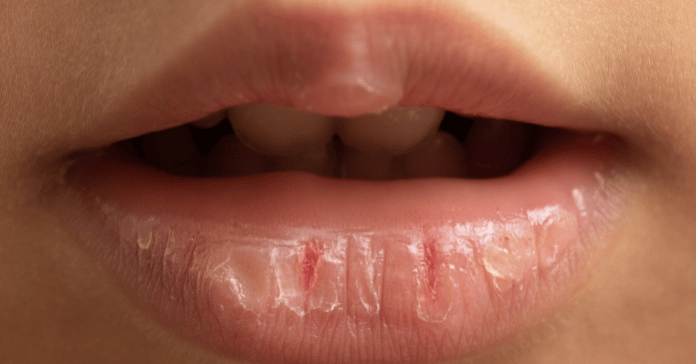
- Cracked Lips and Corners of the Mouth: The lips may dry and crack, especially at the edges.
- Burning Sensation: A burning feeling on the tongue or inside the mouth.
- Altered Taste: Food may taste different or less flavorful.
Causes of Dry Mouth
Several factors can cause the mouth to feel dry or reduce saliva production:
- Medications: Many prescription and over-the-counter drugs list dry mouth as a side effect.
- Dehydration: Not drinking enough fluids can reduce saliva flow and make the mouth feel dry.
- Mouth Breathing: Breathing through your mouth, especially during sleep, can dry oral tissues.
- Radiation Therapy: Cancer treatments involving the head and neck may damage salivary glands.
- Medical Conditions: Illnesses like diabetes or autoimmune disorders can affect saliva production.
- Nerve Damage: Injury or surgery in the head or neck area can affect the nerves controlling saliva flow.
- Tobacco and Alcohol Use: Both can irritate oral tissues and dry out your mouth.
Medications That Cause Dry Mouth
Hundreds of medicines can lead to xerostomia. Common ones include antihypertensives (for high blood pressure), antidepressants, antihistamines, decongestants, and pain medications. These drugs may reduce saliva flow as a side effect. If you experience dry mouth after starting a new medication, tell your healthcare provider; they may adjust your dosage or suggest an alternative that causes fewer symptoms.
Health Conditions Linked to Dry Mouth
Certain medical conditions are strongly associated with dry mouth. Diabetes can cause dehydration, leading to a persistent dry feeling in the mouth. Sjogren’s syndrome, an autoimmune disease, directly attacks salivary glands, severely reducing saliva production and causing dry eyes. In addition, head and neck cancer treatments such as radiation therapy can damage these glands permanently, making saliva production difficult even after treatment ends.
Mouth Breathing and Dehydration
Breathing through your mouth, particularly at night, can cause or worsen xerostomia. This often happens in people with nasal congestion, sleep apnea, or habits like sleeping with the mouth open. Similarly, not drinking enough water during the day or consuming too much caffeine or alcohol can lead to dehydration, which reduces saliva flow. Staying hydrated and using a humidifier can help keep the mouth moist.
Dry Mouth at Night: Why It Happens?
Dry mouth at night is common because saliva production naturally decreases during sleep. People who breathe through their mouths or take certain medications before bed are more likely to experience it. To reduce nighttime dryness, try sleeping on your side, using a humidifier, and avoiding caffeine, alcohol, or smoking before bed. Chewing sugar-free gum or using a moisturizing mouth rinse before sleeping can also help keep the mouth comfortable.
How Dry Mouth Affects Dental Health?
A dry mouth can significantly increase the risk of tooth decay and gum problems. Saliva helps wash away food particles and neutralize harmful acids produced by bacteria. When there’s not enough saliva, bacteria can thrive, leading to plaque buildup, gum irritation, and tooth decay. Over time, this can cause cavities, mouth infections, and even tooth loss if left untreated. Keeping your mouth moist and maintaining good oral hygiene are key to preventing damage caused by xerostomia.
Diagnosis of Dry Mouth
To diagnose dry mouth, your dentist or healthcare provider will review your medical history and ask about your symptoms and medications. They will examine the mouth for signs such as dryness, sticky saliva, or cracked lips. In some cases, they may perform a saliva flow test to measure how much saliva your glands produce. If necessary, further tests may identify underlying conditions affecting the salivary glands.
Treatment of Dry Mouth
Treatment for dry mouth depends on the underlying cause. If medications are responsible, your doctor may adjust your prescription. If dehydration or mouth breathing is the issue, lifestyle changes can help. Dentists may recommend products that replace or stimulate saliva, such as special mouth rinses or artificial saliva. The goal is to relieve discomfort, protect teeth, and keep the mouth healthy.
Professional Treatments
A dentist may recommend the following options to help manage dry mouth:
- Saliva Substitutes: Special gels or sprays that moisten the mouth and reduce discomfort.
- Prescription Mouth Rinses: Formulated to protect the teeth and gums while stimulating saliva flow.
- Medication Adjustment: Your doctor may change or lower the dose of a drug that causes dryness.
- Fluoride Treatments: Professional fluoride varnish for adults to prevent tooth decay.
- Dental Checkups: Regular visits help detect cavities or gum issues early.
Home Remedies and Lifestyle Tips
Simple daily habits can help keep your mouth moist and prevent symptoms:
- Drink Plenty of Water: Sip water throughout the day to stay hydrated.
- Avoid Caffeine and Alcohol: Both can worsen dryness by reducing saliva flow.
- Chew Sugar-Free Gum or Lozenges: Stimulates saliva and keeps the mouth wet.
- Use Alcohol-Free Mouth Rinses: Choose rinses made for dry mouth relief.
- Breathe Through Your Nose: Avoid mouth breathing whenever possible.
- Use a Humidifier: Keeps indoor air moist, especially at night.
- Avoid Tobacco: Smoking or chewing tobacco can aggravate dry mouth.

Dry Mouth and Tooth Decay Prevention
People with xerostomia need extra dental care to prevent tooth decay and gum disease. Since saliva helps protect the enamel, its absence means teeth are more vulnerable to acids and bacteria. Using fluoride toothpaste and rinses can strengthen enamel and reduce the risk of decay. Regular dental cleanings and checkups help detect any problems early.
In addition, maintaining excellent oral hygiene is essential. Brush at least twice daily, floss gently to remove plaque, and avoid sugary foods that feed bacteria. Your dentist may recommend specialized toothpaste for dry mouth or fluoride varnish applications to help keep your teeth strong and healthy.
When to See a Dentist?
You should see your dentist or doctor if dry mouth symptoms persist for more than a few days, interfere with eating or speaking, or are accompanied by increased tooth decay or mouth infections. Persistent dryness may indicate an underlying health problem or medication issue that needs attention. Early diagnosis and treatment can help prevent long-term complications and restore comfort to your mouth.
Conclusion
Dry mouth, or xerostomia, may seem like a minor inconvenience, but it can have a major impact on your teeth, gums, and overall comfort. When your salivary glands don’t produce enough saliva, your mouth can become dry, sticky, and more vulnerable to decay, infections, and bad breath. Understanding the symptoms and causes, from medications that cause dry mouth to dehydration, mouth breathing, or medical conditions, helps you recognize the issue early and take the right steps toward relief.
Treatment depends on what’s causing the dryness. Whether it’s adjusting medication, increasing hydration, or using mouth rinses and saliva substitutes, there are many ways to lubricate your mouth and keep your mouth and throat healthy. Simple changes like sipping water frequently, avoiding caffeine and alcohol, and breathing through your nose can make a big difference in preventing persistent dry mouth and protecting your teeth from decay.
If your mouth gets dry often or you’re struggling to keep your mouth wet, don’t ignore it. Dry mouth is a common but manageable condition, and the appropriate treatment can restore your comfort and protect your oral health. Talk to your dentist or healthcare provider to identify what’s causing dry mouth and find personalized ways to help with dry mouth before it leads to more serious dental issues.
