Have you noticed your gums slowly pulling back from your teeth, making them look longer or more sensitive than before? You’re not alone. Gum recession is a common dental concern that affects people of all ages and often goes unnoticed until it becomes a visible problem. While the thought of receding gums can be alarming, many people wonder: Do receding gums grow back? The answer isn’t simple; however, understanding the causes, risk factors, and available treatment options can make all the difference in protecting your oral health.
In this blog post, we will explore what causes receding gums, whether it’s possible for receding gums to grow back, and what treatments can help protect and restore your gums. We’ll also share simple tips to improve oral hygiene and prevent gum recession.
What Are Receding Gums?
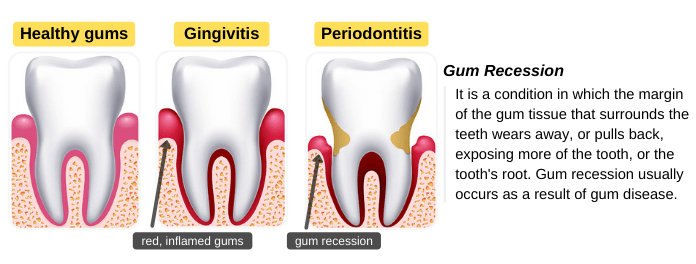
Receding gums, also known as gingival recession, happen when the gum tissue surrounding your teeth pulls back or wears away, exposing more of the tooth or even its root. This condition creates small spaces between the teeth and gum line, allowing harmful bacteria to build up. Over time, this can lead to damage in the soft tissue and bone that support your teeth, which may result in tooth sensitivity, decay, or even tooth loss.
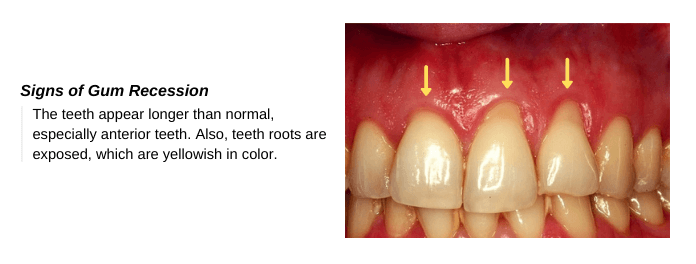
Unlike healthy gums that fit snugly around each tooth, receding gums may leave the roots exposed, making your teeth look longer and feel more sensitive, especially when brushing or eating hot or cold foods. The problem often starts gradually and can worsen without you noticing it. Here are some early warning signs of gum recession:
- Gums look red or swollen
- Teeth appear longer than usual
- Increased sensitivity to temperature changes
- Noticing small gaps or pockets near the gum line
- Bleeding gums when brushing or flossing
- Persistent bad breath that doesn’t improve with brushing

Do Receding Gums Grow Back?
Unfortunately, once gum tissue has pulled away from the teeth, it cannot grow back naturally. Unlike other tissues in the body, gums do not regenerate on their own after recession. However, professional treatments can help cover the exposed tooth roots and protect your oral health. Therefore, early intervention is key to stopping the problem from getting worse and preventing further damage.
What Causes Gums to Recede?
Gum recession doesn’t happen overnight. It is often the result of habits, health conditions, or genetic factors that wear down the gum tissue over time. Understanding the causes of gum recession can help you take steps to prevent it from getting worse. Some causes of receding gums are within your control, while others may require professional dental care. Here are some common causes of gum recession:
- Aggressive Brushing: Using a hard-bristled toothbrush or brushing your teeth too forcefully can wear down the enamel and damage your gums, causing them to pull back.
- Gum Disease: Periodontal disease, especially when untreated, is a major cause of receding gums. It destroys gum tissue and bone around the teeth.
- Genetics: If gum disease runs in your family, you may be more likely to develop gum recession even with good oral hygiene.
- Poor Oral Hygiene: Skipping brushing or flossing allows plaque and bacteria to build up, which leads to gingivitis and later gum recession.
- Smoking and Tobacco Use: Smoking weakens your immune system, slows healing, and increases the risk of gum disease and recession.
- Hormonal Changes: Pregnancy, menopause, or other hormonal shifts can make gums more sensitive and prone to recession.
- Grinding Or Clenching Teeth: This pressure can wear down the gums and lead to recession, especially near the gum line.
- Aging: Gum tissue naturally thins with age. Older adults are more likely to experience some level of gum recession.
Identifying the root cause early can help your dentist recommend the right treatment for receding gums and stop the problem from progressing further.
How Does Periodontal Disease Affect Gum Recession?
Periodontal disease, also known as gum disease, is one of the leading causes of receding gums. When bacteria from plaque buildup are not removed through regular brushing and flossing, they can infect the soft tissue around the teeth. Over time, this infection causes inflammation, destroys gum tissue, and even leads to bone loss around the roots of your teeth.
As a result, your gums pull back, exposing more of the tooth and sometimes the root. If left untreated, periodontitis can make gum recession much worse and can eventually lead to tooth loss. Early intervention is critical to stop the damage and protect your oral health.
When to See a Dentist for Gum Recession
If your gums are receding, it’s important not to ignore the signs. Many people wait until the problem becomes uncomfortable or visibly obvious, but early dental care can prevent long-term damage. A dentist or periodontist can identify the cause of the recession, evaluate how far the gums have receded, and recommend the best method of treating receding gums.
Regular dental visits also help monitor your gum health and stop the problem from getting worse. Even though receding gums can’t grow back naturally, timely treatment can help protect your gums and maintain your oral health. Here are signs you should schedule a dental visit:
- Gums appear to be pulling away from the teeth
- Teeth look longer than usual
- You feel increased sensitivity when eating or brushing
- You notice bleeding during brushing or flossing
- You see visible black spaces between teeth and gums
Early intervention can prevent further damage and help your dentist or periodontist choose the right treatment for receding gums based on your unique situation.
Treatment Options to Help Receding Gums Grow Back
Although receding gums can’t grow back naturally, several dental treatments can help restore gum coverage, protect your teeth, and improve overall gum health. The right treatment depends on how much the gums have receded, the cause of the recession, and your overall oral condition.
A dentist may recommend one or more of the following options to stop the progression and help the gums reattach where possible. Here are effective treatment options for receding gums:
- Scaling and Root Planing: This deep cleaning procedure removes plaque and bacteria from below the gum line and smooths the tooth root to help the gums reattach and heal properly.
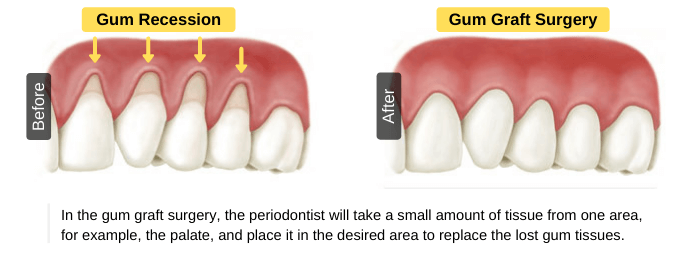
- Gum Graft Surgery: A common method where the periodontist uses gum tissue from another area, like the roof of your mouth, to cover the receding area and protect the tooth root.
- Regenerative Procedures: In cases where bone loss has occurred, regenerative techniques using membranes or bone grafts can help rebuild the supporting structures.
- Desensitizing Agents and Bonding: For mild cases, the dentist may use bonding material or desensitizing agents to reduce sensitivity and protect the exposed root.
- Toothpaste for Gum Health: Using specially formulated toothpaste can help manage sensitivity and promote better gum care as part of your daily routine.
Receding gums won’t grow back naturally, but the treatments can cover exposed roots, protect your gums, and stop the problem from getting worse.
Home Care Tips to Keep Your Gums Healthy
While professional treatment helps manage gum recession, daily care at home plays a major role in keeping your gums strong and preventing the condition from getting worse. Developing the right habits can stop the gums from receding further, reduce the risk of infection, and improve your overall oral health. Good hygiene doesn’t just benefit your teeth, it protects the soft tissues that support them. Here are some effective ways to care for your gums at home:
- Use A Soft-Bristled Toothbrush: Brush gently with a soft-bristled toothbrush to avoid damaging gum tissue and causing further recession.
- Brush Properly: Use small, circular motions instead of back-and-forth scrubbing. Be sure to brush along the gum line without applying too much pressure.
- Floss Daily: Flossing helps remove plaque between teeth and along the gum line and areas where a toothbrush can’t reach.
- Choose The Right Toothpaste: Use fluoride toothpaste designed for sensitive teeth to help protect enamel and soothe exposed areas.
- Avoid Tobacco Products: Smoking increases the risk of gum disease and slows the healing process if gums recede.
- Eat A Balanced Diet: A diet rich in vitamins, especially vitamin C, helps support gum repair and overall oral health.
- Stay Hydrated: Drinking water helps flush away food particles and bacteria that may cause your gums to become inflamed.
- Visit Your Dentist Regularly: Routine cleanings and checkups help detect early cases of gum recession and allow timely treatment.
Conclusion
Receding gums are a clear sign that your oral health needs attention. Although receding gums can’t grow back naturally, understanding the causes, like gum disease, aggressive brushing, or poor hygiene, can help you take the right steps to stop further damage. Early detection and professional care make a major difference in slowing or even reversing the effects of gum recession through proven treatments such as scaling and root planing, gum grafting, or regenerative procedures.
Alongside clinical treatments, practicing daily oral care at home is essential. Simple changes, like brushing gently, flossing daily, choosing the right toothpaste, and avoiding tobacco, can strengthen your gums and help prevent future issues. These habits not only support healing but also protect your teeth and gums from further recession.
If you’ve noticed sensitivity, gum changes, or longer-looking teeth, don’t wait. Talk to your dentist or periodontist about your symptoms. With the right care plan, you can manage the causes of gum recession, maintain healthy gums, and improve your overall oral health for the long term.
