When you hear the term root canal failure, you may think of lingering tooth pain, swelling, or another infection even after undergoing treatment. While root canal therapy has a high success rate and helps save millions of teeth each year, there are cases where the procedure does not completely resolve the issue. A failed root canal can happen months or even years after the initial treatment, leaving the tooth vulnerable to new or persistent infection inside the canal system.
Understanding why a root canal has failed is important for protecting your oral health and saving your natural tooth. Sometimes, tiny missed canals, complex canal anatomy, or inadequate sealing of the root filling material can allow bacteria to re-enter. Other times, new damage to the tooth or delayed crown placement after treatment may trigger reinfection. Fortunately, options such as endodontic retreatment or, in more complex cases, surgery can often address the problem and prevent tooth loss. In this blog post, we will explain the signs of root canal failure, what causes it, how it is diagnosed, and what treatment options your dentist or endodontist may recommend.
What is Root Canal Failure?
Root canal treatment is one of the most common and effective procedures in endodontics, designed to save an infected or damaged tooth. Root canal failure happens when a tooth that has undergone treatment does not heal properly or becomes infected again. This can occur even years after the initial root canal. While the goal of the procedure is to remove the infected pulp, clean the root canal system, and seal it with root canal filling material, sometimes bacteria remain inside or a new infection enters the tooth. Despite the high success rate of endodontic treatment, recognizing failure early is crucial to avoid further complications.
Success Rate of Root Canal Treatment
Root canal treatment has a very high success rate, exceeding 90-95%, with most endodontically treated teeth lasting a lifetime when properly restored and maintained. However, like any dental treatment, failure is possible. The key is early detection and prompt treatment. By identifying symptoms of a failed root canal early, an endodontist can often save your tooth with retreatment or surgical procedures.

Causes of a Failed Root Canal
Even though a root canal has a low failure rate, there are several reasons why a root canal may not succeed. A root canal can fail due to issues that arise during or after the initial root canal treatment. Here are the most common causes of endodontic problems:
- Missed Canals: A hidden space inside the tooth may remain untreated. Some teeth have more canals than the dentist can easily see. If one canal is left untreated, bacteria can stay inside your tooth, causing a new infection.
- Inadequate Cleaning: The canals must be thoroughly disinfected. If the cleaning of the root canal is not complete, small amounts of bacteria can survive. Over time, the tooth becomes infected again, leading to pain or discomfort.
- Complex Canal Anatomy: Curved or narrow canals are harder to treat. Certain teeth have complicated shapes inside the root canal system. If these areas are not fully cleaned or filled, the infection may spread and cause endodontic failure.
- Breakdown of the Root Canal Filling: A poor seal allows bacteria back in. If the root canal filling does not completely seal the inside of the tooth, bacteria can leak inside. This weak seal is a common cause of failure following a root canal.
- Delayed or No Final Restoration: A crown protects the treated tooth. If a dentist delays placing a crown or permanent restoration, the tooth after a root canal becomes vulnerable. Without crown protection after a root canal, the tooth may crack or break.
Each of these issues can lead to an infected tooth or signs that your root canal has failed. When this happens, an endodontist will treat the infection with retreatment or other common treatment options to save your tooth and avoid extraction.
Symptoms of a Failed Root Canal
Recognizing the signs of root canal failure can help you get treatment before the infection worsens. Common symptoms include:
- Persistent Tooth Pain: Continuous or returning pain in the treated tooth that does not improve over time.
- Swelling of the Gums or Face: Swelling near the tooth or along the gum line may signal infection spreading.
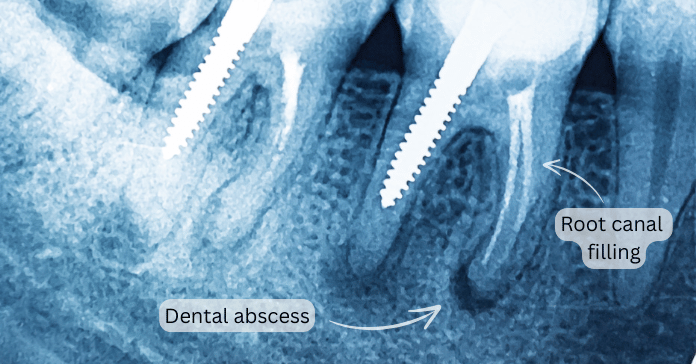
- Dental Abscess: A pimple-like bump on the gums or pus discharge indicates active infection.
- Discomfort After Months or Years: Symptoms may reappear long after the first root canal treatment.
When to See an Endodontist
If you experience any of these symptoms, it’s important to see your dentist or an endodontist promptly. A failed root canal can cause infection to spread to surrounding tissues, bone, and even other teeth if left untreated. Endodontists specialize in saving teeth that have failed primary root canal treatment and can determine the best course of action.
Diagnosing Root Canal Failure
Dentists and endodontists diagnose root canal failure by examining the tooth and taking a dental X-ray. The X-ray of the root canal will show infection around the tip of the root, changes in bone density, or signs that the root canal filling has not sealed properly. A thorough clinical evaluation helps confirm the cause of the failure and guides the treatment plan.
Treatment Options for a Failed Root Canal
The treatment for a failed root canal depends on the severity of the infection and the condition of the tooth. Options include root canal retreatment, endodontic surgery, or tooth extraction followed by replacement. The goal is always to save the natural tooth whenever possible.
Root Canal Retreatment
In many cases, root canal retreatment is the best option. The dentist or endodontist removes the old root canal filling, cleans the canals thoroughly, and places new filling material. With modern techniques, retreatment often has a high success rate.
Endodontic Surgery (Apicoectomy)
If retreatment is not enough, endodontic surgery may be recommended. An apicoectomy involves removing the tip of the root and cleaning out infected tissue. This procedure can save teeth that cannot be treated with conventional retreatment.
Tooth Extraction and Replacement
When a tooth cannot be saved, extraction may be necessary. After removing the tooth, replacement options include dental implants, bridges, or partial dentures. These restorations restore function and prevent problems associated with missing teeth.
Preventing Root Canal Failure
While root canal failure can happen, there are steps you can take to lower the risk:
- Follow Your Dentist’s Instructions: Carefully follow all aftercare and treatment recommendations.
- Get a Crown Promptly: Protect the root canal-treated tooth with a crown to prevent fractures and reinfection.
- Maintain Good Oral Hygiene: Brush, floss, and use mouthwash regularly to reduce bacteria buildup.
- Schedule Regular Checkups: Routine dental visits allow early detection of problems with treated teeth.
- See an Endodontist if Symptoms Return: Specialized care ensures the best chance of saving your tooth if problems arise.
Conclusion
A failed root canal does not mean the end of your tooth’s journey. While most root canal treatments are highly successful, problems such as missed canals, incomplete cleaning, or delayed restoration can sometimes allow infection to return. Recognizing the signs that your root canal may have failed, such as persistent pain, swelling, or abscess formation, is the first step to protecting your oral health.
If you suspect that your root canal failed, don’t wait. An endodontist who specializes in root canal structure and complex cases can evaluate your tooth with a dental x-ray and recommend the best treatment option. Whether that involves retreatment, endodontic surgery, or tooth extraction, prompt care prevents infection from spreading to other parts of the body and helps save your natural tooth whenever possible.
A failed root canal does not always mean tooth loss. By seeking early diagnosis and professional care, you give yourself the best chance to restore your tooth, protect your oral health, and avoid complications caused by infection in the tooth. If you experience symptoms, consult your dentist or endodontist and protect your smile.
