When you get a cavity, your dentist often recommends a dental filling to restore your tooth and prevent further decay. But one of the most common questions patients ask is: How long does a cavity filling last? The truth is, dental fillings don’t last forever. Their durability depends on factors such as the type of filling material, the location of the tooth, your oral hygiene habits, and even your diet.
Most dental fillings are designed to last many years, but they may eventually need to be replaced due to normal wear, cracks, or new decay. For example, amalgam fillings may last around 10–15 years, while composite resin fillings usually last 5–10 years. With good care, however, some fillings can last much longer than expected. Regular checkups, brushing your teeth twice a day, and professional dental care all help extend the lifespan of dental fillings. In this blog post, we’ll break down how long different types of fillings last, the signs that a filling needs replacement, and how you can make your fillings last as long as possible.
What Are Dental Fillings and Why Are They Needed?
Dental fillings are one of the most common dental restorations used to treat cavities and repair teeth damaged by decay. When tooth decay creates holes in the enamel, a filling restores the shape, strength, and function of the tooth while preventing bacteria from spreading deeper. Tooth fillings are made from different types of dental materials such as composite resin (white fillings), dental amalgam (silver fillings), gold fillings, ceramic, or glass ionomer. Each option has unique benefits, but all are designed to protect natural teeth and stop further dental issues. By getting a filling in the first place, patients can save their teeth and avoid more invasive dental procedures later.
How Long Does a Cavity Dental Filling Last?
The lifespan of dental fillings depends on the material used, the location in the mouth, and how well you care for your teeth. On average, dental fillings usually last anywhere between 5 and 15 years, though some can last longer with proper dental hygiene. According to the American Dental Association, different types of dental fillings tend to last for different time frames. While no filling lasts a lifetime, understanding how long dental fillings typically last helps you know when it may be time to replace a filling.
Amalgam (Silver) Fillings
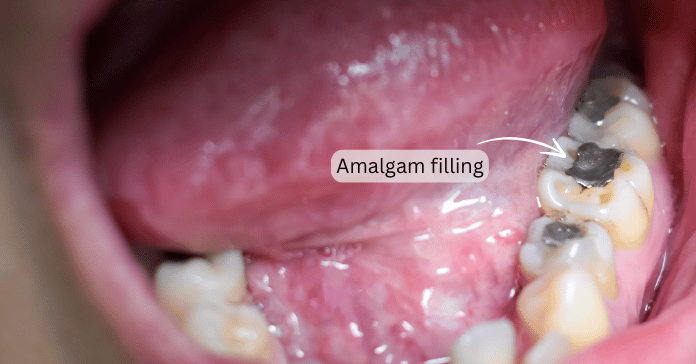
Amalgam fillings, also known as silver fillings, are among the most durable options. They can typically last 10 to 15 years, and in some cases even longer, before needing replacement. These fillings are made from a mix of metals, including silver, tin, and mercury, which makes them highly resistant to wear and tear. Amalgam is useful for restoring cavities in molars and teeth that experience heavy chewing pressure.
The main drawback of amalgam fillings is their metallic color, which makes them less natural-looking than other options. While they are cost-effective and tend to last longer than composite fillings, they can expand or contract over time, which may pull on your fillings or weaken the surrounding part of the tooth. Despite these limitations, silver fillings are still considered safe and effective for treating tooth decay.
Composite Resin (White) Fillings
Composite fillings are a popular choice because they blend in with natural teeth, making them an attractive option for visible areas. On average, composite fillings last 5 to 7 years, although with good oral care, they may last longer. They are bonded directly to the tooth, which helps preserve more of your natural tooth structure.
However, composite resin is weaker than other fillings and may wear down more quickly, especially in teeth exposed to high bite pressure. While they look natural and provide an aesthetic advantage, they typically do not last as long as amalgam or gold fillings. Still, for patients seeking natural-looking fillings, composites remain one of the most common types of dental restorations.

Gold Fillings
Gold fillings are known for their exceptional durability and strength. They can last 15 to 30 years or more, making them one of the longest-lasting types of dental fillings available. Gold does not corrode, withstands chewing forces well, and rarely breaks, which explains why many patients report their gold fillings lasting decades.
Despite their longevity, gold fillings are less commonly used today because of their cost and noticeable appearance. They require more than one dental visit to place and are significantly more expensive than other filling materials. While they may not be as popular, gold fillings remain a reliable option for patients looking for a long-lasting solution.
Ceramic Fillings
Ceramic fillings, often made of porcelain, typically last 10 to 15 years and provide a natural, tooth-colored appearance. They are resistant to staining and are often used in visible areas of the mouth. However, they can be more brittle than gold or amalgam fillings, so they are sometimes used with dental crowns for added strength.
Glass Ionomer Fillings
Glass ionomer fillings, on the other hand, usually last around 5 years, making them weaker than other types. They are often recommended for small cavities, children’s teeth, or areas that don’t experience heavy chewing pressure. One advantage is that glass ionomer releases fluoride, which can help protect teeth against further decay.

Factors That Affect How Long a Cavity Filling Lasts
Several factors influence the life of your fillings and whether they need to be replaced sooner rather than later:
- Type of Material: Gold fillings last longer than composite or glass ionomer. Each type of dental filling has a different expected lifespan.
- Tooth Location: Molars face higher chewing forces, so fillings here may wear down faster compared to front teeth.
- Bite Pressure: People who grind or clench their teeth place extra stress on fillings, reducing how long they last.
- Dental Hygiene: Poor oral care increases the risk of decay around fillings, shortening their lifespan.
- Dietary Habits: Frequent consumption of sugary foods and acidic drinks may damage both natural teeth and fillings.
- Dental Practices: Regular dental checkups and dental x-rays allow dentists to monitor the condition of your fillings and catch problems early.
Signs It’s Time to Replace a Filling
A filling won’t last forever, and certain signs suggest it’s time to see your dentist. Warning signs include tooth pain, cracks or chips in the filling, sensitivity to hot or cold, or food getting stuck around the tooth with a filling. If a filling is damaged or worn out, your dentist may recommend replacing it before it leads to bigger dental issues.
Can a Cavity Filling Last Forever?
No dental filling lasts a lifetime. Even the strongest materials eventually wear down from chewing, pressure, and daily use. Most dental fillings can last anywhere from 5 years to several decades, depending on the type of filling and oral care. Over time, they may need to be replaced to keep your teeth strong and healthy.
What Happens If You Don’t Replace a Damaged Filling?
If you don’t replace a filling when it’s damaged, it can expose the tooth to further decay. This may result in cavities spreading deeper, causing cracks in the tooth, or even leading to infection of the pulp. In severe cases, untreated problems may require root canal therapy or tooth extraction. Replacing fillings in time prevents more costly and painful dental procedures.
Dental Filling Replacement: What to Expect
When it’s time to replace a filling, your dentist will begin by examining the tooth and taking dental X-rays if needed. The old filling is carefully removed to eliminate any decay or damage underneath. This ensures the new filling is placed on a healthy part of the tooth.
After removing the old filling, your dentist will clean and prepare the tooth before applying the new material. Depending on the type of filling chosen, the dentist may use composite resin, amalgam, gold, ceramic, or glass ionomer. The filling is shaped and polished to match your natural teeth, restoring both function and appearance.
How to Make Your Cavity Filling Last Longer?
With the right care, you can extend the life of your fillings and avoid frequent replacements. Here are some helpful tips:
- Practice Good Oral Hygiene: Brush twice a day with fluoride toothpaste and floss daily to prevent decay around fillings.
- Limit Sugary and Acidic Foods: Reduce your intake of soda, candy, and acidic drinks, which may damage both teeth and fillings.
- Protect Against Grinding: If you grind your teeth at night, ask your dentist about a night guard to reduce stress on fillings.
- Attend Regular Checkups: Visit your dental center every six months for exams and dental X-rays to monitor the condition of your fillings.
- Avoid Using Teeth as Tools: Don’t use your teeth to open packages or bite on hard objects, as this may crack or chip fillings.
- Consider Dental Crowns for Larger Fillings: If a tooth with a filling has significant damage, a dental crown may protect and strengthen it.
Conclusion: How Long Does a Cavity Filling Last?
Dental fillings are an essential part of restoring teeth that have been damaged by decay, but they are not designed to last forever. The lifespan of a filling depends on several factors, including the type of material used, the location of the tooth, and how well you care for your teeth. While amalgam fillings may last around 10–15 years and gold fillings can last decades, composite and glass ionomer fillings often need replacement sooner. No matter the type, proper care of your teeth plays the biggest role in how long dental fillings last.
By practicing good oral hygiene, limiting sugary and acidic foods, and visiting your dentist regularly, you can help your fillings last longer and protect the natural parts of your tooth. Knowing the signs that a filling may need to be replaced, such as pain, cracks, or sensitivity, can also prevent further dental problems and costly treatments.
If you’re wondering how long a cavity filling lasts, the answer lies not just in the material but also in your daily habits and dental care routine. Take proactive steps to protect your fillings, and don’t wait to seek dental services if something feels wrong. Regular checkups and professional advice are the best way to keep your fillings and your smile healthy for years to come.
