Tartar, also known as dental calculus, forms when plaque hardens on your teeth. Once tartar builds up, it can make your teeth look yellow, cause bad breath, and even irritate your gums. Many people wonder how to remove tartar from teeth without dentist visits, especially if they want to try natural or home remedies first. While professional dental cleaning is the safest and most effective way, certain habits and methods can help reduce tartar buildup and keep your teeth healthier between check-ups.
In this blog post, we’ll explain what tartar is, why it forms, and practical ways to remove tartar at home without damaging your teeth. You’ll also discover safe home remedies, tips for preventing hardened plaque, and when it’s important to visit your dentist or dental hygienist. Understanding how to care for your teeth daily can help you stop tartar from forming and maintain a healthy smile.
What Is Tartar and How Does It Form?
Dental plaque is a sticky film of bacteria that constantly forms on your teeth. If you don’t brush your teeth and floss regularly, this plaque hardens into tartar (also known as dental calculus). Once it forms on your teeth, tartar bonds strongly to the surface and cannot be brushed away with normal toothpaste. Tartar is harmful because it irritates gums, traps bacteria, and increases the risk of cavities and gum disease.

Why You Shouldn’t Ignore Plaque and Tartar Buildup?
If tartar buildup on your teeth is left untreated, it can cause serious dental issues. Here are some common problems:
- Gum Disease (Gingivitis and Periodontitis): Tartar irritates your gums, leading to redness, swelling, and bleeding. Over time, this can progress to advanced gum disease and bone loss around teeth.
- Tooth Decay: Bacteria in tartar release acids that weaken enamel, increasing the risk of cavities.
- Bad Breath (Halitosis): Tartar traps bacteria and food particles, leading to persistent bad breath, even after brushing teeth.
- Stained Teeth: Tartar absorbs stains from coffee, tea, or tobacco, making your teeth look yellow or brown.
- Tooth Loss: Severe tartar buildup damages gums and bone, which may eventually cause teeth to loosen or fall out.
Can You Remove Tartar From Teeth at Home Without a Dentist?
You can remove plaque from your teeth at home through good dental hygiene, but once plaque hardens into tartar, it cannot be completely removed without a dentist. A dental hygienist uses special instruments during professional cleaning to safely remove tartar buildup. Home care is essential to control plaque and prevent tartar, but it’s not a replacement for professional dental check-ups.
Home Remedies to Remove Tartar From Teeth Without a Dentist
Home remedies can help remove plaque and slow tartar buildup, but they are not powerful enough to fully remove hardened tartar. They work best as preventive methods rather than cures.
Brushing and Flossing Your Teeth
Brushing your teeth twice a day with fluoride toothpaste is the best way to remove plaque before it hardens into tartar. Use gentle, circular motions and a soft-bristled toothbrush to avoid damaging your enamel and gums.
Flossing at least once a day helps remove plaque and food particles stuck between your teeth where a toothbrush can’t reach. This prevents tartar buildup in tight spaces and protects your gums.
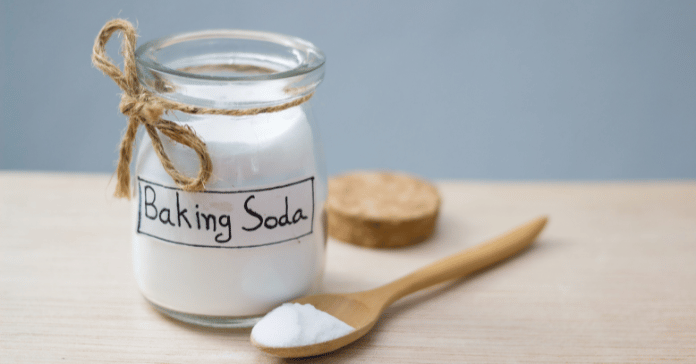
Baking Soda Remedy for Tartar on Teeth
Brushing occasionally with baking soda mixed with water may help reduce surface stains and soften minor tartar deposits. Baking soda is mildly abrasive, so it should be used gently to avoid enamel damage.
Oil Pulling as a Natural Remedy
Swishing coconut oil or sesame oil around your mouth for 10-15 minutes may reduce bacteria and plaque formation. While not a replacement for brushing, oil pulling can support overall oral hygiene.
Mouthwash and Antimicrobial Rinses
Using an antiseptic or fluoride mouthwash helps kill bacteria, freshen breath, and reduce plaque buildup. Antimicrobial rinses recommended by dentists can be especially effective in preventing gum disease and tartar formation.
When to Visit Your Dentist or Dental Hygienist To Remove Tartar?
If you notice bleeding gums, persistent bad breath, or tartar on your teeth that won’t go away with regular dental care, it’s time to see a dentist. Tartar and plaque can cause many warning signs, such as red or swollen gums, tooth sensitivity, or yellow and brown deposits that make it harder to clean your teeth properly.
When left untreated, tartar can break off, irritate the gums, and even lead to gum disease. Some people try to get rid of tartar without a dentist, but once plaque turns into tartar, home remedies are not able to remove it completely.
A dentist may recommend professional dental tartar removal methods because they are the only safe way to effectively remove tartar and plaque. During your next dental visit, a dental hygienist removes hardened buildup with special tools to restore healthy teeth and gums.
How Does Your Dentist Remove Tartar Build-up From Teeth?
Your dentist uses special tools to remove tartar from your teeth and clean around the gum line. This procedure is called scaling, and it involves gently scrubbing your teeth using hand instruments or ultrasonic devices to break away hardened deposits. For patients with deeper buildup or gum disease, scaling is often combined with root planing, a process where the roots of your teeth are smoothed to help gums heal and reattach. Together, scaling and root planing effectively remove plaque and tartar that you cannot remove at home.
Professional tartar removal is the best way to prevent tartar from damaging your gums and teeth. The American Dental Association recommends regular dental check-ups every six months, since even people who brush their teeth gently and floss daily are not able to remove the tartar from their teeth without professional help.
Professional vs. At-Home Tartar Removal
Professional tartar removal is the only effective way to get rid of hardened tartar. At-home methods like brushing and flossing are excellent for preventing plaque and tartar, but once tartar builds up, a dentist’s tools are required. Trying to remove tartar at home with sharp instruments can cause more harm than good.
Risks of Trying Unsafe Ways to Remove Tartar at Home
Some online methods may look tempting, but they can actually damage your teeth and gums. Avoid these unsafe practices:
- Using Sharp Tools at Home: Dental instruments in untrained hands can scratch enamel and injure gums.
- Scrubbing Too Hard: Brushing aggressively can wear down enamel and cause gum recession.
- Harsh Chemicals: Certain remedies may erode enamel or burn gum tissue.
- Following Unsafe Online Advice: Not all “natural tartar removal” tricks are safe or effective.
How to Prevent Tartar Buildup on Teeth?
Prevention is the best way to keep tartar away. Here are some proven tips:
- Brush Twice Daily: Use fluoride toothpaste and brush for at least two minutes.
- Floss Daily: Clean between teeth to remove plaque before it hardens.
- Use Mouthwash: Antimicrobial or fluoride rinses help reduce bacteria.
- Limit Sugary and Starchy Foods: These feed bacteria and cause plaque and tartar buildup.
- Drink Water Frequently: Helps wash away food particles and bacteria.
- Avoid Tobacco Products: Smoking and chewing tobacco increase tartar buildup.
- Visit Your Dentist Regularly: Professional cleanings every six months keep your teeth and gums healthy.

Conclusion: How to Remove Tartar from Teeth Without a Dentist?
Tartar, also known as hardened plaque, can affect both the health and appearance of your smile if ignored. While incorporating home remedies can help remove plaque and slow buildup, once tartar forms, it is nearly impossible to remove the tartar from your teeth without professional help. The best way to prevent tartar is by brushing your teeth gently twice daily, flossing, and using fluoride products to keep your gums and teeth healthy. These habits help remove tartar on teeth before it hardens, reduce bacteria, and keep tartar at bay.
Still, if you notice persistent buildup, bad breath, or gum irritation, a trip to the dentist is essential. A dental hygienist can safely remove tartar from their teeth using scaling or root planing, which are proven tartar removal methods. Regular dental check-ups not only help remove tartar and plaque but also protect your overall oral health, ensuring you can effectively remove tartar and keep your teeth healthy for years to come.
In the end, no matter how well you clean your teeth using home remedies, professional care remains the most reliable way to remove plaque or tartar. If you want to keep your teeth strong and avoid tartar problems, visit a dentist regularly and follow good daily dental care practices. Taking these steps will help prevent plaque and tartar, support healthy gums and teeth, and give you the confidence of a bright, healthy smile.
