When you notice your teeth looking longer or feel increased sensitivity near your gum line, you may be dealing with a recession gum line, also known as gum recession. This common dental problem occurs when the gum tissue surrounding your teeth pulls back, exposing more of the tooth or even its root. Over time, untreated gum recession can lead to discomfort, tooth sensitivity, and in severe cases, tooth loss.
A receding gum line isn’t just a cosmetic issue; it can signal underlying oral health problems such as gum disease, thin gum tissue, or aggressive brushing habits. The gum tissue plays a vital role in protecting your tooth roots from harmful bacteria, and when it wears away, it can increase the risk of decay, infection, and bone loss.
In this post, we’ll explain the causes of gum recession, early warning signs to watch for, and the most effective gum recession treatments available, from minimally invasive procedures like the pinhole surgical technique to traditional gum grafting. You’ll also learn how to prevent gum recession and maintain healthy gums for life.
What Is Recession Gum Line?
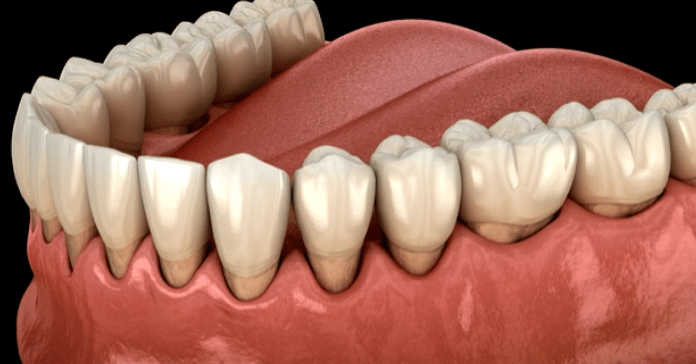
A recession gum line, also known as gum recession or receding gums, occurs when the gum tissue surrounding the teeth begins to wear away or pull back. This exposes more of the tooth or even the tooth’s root surface, making the teeth look longer than usual. Gum recession is not just a cosmetic concern; it’s a dental condition that can lead to sensitivity, discomfort, and more serious oral health problems if left untreated. The exposed root surface can be more vulnerable to decay and erosion, increasing the need for professional dental care.
As gums recede, the protective barrier around the teeth weakens, leaving the root surfaces exposed to plaque, bacteria, and temperature sensitivity. Over time, this condition can compromise the stability of the teeth and affect both their function and appearance. Detecting gum recession early and treating it promptly is crucial to maintaining optimal oral health and preventing further gum and bone loss.
Common Causes of Gum Recession
Several factors can contribute to gum recession. Understanding these causes can help you take preventive steps and protect your teeth and gums from further damage.
- Gum Disease (Periodontal Disease): The most common cause of gum recession, periodontal disease destroys the gum tissue and supporting bone that hold teeth in place.
- Aggressive Brushing: Brushing your teeth too hard or using a hard-bristle toothbrush can wear down the enamel and push the gums away from the tooth surfaces.
- Poor Oral Hygiene: Inadequate brushing and flossing allow plaque and tartar buildup, leading to gum inflammation and eventually gum tissue loss.
- Tobacco Use: Smoking or chewing tobacco affects blood flow to the gums and increases the risk of gum infections and receding gum tissue.
- Genetics: Some people are naturally more prone to gum disease or have thinner gum tissue, making them more susceptible to gum line recession.
- Tooth Misalignment or Grinding: Abnormal tooth positions or excessive clenching can place too much force on the gums and bone, causing them to recede over time.
Signs and Symptoms of Gum Recession
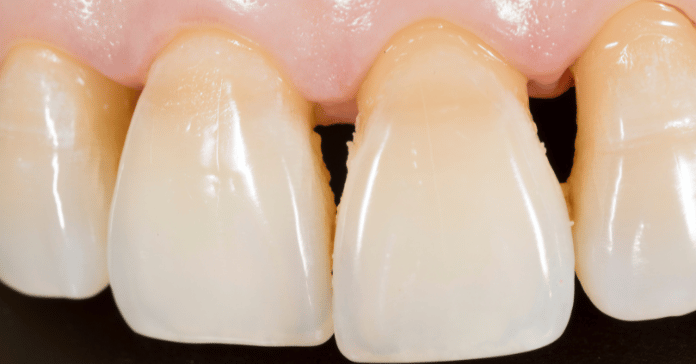
Gum line recession develops gradually, and you may not notice it right away. One of the earliest symptoms of gum recession is increased tooth sensitivity, especially when consuming hot or cold foods and drinks. You may also observe that your teeth appear longer than before or that small notches are forming near the gum line.
Other symptoms of gum recession include visible root surfaces, swollen or inflamed gums, and tooth mobility in severe cases. You might also experience discomfort when brushing or flossing near the affected area.
How Gum Line Recession Affects Oral Health?
When gums recede, the root surface of the tooth becomes exposed, which increases the risk of tooth decay and sensitivity. The root does not have the same protective enamel layer as the crown, making it more susceptible to bacterial attack and erosion. If the condition continues without treatment, it can result in the loss of soft tissue and bone support around the tooth.
Over time, untreated gum recession can lead to significant oral health issues, including root caries, bone loss, and even tooth loss. The affected teeth may also become more sensitive to pressure and temperature changes.
Diagnosing Receding Gums
Dentists and periodontists diagnose gum recession through a detailed clinical examination and dental imaging. During your dental visit, your dentist will measure the depth of the gum pockets using a periodontal probe to determine how much gum tissue has been lost. They may also take X-rays to evaluate bone loss beneath the gum line and assess the condition of the surrounding teeth and tissues.
Identifying the underlying cause of the recession is essential before deciding on a treatment plan. For example, gum recession caused by periodontal disease may require scaling and root planing, while mechanical trauma or misaligned teeth might need orthodontic correction or surgical repair.
Gum Line Recession Treatment Options
Treatment for recession gum line depends on its severity and cause. Mild cases may only require improved oral hygiene and non-surgical therapy, while more advanced gum loss might need surgical intervention. Dentists can choose from a range of treatments, such as scaling and root planing, gum grafting procedures, the pinhole surgical technique, or topical therapies, to restore gum health and prevent further progression.
Scaling and Root Planing
Scaling and root planing is a deep cleaning procedure performed to remove plaque, tartar, and bacteria from below the gum line. This treatment smooths the root surfaces to prevent further bacterial buildup and helps the gum tissue reattach to the tooth. It’s often used for patients with mild to moderate gum recession caused by gum disease.
This procedure is usually performed under local anesthesia for comfort. It targets bacterial buildup that can’t be reached through regular brushing and helps stabilize the gums before any surgical treatment is considered. After treatment, patients may experience slight tenderness, but this subsides as the gums heal.
Gum Grafting Procedures
Gum grafting procedures are recommended for more severe cases of gum recession. In traditional gum grafting, the dentist or periodontist takes soft tissue from the roof of the mouth (palate) or uses donor tissue to cover the exposed roots. This helps rebuild lost gum tissue and provides better protection against bacteria and further gum loss.
The procedure not only improves the appearance of your smile but also reduces tooth sensitivity and protects exposed root surfaces. Gum grafts integrate with existing tissue over time, strengthening the gum margin and promoting long-term oral health.
Pinhole Surgical Technique (Minimally Invasive)
The pinhole surgical technique is a modern, minimally invasive method used to treat gum recession without the need for grafts or sutures. During this procedure, your dentist makes a small opening in the gum tissue and gently repositions it to cover the exposed roots. This approach minimizes discomfort and shortens recovery time compared to traditional gum grafting.
This technique is ideal for patients with multiple areas of mild-to-moderate gum recession who want a less invasive option. Since no incisions or stitches are required, the healing process is quicker, and patients can often return to normal activities within a day or two.
Topical Antibiotics and Desensitizing Treatments
Topical antibiotics are sometimes applied to the affected areas to control bacterial infection and support gum healing. In addition, desensitizing toothpaste can help reduce tooth sensitivity caused by exposed roots, providing relief while the gums recover. These treatments are often used alongside professional dental procedures for comprehensive care.
How to Prevent Gum Recession?
Prevention is the best way to protect against gum line recession. Following consistent oral hygiene and lifestyle habits can help keep your gums strong and healthy.
- Use a Soft-Bristled Toothbrush: Brush gently using small circular motions to clean teeth and gum lines without causing trauma.
- Maintain Regular Dental Cleanings: Schedule professional dental cleanings every six months to remove plaque and tartar buildup near the gum line.
- Avoid Tobacco Products: Smoking or chewing tobacco contributes to gum disease and slows healing after dental treatments.
- Treat Gum Disease Early: Address bleeding or inflamed gums promptly to prevent the progression of periodontal disease.
- Use Desensitizing Toothpaste: Helps protect exposed root surfaces and reduce discomfort caused by sensitivity.
- Practice Proper Oral Hygiene: Brush twice daily and floss regularly to remove food particles and bacteria that contribute to gum inflammation.
Recovery and Aftercare Following Gum Recession Treatment
After undergoing gum recession treatment, patients may experience mild soreness, swelling, or sensitivity around the treated areas. These symptoms typically resolve within a few days as the tissues heal. Your dentist may recommend using an antimicrobial mouth rinse, avoiding hard foods, and gently brushing the treated area to prevent irritation.
Follow-up visits are essential to monitor healing and ensure that the gum tissue reattaches properly. Maintaining proper oral hygiene, using prescribed desensitizing products, and avoiding aggressive brushing will promote faster recovery and prevent future gum recession.
When to See a Periodontist?
You should see a periodontist if you notice visible tooth roots, persistent tooth sensitivity, or if your gums are visibly receding. A periodontist specializes in diagnosing and treating conditions affecting the gums and bone supporting the teeth. Early intervention by a specialist can prevent further damage and preserve your oral health.
Conclusion
When it comes to a recession gum line, early detection and care make all the difference. Receding gums expose the delicate root surfaces of your teeth, increasing the risk of tooth sensitivity, decay, and even tooth loss. The condition often develops gradually due to factors such as gum disease, aggressive brushing, or tobacco use. Understanding these causes helps you take preventive steps before permanent damage occurs.
Fortunately, several effective treatments can restore your gum health. Mild gum recession may respond well to professional dental cleaning, scaling and root planing, or desensitizing toothpaste at home. More advanced cases may require gum grafting taken from the roof of your mouth, or modern alternatives like the pinhole surgical technique, which gently repositions the gum tissue without extensive surgery. Each approach aims to protect the exposed tooth roots, strengthen gum tissue, and prevent future complications.
Remember, prevention is always better than treatment. Maintain proper oral hygiene, use a soft-bristle toothbrush, avoid smoking, and schedule regular checkups with your dentist or periodontist. If you notice signs of gum recession, such as longer-looking teeth or increased sensitivity, schedule an appointment promptly. With timely care and consistent oral hygiene habits, you can stop gum recession from progressing and enjoy a healthier, more confident smile for years to come.
