Root canal treatment is one of the most common dental procedures used to save a damaged or infected tooth. When the dental pulp inside the tooth becomes inflamed or infected, it can cause severe pain, sensitivity, or swelling. Instead of removing the tooth, this treatment focuses on cleaning the inside of the tooth and preserving your natural tooth structure.
Many people worry when they hear they may need a root canal, but modern endodontics has made the procedure comfortable and highly effective. Using local anesthesia and advanced techniques, dentists and endodontists carefully remove infected pulp, clean the root canals, and seal them to prevent future infection. Millions of root canal treatments are performed every year, helping patients keep their natural teeth for life.
In this guide, you will learn more about root canals, why a tooth may need treatment, how the root canal procedure works, and what to expect after care. Understanding the process can help you feel confident and prepared if your dentist recommends this important dental treatment.
What Is Root Canal Treatment?
Root canal treatment is a dental procedure used to save a natural tooth when the inside becomes infected or diseased. Inside every tooth are root canals that contain soft tissue, and when bacteria enter these spaces, infection and inflammation can develop. Root canal means removing the infected tissue, cleaning the inside of the tooth, and sealing it to stop further damage. This type of endodontic treatment focuses on eliminating infection while preserving the crown of the tooth. By treating the problem instead of removing the tooth, dentists can protect oral health and maintain normal chewing function.
Understanding the Inside of the Tooth and Dental Pulp
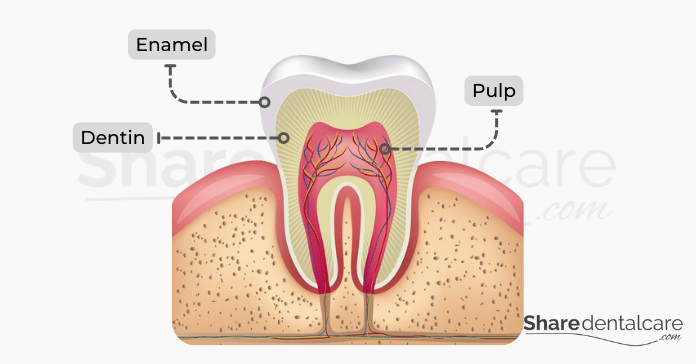
The inside of the tooth contains the pulp chamber and root canals, which hold blood vessels, nerves, and connective tissue. The pulp extends from the crown of the tooth down through the length of the root, helping the tooth develop when it first forms. When decay, cracks, or trauma cause pulp damage, inflammation occurs and often leads to pain or infection. Because the pulp is enclosed by hard enamel and dentin, swelling has nowhere to go, which increases pressure and discomfort. Once the pulp becomes diseased, it can no longer heal on its own and requires treatment.
Common Reasons You May Need a Root Canal Treatment
Several dental problems can damage the pulp and make root canal therapy the best treatment option. These issues often allow bacteria to reach deep inside the tooth, leading to infection and pain.
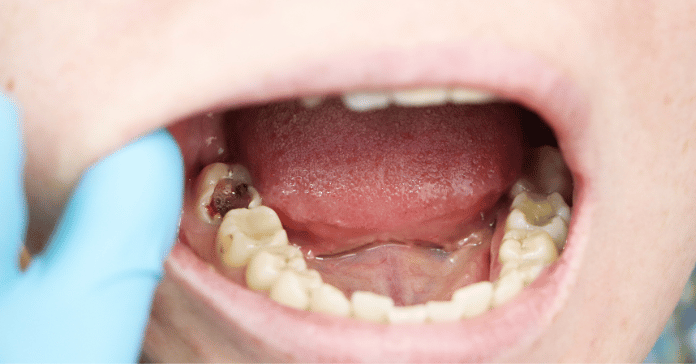
- Deep Tooth Decay: A deep cavity that reaches the pulp can introduce bacteria and cause severe infection if left untreated.
- Repeated Dental Procedures: Multiple fillings or restorations on the same tooth can irritate the pulp and lead to inflammation.
- Cracks or Trauma: A cracked tooth or injury may expose the pulp even if there is no visible cavity. Dentists may recommend a root canal for a cracked tooth to save the tooth.
- Untreated Infection: When pulp damage is left untreated, it can lead to an abscess at the root of the tooth.
- Advanced Inflammation: Ongoing inflammation inside the pulp chamber can cause the tissue to become diseased and die.
Symptoms That Indicate You Need a Root Canal
Common signs that indicate you may need a root canal treatment include persistent tooth pain, sensitivity to hot or cold, and discomfort when chewing. Swelling of the gums, darkening of the tooth, or tenderness may also occur as the infection progresses. In some cases, infected teeth may not cause noticeable pain at first, especially if the pulp has already died. This is why regular dental visits are important for early detection. Identifying symptoms early helps prevent further damage and complications.
Root Canal Treatment vs Tooth Extraction
Choosing root canal therapy allows you to save your natural tooth rather than having it extracted. Keeping the root of the tooth helps maintain jawbone strength and prevents neighboring teeth from shifting. If a tooth is extracted, replacement options like a dental implant or bridge may be needed, which are often more complex and costly. A treated tooth can function normally and look natural once restored with a crown or filling. Saving the tooth whenever possible supports long-term oral health and comfort. The choice of root canal vs extraction depends on tooth health.
Step-by-Step Root Canal Treatment Procedure
A non-surgical root canal is performed to remove infected tissue and restore the tooth without extraction. The dentist focuses on patient comfort while carefully cleaning and sealing the canals. Modern techniques and anesthetic options make the procedure similar to routine dental care. Once completed, the tooth is protected and can continue functioning normally. This process helps eliminate infection and prevent future problems.

Examination and Diagnosis by the Dentist or Endodontic Specialist
The process begins with a thorough examination by a general dentist or endodontist. X-rays are taken to assess the pulp chamber and root canals and confirm the extent of the infection. The dentist evaluates the length of the root and checks for signs of abscess or bone involvement. Based on these findings, an endodontic procedure is recommended if the pulp is damaged. Accurate diagnosis ensures effective and targeted treatment.
Cleaning and Filling the Root Canals
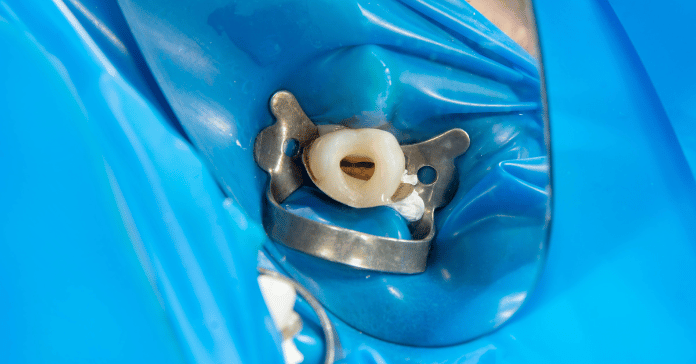
During treatment, the dentist removes the diseased pulp and carefully cleans and shapes the canals. A dental dam is placed to isolate the tooth and keep the area clean and dry. Once the root canals are cleaned, they are filled with gutta-percha to seal the space and prevent reinfection. This step ensures the root of the tooth is fully protected. Proper sealing is essential for long-term success.
Restoring the Tooth After Root Canal Treatment
After the canals are sealed, a temporary filling is placed until a permanent restoration is completed. Depending on the amount of remaining tooth structure, a filling or crown may be recommended. A crown over the tooth provides added strength and protects it from cracking. Restoring the crown of the tooth allows normal chewing and appearance. This final step helps the treated tooth function like a healthy one.
Does Root Canal Treatment Hurt?
Many people worry that root canal treatment will be painful, but modern dentistry has greatly improved comfort. A local anesthetic is used to numb the area, making the procedure feel similar to getting a routine filling. The purpose of root canal therapy is to relieve pain caused by infection, not create more discomfort. Most patients feel significant relief after treatment. Advances in techniques have made the experience much more comfortable than expected.
Recovery and Aftercare Following Root Canal Treatment
After treatment, some mild tenderness is normal as the surrounding tissue heals. Following proper aftercare helps protect the tooth and ensures a smooth recovery.
- Manage Mild Discomfort: Over-the-counter pain relievers can help reduce soreness during the first few days.
- Avoid Chewing on the Treated Tooth: Until the permanent filling or crown is placed, avoid putting pressure on the tooth.
- Maintain Good Oral Hygiene: Brush and floss gently to keep the area clean and prevent infection.
- Attend Follow-Up Visits: Return to your dentist to complete the final restoration and check healing.
- Protect the Tooth with a Crown: After root canal treatment, placing a dental crown helps protect the weakened tooth from fractures. Avoid biting hard foods until the crown is placed, and continue normal care once the crown is fully restored.
How Long Does a Tooth Last After Root Canal Treatment?
A tooth treated with a root canal can last a lifetime when properly restored and cared for. Placing a crown or filling helps protect the tooth from future damage. Good oral hygiene and regular dental visits are essential for long-term success. Treated teeth can function just like natural teeth when maintained well. Consistent care plays a key role in durability.
Possible Risks or Complications of Root Canal Treatment
Although root canal therapy has a high success rate, some risks may occur. Difficult-to-treat canals or complex root anatomy can sometimes lead to reinfection. Pain or swelling may indicate root canal failure. In some cases, root canal retreatment may be needed if bacteria remain hidden. Despite these possibilities, success rates remain very high according to the American Association of Endodontists. Proper technique and follow-up care greatly reduce complications.
Preventing the Need for Future Root Canal Treatment
Preventive care is the best way to avoid pulp damage and future treatment. Simple habits can significantly reduce the risk of infection.
- Schedule Regular Dental Checkups: Routine exams help detect cavities and decay early.
- Treat Cavities Promptly: Early treatment prevents bacteria from reaching the pulp.
- Protect Teeth from Injury: Use mouthguards during sports to avoid cracks and trauma.
- Practice Daily Oral Hygiene: Brushing and flossing help maintain strong enamel and healthy gums.
- Avoid Repeated Stress on Teeth: Address grinding or clenching to reduce wear and damage.
When to See a Dentist for Root Canal Evaluation
You should see a dentist if you experience ongoing tooth pain, sensitivity, or swelling. Early evaluation allows infection to be treated before it worsens or spreads. Delaying care may result in the tooth needing to be extracted. Seeking treatment promptly increases the chance of saving the tooth. Early action leads to better comfort and outcomes.
Conclusion
Root canal treatment is a reliable way to save a tooth that has been damaged by infection or deep decay. When a root canal is explained clearly, it becomes easier to understand that the goal is not to cause pain, but to relieve it. During treatment, the pulp is removed, the inside of the tooth is carefully cleaned, and the canals are sealed to stop bacteria from spreading. This approach allows the tooth to survive without the pulp and continue functioning normally within the mouth.
Choosing root canal treatment instead of having a tooth extracted helps preserve your natural bite and jawbone health. While some teeth may be difficult to treat due to complex root anatomy, modern techniques and tools have made success rates very high. Steps like isolating the tooth with what is called a dental dam and sealing the canals properly play a major role in preventing future infection. With the right restoration, such as a crown, a treated tooth can remain strong and comfortable for many years.
The best way to avoid needing a root canal is prevention through good oral hygiene, early treatment of cavities, and regular dental checkups. If you notice symptoms that cause pain or sensitivity, seeing your dentist early can make treatment simpler and more effective. Root canal treatment is designed to protect your oral health, not threaten it, and timely care can often prevent more serious problems. When in doubt, seek professional advice to protect your smile and avoid unnecessary complications.
