Tooth decay in front teeth can be especially stressful because it affects the most visible part of your smile. A cavity on your front teeth often starts small on the surface of the tooth, but it can quickly become noticeable in color, shape, or texture. Understanding how cavities in the front teeth develop helps you spot problems early and protect your dental health.
Many people are surprised to learn that front teeth cavities are common. The front surface of the tooth, the back of front teeth, and even small gaps between front teeth can trap plaque and bacteria. Over time, this buildup can destroy tooth enamel, leading to decay that spreads deeper inside the tooth.
In this guide, we’ll explain what a cavity on the front tooth looks like, what causes tooth decay, and how dentists treat cavities on front teeth. You’ll also learn the best ways to prevent cavities and what to do if you suspect you have cavities forming.
What Is Tooth Decay in Front Teeth?
Tooth decay in front teeth occurs when bacteria damage the outer enamel on the tooth surface, allowing a cavity is form over time. The front surface of your teeth is especially vulnerable because it is constantly exposed to foods and drinks, plaque buildup, and acids. When enamel breaks down, decay can move into deeper layers of the tooth and affect the inside of the tooth. Since front teeth have thinner enamel compared to back teeth, even minor cavities can develop faster. Understanding basic tooth structure helps explain why protecting this visible part of the tooth is so important.
How Tooth Decay in Front Teeth Differs From Back Teeth?
Front teeth cavities differ from decay in back teeth mainly because they are easier to see and affect the appearance of the tooth earlier. A cavity on a front tooth can quickly change the natural tooth color, making discoloration noticeable when you smile or talk. In contrast, cavities in back teeth often develop on chewing surfaces and may go unnoticed for longer. Front tooth decay also tends to involve the smooth surface of your teeth, while back teeth decay often starts in grooves. Because of this visibility, people often seek treatment for front teeth cavities sooner.

What Does a Cavity on Your Front Teeth Look Like?
A cavity looks like it starts subtly, often appearing as a white spot that signals early signs of tooth decay. As decay gets worse, the spot may turn brown or black, showing that the decayed portion of the tooth is growing. You may also notice roughness or small pits on the tooth surface. In advanced stages, cavities can manifest as visible holes or chips affecting the appearance of the tooth. Spotting these changes early helps catch a cavity before it spreads further.
Symptoms of Front Tooth Decay
Recognizing symptoms early can help you treat a front tooth cavity before serious damage occurs. Common signs include both visible and physical changes that suggest a cavity is developing.
- White or Dark Spots: A white spot or discoloration is often a sign of a cavity starting on the surface of your teeth.
- Sensitivity to Temperature: Pain or discomfort when eating hot or cold foods and drinks may indicate decay has reached sensitive layers.
- Changes in Natural Tooth Color: Front tooth decay can alter the natural tooth color, making one of your front teeth look darker.
- Rough or Uneven Surface: You may feel a rough area where the decayed part of the tooth has weakened.
- Visible Holes or Chips: As cavities in front teeth progress, small holes may become visible.
- Mild to Sharp Pain: Discomfort when biting or chewing can signal decay inside the tooth.
Causes of Cavities in Front Teeth
Several factors contribute to the causes of cavities in the front teeth, often working together over time. Understanding these causes of tooth decay helps reduce the risk of cavities.
- Poor Oral Hygiene: Not brushing and flossing properly allows plaque to stay on the tooth surface.
- Sugary Foods and Drinks: Frequent intake of sweets and acidic foods and drinks feeds bacteria, leading to cavities.
- Bacterial Plaque: Bacteria produce acids that wear down enamel, which causes a cavity to form.
- Dry Mouth: Reduced saliva increases the risk of getting cavities because saliva helps protect your teeth.
- Bottle Tooth Decay: In children, prolonged exposure to sugary liquids can damage a child’s teeth.
- Weak Enamel: Naturally thin or damaged enamel increases the risk of tooth decay in anterior teeth.
How Dentists Diagnose Tooth Decay in Front Teeth?
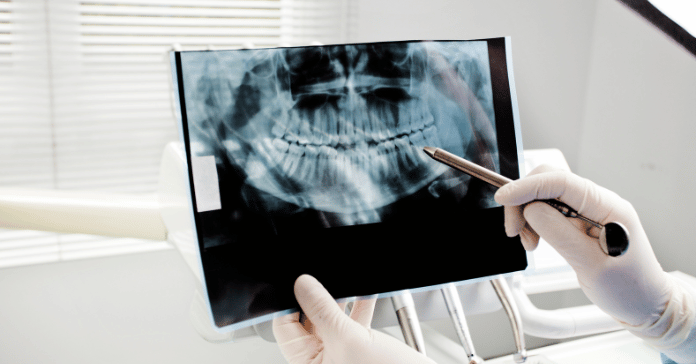
Dentists diagnose tooth decay in front teeth through a careful dental exam and imaging when needed. They visually inspect the surface of your teeth, looking for early signs, such as white spots or changes in tooth structure. Dental X-rays help detect decay between teeth or inside the tooth that may not be visible. During the visit, dentists evaluate your teeth and offer personalized treatment based on how deep the decay has reached. Early diagnosis improves accuracy and allows for more conservative care.
Treatment Options for Tooth Decay in Front Teeth
Treatment for front tooth decay depends on how far the cavity has progressed and focuses on saving the tooth whenever possible. Dentists choose the right treatment to restore function and appearance.
- Dental Fillings: The dentist removes the decayed part of the tooth and fills the tooth with tooth fillings or dental materials to restore shape.
- Fluoride Treatment: Minor cavities and early enamel damage may be reversed with professional fluoride treatment.
- Tooth and Fill Bonding: Tooth-colored fillings blend with natural tooth color to fix front teeth discreetly.
- Root Canal Treatment: When decay has reached the pulp, root canal treatment removes infection and saves the tooth.
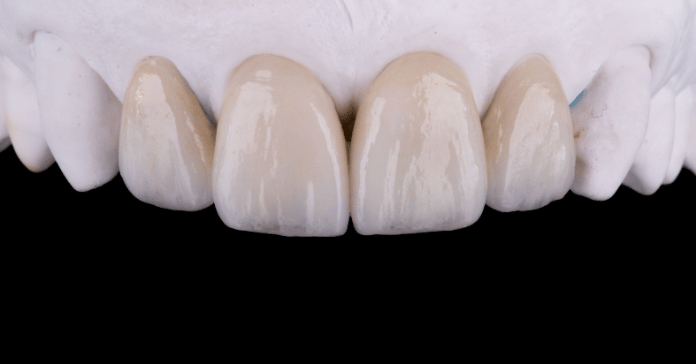
- Tooth Cover Solutions: Veneers or crowns may cover moderately damaged teeth for protection.
- Tooth Extraction: In severe cases where decay has reached deep structures, extraction may be necessary.
Aftercare and Recovery Following Front Tooth Cavity Treatment
Proper aftercare helps protect your teeth and ensures long-lasting results after treatment for front tooth decay. Following your dentist’s advice supports healing and prevents future issues.
- Maintain Oral Hygiene: Brush and floss daily to keep restored teeth clean.
- Avoid Hard Foods: Protect the treated area by avoiding hard or sticky foods initially.
- Monitor Sensitivity: Mild sensitivity is normal, but persistent pain should be checked.
- Protect the Restoration: Avoid habits like biting pens that can damage fillings.
- Regular Dental Visits: Follow-up appointments help ensure healthy teeth and lasting results.
Risks of Ignoring Tooth Decay in Front Teeth
Ignoring tooth decay in front teeth allows minor cavities to grow into larger problems. As decay spreads to deeper layers of the tooth, infection and pain become more likely. Untreated cavities can lead to a dental abscess, requiring root canal therapy or even tooth extraction. Front tooth decay also affects appearance, confidence, and overall oral health. Addressing decay early helps save the tooth and avoid complex procedures.
Ways to Prevent Cavities in Front Teeth
Preventing cavities focuses on daily habits that protect your teeth and reduce the risk of tooth decay. Consistency is key to maintaining healthy teeth.
- Brush and Floss Daily: Clean the surface of your teeth to remove plaque buildup.
- Use Fluoride Products: Fluoride strengthens enamel and helps reverse early tooth decay.
- Limit Sugary Foods: Reduce foods and drinks that increase the risk of cavities.
- Drink Water Often: Water helps rinse bacteria and supports saliva production.
- Protect Your Teeth: Use a mouthguard if you grind your teeth.
- Teach Children Early: Good habits protect children’s teeth and permanent teeth alike.
When to See a Dentist for Tooth Decay in Front Teeth
You should see a dentist as soon as you notice changes in the appearance of the tooth, sensitivity, or visible spots. Early treatment helps fix front tooth issues before decay spreads. Dentists can evaluate your teeth and offer personalized treatment recommendations based on your needs. Prompt care reduces the risk of complications and protects your natural teeth. Regular checkups remain the best way to prevent and manage front teeth cavities effectively.
Conclusion
Tooth decay in front teeth is more than a cosmetic concern; it is a common dental problem that can affect your confidence, comfort, and long-term oral health. Cavities in your front teeth often start quietly, but once bacteria begin to cause cavities, decay can progress quickly due to thinner enamel in this area. Understanding how cavities develop, learning to spot them early, and recognizing when a cavity may need treatment helps you protect the most visible part of your smile.
The good news is that front tooth decay is highly treatable when addressed early. Dentists can recommend the best ways to treat a cavity depending on how deep the decay has progressed, from fluoride treatments and tooth-colored fillings to bonding, veneers, or root canal therapy when needed. Ignoring early signs allows decay to worsen, increasing the chance of infection, pain, or tooth loss. Acting early gives you more conservative options and better cosmetic results.
Prevention remains the most effective approach. Daily brushing and flossing, limiting sugary foods, using fluoride products, and scheduling regular dental visits all help prevent tooth decay before it starts. By applying these habits consistently, you reduce the risk of developing a cavity and protect your natural teeth. If you notice any changes in your front teeth, don’t wait; seeing a dentist promptly is the best step toward maintaining a healthy, confident smile.
