Gingival recession treatments focus on managing and repairing gums that have pulled away from the teeth, exposing the gingival margin and tooth roots. When gums are receding, teeth may appear longer, sensitivity can increase, and the risk of gum disease rises. Early diagnosis and the right treatment plan can help protect healthy gums and prevent further damage.
Gum recession is a common dental condition and may be caused by gum disease, aggressive brushing, gingival retraction, or natural changes in gum tissue over time. In many cases, recession develops slowly and goes unnoticed until symptoms of gum recession appear. Understanding the causes of receding gums is key to choosing the most effective treatment of gingival recession.
This guide explains how dentists diagnose gum recession, review gum recession treatment options, and decide between non-surgical care or surgical techniques, such as traditional gum grafting. Below, we will discuss the causes, symptoms, treatment options, recovery, risks, and ways to prevent receding gums.
What Is Gingival Recession?
Gingival recession is a common dental condition where the gingival or gum tissue gradually pulls back from the teeth, exposing more of the tooth surface or the exposed root. As the gum line shifts, the protective soft tissue that normally covers the teeth and gum margin becomes thinner and less effective. Over time, this change can affect both teeth and gum stability and increase sensitivity.
Gingival recession treatments focus on protecting oral health and preventing further damage to the gingival tissue. Because the prevalence of gingival recession increases with age, many people experience some degree of recession during their lifetime.
Common Causes of Gum Recession
In many cases, gum disease and gum recession develop together, as bacterial infection gradually damages the soft tissue supporting the teeth. Plaque and tartar buildup along the gumline can irritate the tissue, trigger gum inflammation, and slowly push the gums away from the tooth surface.
Aggressive brushing habits, poor oral hygiene, and untreated dental problems can also cause gum recession by wearing down delicate gum tissue over time. When these issues are not addressed early, they can lead to gum recession that exposes tooth roots and increases sensitivity.
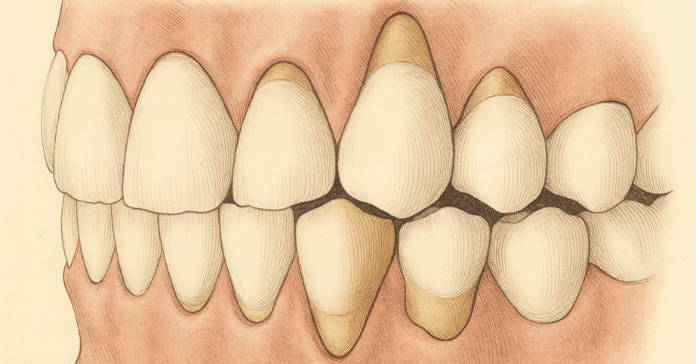
Gum Disease and Gingival Recession
Gum disease and gingival recession are closely linked, as untreated infection damages the supporting tissues around teeth. When periodontal disease progresses, it breaks down gingival tissue and bone, leading to exposed roots and deeper pockets. People predisposed to gum disease often experience faster tissue loss and more severe recession. Early diagnosis and treatment of gum disease can slow or stop further damage. Treating gum recession often starts with controlling infection and inflammation.
Brushing Habits and Mechanical Trauma
Improper brushing technique is a common but preventable cause of gum recession. Using excessive force, hard-bristled brushes, or incorrect angles repeatedly traumatizes the gum line. Over time, this mechanical stress creates small areas of recession that gradually worsen. These minor receding gums may not cause pain initially, making them easy to overlook. Correct brushing habits play a major role in preventing further gum loss.
Other Factors That Cause Gum Recession
While daily habits and oral health conditions play a major role, several additional factors are associated with gum recession and influence how it progresses in different patients:
- Thin or Fragile Gum Tissue: Some people naturally have thinner tissue or specific types of gum that are more prone to pulling back, even with good oral care.
- Tooth Position and Alignment: Teeth that are crowded, rotated, or positioned outside the bone can place extra stress on the gums and lead to gum recession over time.
- Aging and Tissue Changes: As people age, natural changes in the mouth can reduce gum resilience, making recession more likely to develop gradually.
- Disproportionate Gum Coverage: Uneven or disproportionate gum coverage around teeth can create weak areas where the gums recede more easily.
- Underlying Oral Conditions: Certain conditions associated with gum recession may affect blood flow or tissue health, increasing vulnerability to damage.
- Chronic Irritation or Trauma: Repeated irritation from habits or dental appliances can slowly break down gum tissue and contribute to recession.
Symptoms and Signs of Gum Recession
The signs of gum recession can be subtle at first, which is why many cases go unnoticed until damage has progressed. Recognizing early symptoms helps patients seek timely diagnosis and treatment.
- Exposed Tooth Roots: Visible root surfaces appear longer and darker than the enamel.
- Tooth Sensitivity: Sensitivity to hot, cold, or sweet foods is common due to exposed dentin.
- Receding Gum Line: The gum line appears uneven or lower than normal around certain teeth.
- Changes in Tooth Appearance: Teeth may look longer as gum tissue pulls back.
- Localized Gum Discomfort: Mild soreness or irritation can occur near the area of recession.
- Increased Risk of Tooth Loss: Advanced cases of gum recession can lead to weakened tooth support.
Diagnosing Gingival Recession
Diagnosing gingival recession involves a detailed clinical examination by a dentist or gum specialist. The provider measures the depth of recession, identifies affected areas of gum recession, and evaluates the health of the surrounding tissues. Dentists use bleeding on probing to assess gum health during exams.
An assessment of oral hygiene habits and signs of gum disease is also included. X-rays may be used to check bone support around teeth. Accurate diagnosis and treatment planning help determine whether non-surgical or surgical care is needed.
Non-Surgical Treatments for Gingival Recession
Non-surgical treatment options are often recommended for mild gum recession or early-stage cases. These gingival recession treatments aim to stabilize the gum line, reduce sensitivity, and prevent further damage.
- Professional Dental Cleaning: Scaling and root planing remove plaque and bacteria below the gum line.
- Improved Oral Hygiene Practices: Personalized brushing and flossing techniques help protect the gingival tissue.
- Desensitizing Treatments: Fluoride or bonding agents reduce discomfort from exposed roots.
- Orthodontic Treatment: Correcting tooth alignment reduces pressure on vulnerable gum areas.
- Composite Bonding: Tooth-colored material covers exposed root surfaces to protect and improve appearance.
- Lifestyle Modifications: Quitting smoking and managing health conditions support gum healing.
Monitoring Mild Gum Recession
In some cases, monitoring mild gum recession is the best approach. Dentists may recommend observation when the recession is stable and not causing symptoms. Regular dental visits allow close evaluation of any changes in the receding gum line. Professional cleanings help control plaque and reduce inflammation. Ongoing maintenance plays a key role in preventing progression.
Surgical Treatments for Gingival Recession
Surgical treatment becomes necessary when non-surgical methods cannot restore lost tissue or protect exposed roots. Advanced gingival recession treatments focus on rebuilding soft tissue and improving long-term tooth stability. Mucogingival surgery is commonly used to reposition or replace lost gingival tissue. These procedures improve both function and appearance while reducing sensitivity.
Surgical options often include gingival augmentation techniques, such as a free gingival graft or connective tissue graft. Donor tissue is frequently taken from the roof of your mouth and placed over the exposed root. These procedures help restore proper gum coverage and protect teeth from further damage. Surgical care is usually performed by a gum specialist or dentist with advanced training.

Combined Restorative and Surgical Treatment Options
Some cases require a combined restorative and surgical approach to achieve optimal results. Restorative treatments, such as crowns or bonding, may be used alongside surgery to protect teeth affected by gum recession. This approach helps stabilize the gum line and improve bite function. Coordinated care supports long-term oral health and reduces the risk of future complications. Combining treatments addresses both structural and aesthetic concerns.
Recovery After Gingival Recession Treatments
Recovery varies depending on the type of gingival recession treatments performed, especially when surgery is involved. After receding gums treatment, patients should follow their dentist’s post-treatment instructions throughout the recovery period to support proper healing and reduce complications.
- Initial Healing Period: Mild swelling and discomfort are normal during the first few days.
- Diet Adjustments: Soft foods are recommended to avoid irritating the treated area.
- Oral Hygiene Modifications: Special cleaning instructions protect healing gingival tissue.
- Activity Limitations: Strenuous activity should be avoided to support proper healing.
- Gum Graft Recovery Timeline: Full healing may take several weeks as tissue integrates.
- Follow-Up Visits: Regular checkups ensure proper healing and detect early gum graft failure.
Risks and Limitations of Gum Recession Treatment
While gingival recession treatments are generally effective, they have limitations. Healing outcomes depend on oral hygiene, overall health, and the severity of recession. Some patients may experience incomplete root coverage or sensitivity after treatment. Gum graft failure is rare but possible, especially if aftercare instructions are not followed. Realistic expectations and consistent follow-up care are essential for long-term success.
How to Prevent Receding Gums?
Preventing gum recession focuses on protecting the gum line and maintaining healthy daily habits. Consistent care reduces the likelihood of developing future recession.
- Use Gentle Brushing Techniques: Soft-bristled brushes and light pressure protect gingival tissue.
- Maintain Good Oral Hygiene: Daily brushing and flossing reduce plaque buildup and inflammation.
- Treat Gum Disease Early: Prompt treatment helps prevent gum disease from progressing.
- Attend Regular Dental Visits: Routine exams allow early detection of minor receding gums.
- Avoid Tobacco Products: Smoking increases the risk of tissue damage and poor healing.
- Protect Teeth from Trauma: Wearing mouthguards prevents injury-related gum recession.
Conclusion
Gingival recession treatments play an important role in protecting both the gums and the teeth from long-term damage. As gums pull away from the teeth, exposed roots can lead to sensitivity, a higher risk of decay, and loss of support around the tooth. This condition is often caused by gum recession linked to gum disease, aggressive brushing, tooth position, or natural changes in gum tissue. Early diagnosis allows dentists to slow progression and choose the most effective treatment approach before complications develop.
Treatment options depend on the severity of the recession and the underlying cause. Mild cases may be managed with improved oral hygiene, professional cleanings, desensitizing treatments, and careful monitoring.
More advanced cases may require surgical solutions, such as gum grafting, to restore lost tissue and protect exposed roots. In some situations, combining restorative and surgical care provides better stability, comfort, and appearance while supporting long-term oral health.
Preventing future recession is just as important as treating existing damage. Gentle brushing techniques, regular dental visits, early treatment of gum disease, and avoiding habits that irritate the gums can significantly reduce risk.
If you notice signs of receding gums or increased sensitivity, seeking professional advice early can make a meaningful difference. With the right care plan and consistent prevention, gingival recession treatments can help preserve healthy gums, strong teeth, and a confident smile.
