Wondering “how long does a cavity filling take?” This is one of the most common questions patients ask before getting a tooth filling. The answer depends on several factors, including the size of the cavity, the filling material used, and the location of the tooth.
A cavity filling is one of the most common dental procedures performed by a dentist. During the filling process, the dental professional removes tooth decay, cleans the cavity, and places a dental filling to restore the tooth structure. In many cases, a simple cavity can be filled in about 20-30 minutes, while more complex fillings may take longer.
Understanding the cavity filling timeline can help reduce dental anxiety and set realistic expectations for your visit. In this blog post, we will discuss how long a cavity filling takes, what affects the time, and what happens before, during, and after the procedure.
What Is a Cavity Filling and Why Is It Needed?
A cavity filling is a common dental treatment used to repair a tooth damaged by tooth decay and restore its normal shape and function. When you are getting a cavity, bacteria break down enamel and dentin, leaving behind decayed tooth material that weakens the tooth structure.
Your dentist will examine the affected area, often during routine dental exams, to determine the extent of tooth decay and whether a tooth filling needs to be placed. A dental filling protects the tooth by sealing the area around the cavity and preventing bacteria from causing further damage. Without treatment, decay can spread deeper into the tooth, leading to pain, infection, or more complex procedures.
How Long Does a Cavity Filling Take on Average?
How long a cavity filling takes on average depends on several factors, but most appointments are quick and efficient with modern dental techniques. In many cases, a cavity filling takes about an hour or less from start to finish, especially for small to moderate cavities.
Simple fillings may take 20-30 minutes, while more complex cases can take a little longer. Factors such as the location of the cavity, the material your dentist uses, and whether multiple cavities that need treatment are involved all influence how long it takes. Your dentist can give a more accurate estimate once they evaluate your tooth.

Step-by-Step Cavity Filling Procedure and Time Involved
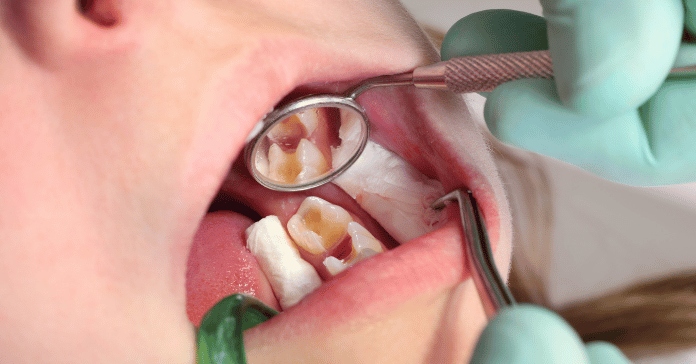
The cavity filling procedure follows a predictable sequence, and each step contributes to how long a filling takes overall. First, the dentist will examine the tooth, take X-rays if needed, and decide on the filling placement based on the extent of decay. Next, the dentist will numb the area around the cavity so you remain comfortable in the dental chair, which usually takes a few minutes to fully work.
Once numb, the dentist uses a dental drill or laser to remove decay from the tooth, carefully clearing all damaged material. After cleaning the area, the dentist will fill the cavity using the chosen material and shape it to match your natural bite. The dentist will polish the filling to smooth rough edges, ensuring the filling doesn’t interfere with chewing. From start to finish, this step-by-step process explains why most fillings take a short, predictable amount of time.
How Long Does a Cavity Filling Take by Filling Material Type?
The type of filling material used to fill your cavity plays an important role in how long it will take. Some materials set immediately, while others require extra steps or curing time. The dentist will choose the material based on the location of the cavity, durability needs, and aesthetic concerns. Understanding these differences helps explain why cavity filling takes different amounts of time for different patients. Asking your dentist how long your specific filling will take can help set clear expectations.
Composite Resin Fillings
Composite resin fillings are tooth-colored and commonly used for visible teeth, but they often take longer to place. The dentist will use composite filling material in layers, curing each layer with a special light so the filling is placed securely. This layering process increases procedure time, but it allows the filling to blend naturally with your tooth.
Composite resin fillings also require careful shaping and polishing to achieve a smooth finish. Because of these extra steps, composite fillings may take a little longer than other options.
Amalgam and Gold Fillings
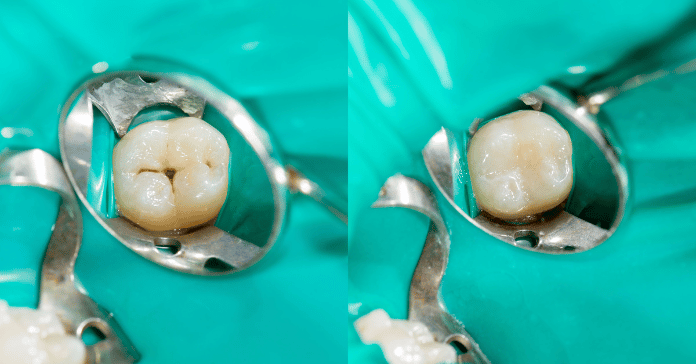
Amalgam fillings are durable and often used for back teeth, and they generally take less time to place than composite options. The dentist will remove decay, pack the amalgam material into the cavity, and shape it efficiently.
Gold fillings, while extremely long-lasting, usually require more than one visit because an impression of your tooth is sent to a lab. This means the initial appointment may be shorter, but the total treatment time is longer. Both options are known for strength and long-term reliability.
Ceramic Fillings
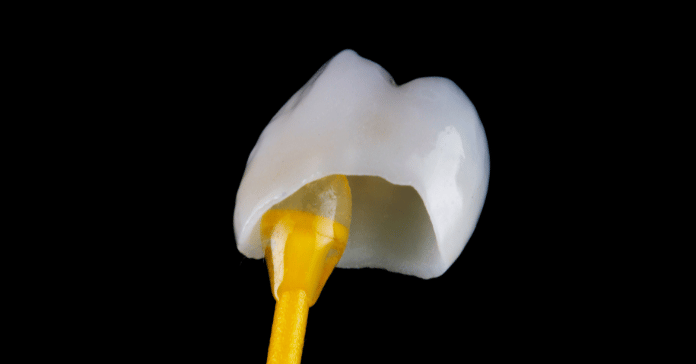
Ceramic fillings, or porcelain fillings, are often chosen for their natural appearance and resistance to staining. These fillings may require digital scans or impressions and can take longer than standard fillings.
In some cases, they are created using modern dental technology in the same visit, while others require a temporary filling. The placement process is precise, which adds to the total time needed. Ceramic fillings balance aesthetics with durability, making the extra time worthwhile for many patients.
How Long Does It Take for a Filling to Set?
How long it takes for a cavity filling to set depends largely on the material used. Composite fillings harden immediately when cured with a special light, allowing you to leave the office with a fully set filling.
Amalgam fillings take 24 hours to fully harden and may require avoiding hard foods for a short period. Gold and ceramic fillings are fully set once bonded or cemented into place. Your dentist will explain any precautions you should follow after the appointment.
How Long Does It Take to Heal After a Cavity Filling?
Healing after a cavity filling is usually quick, but some patients experience mild tooth sensitivity for a few days. Sensitivity to hot, cold, or pressure is common as the area around the cavity adjusts. The numb feeling from anesthesia may last a few hours, but normal sensation returns gradually.
Most people can resume normal activities the same day, as fillings do not take long to heal. If discomfort lasts longer than expected or have pain after a cavity filling, it’s best to contact your dentist.
How Long Do Dental Fillings Last Over Time?
Dental fillings are one of the most reliable ways to restore a damaged tooth, but how long your filling lasts depends on several factors. With proper care, fillings can last many years and protect your dental health effectively. Understanding the life of your filling helps you make informed decisions about treatment and maintenance.
- Type of Filling Material: Amalgam, composite, ceramic, and gold fillings all have different lifespans, with gold fillings lasting the longest.
- Location of the Filling: Fillings on back teeth experience more pressure and may wear faster than those on front teeth.
- Oral Hygiene Habits: Regular brushing, flossing, and dental check-ups help fillings last longer.
- Biting and Chewing Forces: Grinding or clenching can shorten the life of your filling.
- Regular Dental Visits: Routine exams allow your dentist to monitor fillings and address issues early.
- Overall Dental Health: Healthy gums and surrounding teeth support the filling and reduce complications.
Tips to Make Your Cavity Filling Appointment Faster and Easier
Preparing properly can make your cavity filling appointment smoother and help avoid delays. Simple habits and communication with your dentist can reduce stress and ensure efficient treatment.
- Schedule Regular Dental Check-Ups: Early detection means smaller fillings that take less time.
- Treat Cavities Early: Addressing decay promptly prevents the need for longer procedures.
- Ask Your Dentist Questions: Understanding how long a cavity filling takes helps you plan better.
- Follow Pre-Appointment Instructions: Eating and oral care guidance can keep the visit on track.
- Maintain Good Oral Hygiene: Healthy teeth reduce complications during filling placement.
- Stay Relaxed in the Dental Chair: Remaining calm helps the dentist work efficiently.
When to Contact Your Dentist After a Filling?
After a filling is placed, it’s important to monitor how your tooth feels over the next few days. Persistent pain, discomfort when biting, or sensitivity that does not improve may indicate a problem with the filling.
If the filling feels too high or rough, it can interfere with your bite and should be adjusted. Swelling or signs of infection are also reasons to visit your dentist promptly. Contact your dentist if anything feels unusual, as early follow-up ensures the filling lasts and protects your tooth effectively.
Conclusion
Understanding how long a cavity filling takes helps remove uncertainty and makes dental treatment feel more manageable. In most cases, a filling does not take too long, especially when cavities are treated early. Simple fillings can often be completed in one visit, while the exact time depends on the size of the cavity, the tooth location, and the material used.
The type of filling also plays a key role in timing and comfort. Composite and glass ionomer fillings may take slightly longer because of layering and setting steps, while other materials may set faster once placed.
Regardless of the material, once fillings are set, your dentist carefully checks the bite and smooths the area around the filling so it feels natural. Even if some materials need a short period to reach full strength, the process itself is efficient and designed to restore function quickly.
Overall, most patients are surprised by how short and straightforward the appointment feels from start to finish. Knowing how long can you expect a filling visit to last can ease anxiety and encourage early treatment before cavities grow larger and require multiple appointments. If you suspect decay or feel discomfort, don’t wait. Contact your dentist early to protect your tooth, reduce treatment time, and keep your smile healthy.
