If your tooth feels sensitive after getting a crown, you’re probably wondering whether something went wrong. The good news is that tooth sensitivity after crown placement is often normal, especially during the first few days or weeks. Your tooth may react to hot drinks, cold foods, or pressure while it adjusts. However, some types of sensitivity can point to problems that need a dentist’s attention.
The tricky part is knowing where normal healing ends and when to take symptoms seriously. Is a quick twinge when drinking iced water expected? What if the discomfort gets worse instead of better? The timing, triggers, and type of pain can offer important clues about what’s happening beneath the crown.
Understanding the difference can help you avoid unnecessary worry while also recognizing warning signs early. Some cases improve with time and simple care at home, while others may require adjustments or additional treatment. Knowing what to watch for can help you decide what your next step should be.
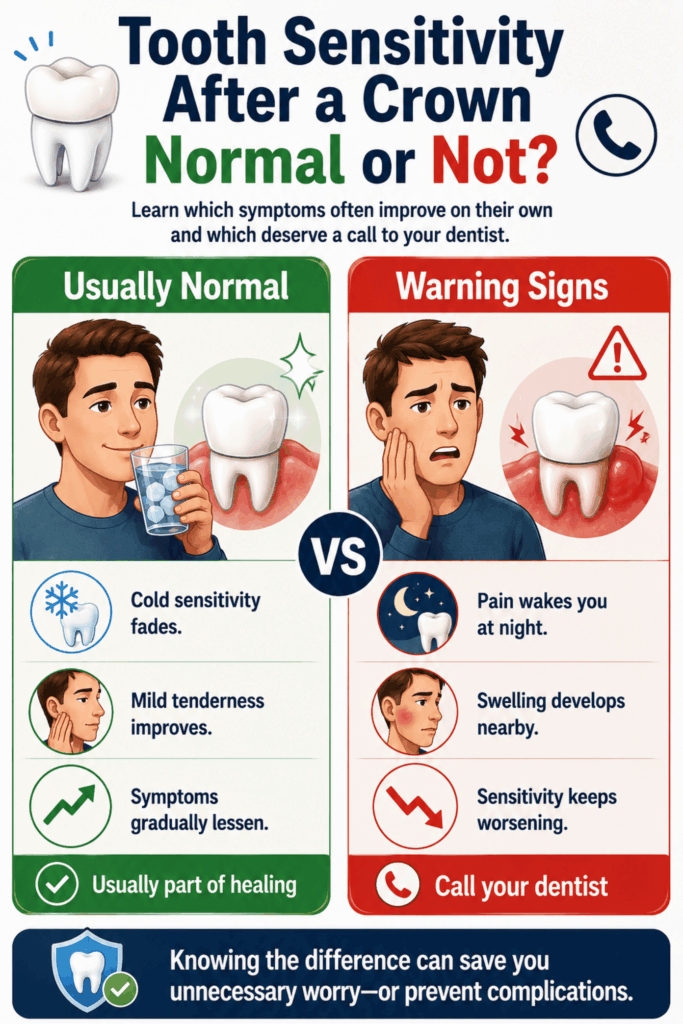
Why Does Tooth Sensitivity After Crown Happen?
Tooth sensitivity after a crown is a common experience, especially during the first days or weeks after receiving a dental crown. During the crown placement procedure, your dentist reshapes the tooth by removing a portion of the tooth enamel to make room for the new crown. Even though this treatment protects damaged teeth, the underlying tooth and surrounding tissues may temporarily react to the procedure. As a result, many people experience sensitivity to hot or cold foods, pressure on the crown, or mild discomfort and sensitivity.
What surprises many patients is that not all sensitivity after a crown means the same thing. Sometimes, sensitivity after getting a dental crown is simply part of the healing process as the tooth adjusts and surrounding tissues recover. In other cases, persistent symptoms may point to an issue with the crown, the tooth nerve, or the supporting structures. Understanding the difference can help you know when to relax and when to call your dentist.
When Tooth Sensitivity After Crown Is Normal
Mild tooth sensitivity after crown placement is often expected. The tooth and surrounding tissues may need time to adjust to the new crown, especially if the crown placement is a common treatment performed after extensive dental work. Sensitivity is common after getting a crown and usually improves gradually. The discomfort often appears when eating hot or cold foods, biting down, or brushing around the crowned tooth.
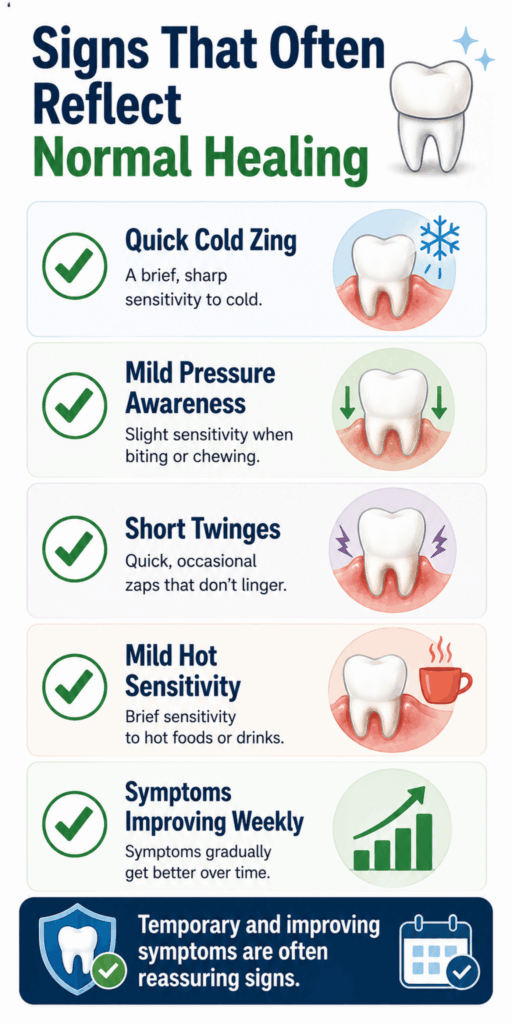
- Temperature Sensitivity: Brief sensitivity to hot or cold drinks is common because the middle layer of the tooth may temporarily become more reactive.
- Mild Pressure Discomfort: The crowned tooth may feel slightly tender when chewing during the early healing period.
- Gum Tenderness: The gum tissue around the crown can feel sore from the dental crown placement procedure.
- Occasional Twinges: Short, mild episodes of sensitivity after a dental crown can occur without indicating a serious problem.
- Steady Improvement: Normal sensitivity should become less frequent and less intense over time.
How Long Does Normal Sensitivity Last?
Temporary sensitivity after getting a dental crown often improves within a few days to two weeks. In some cases, sensitivity after crown placement may last several weeks, especially if extensive work was performed, a temporary crown was worn before the permanent crown, or the tooth had deep decay before treatment. Individual healing differences also matter. The key sign of normal healing is gradual improvement. If sensitivity persists beyond several weeks without getting better, it deserves further evaluation.

What Normal Sensitivity Often Feels Like
- Brief Cold Sensitivity: You may feel a quick zing when drinking cold water or eating ice cream that fades within seconds.
- Mild Hot Reactions: Sensitivity to hot foods or beverages can occur but should not linger after the trigger disappears.
- Sweet Food Sensitivity: Sugary foods may temporarily trigger sensitive teeth after receiving a dental crown.
- Pressure Awareness: The crown feels slightly different when chewing but becomes more comfortable as the tooth adjusts.
- Occasional Sharp Twinges: Short-lived sensations that come and go without increasing in intensity are often part of healing.
- Gradual Improvement: Symptoms should improve week by week rather than becoming stronger or more frequent.
When Tooth Sensitivity After Crown Is Not Normal
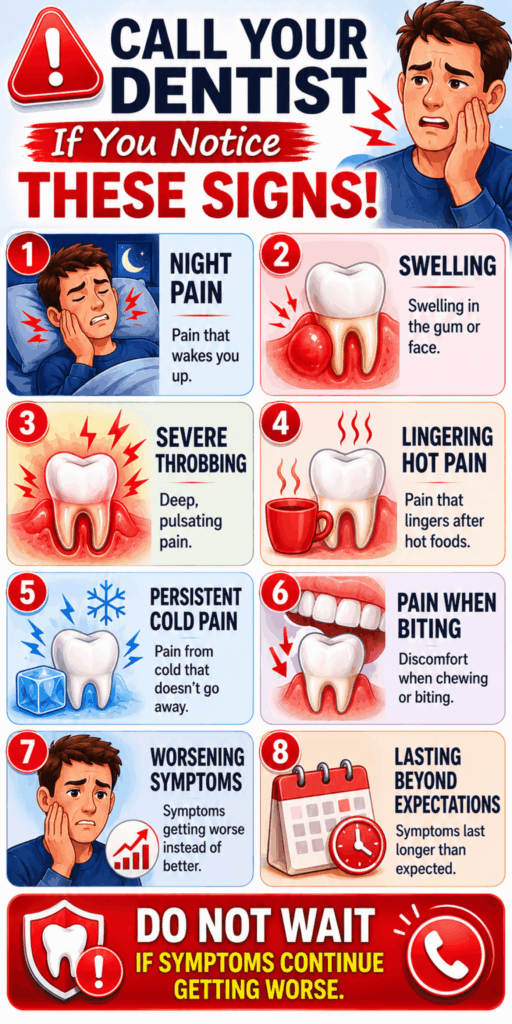
Not every case of tooth sensitivity after a crown is harmless. When sensitivity continues beyond the expected healing period, becomes more severe, or develops alongside other symptoms, it may indicate an underlying problem. The sooner the cause is identified, the easier it often is to address before complications develop.
- Worsening Pain: Sensitivity that becomes more intense instead of improving.
- Lingering Temperature Pain: Pain that continues long after exposure to hot or cold foods.
- Nighttime Pain: Discomfort that wakes you from sleep or prevents rest.
- Swelling: Puffiness around the gums or face near the crowned tooth.
- Biting Pain: Sharp pain when chewing that does not improve.
- Persistent Symptoms: Sensitivity months after crown placement that continues without explanation.
Symptoms That Deserve a Call to the Dentist
- Severe Throbbing Pain: Intense pain may indicate nerve inflammation or infection.
- Pain That Wakes You at Night: Nighttime discomfort often suggests a deeper issue affecting the tooth nerve.
- Increasing Sensitivity: Sensitivity that keeps getting worse instead of better should not be ignored.
- Visible Swelling: Swelling around the crown or gums requires prompt evaluation.
- Prolonged Hot Sensitivity: Pain that lingers for minutes after consuming hot foods may signal nerve involvement.
- Persistent Cold Pain: Sensitivity to cold that lasts longer than expected deserves attention.
- Pain When Biting: Discomfort during chewing may indicate a high crown or hidden crack.
- Symptoms Lasting Beyond Expectations: Sensitivity persists beyond the normal healing period without improvement.
Common Causes of Tooth Sensitivity After Crown
Tooth sensitivity after a dental crown can develop for several reasons. Identifying the cause helps determine the right solution. Sometimes the explanation is simple and temporary. Other times, additional treatment may be necessary.
- Normal Tooth Nerve Irritation: The tooth nerve reacts to the crown procedure and gradually settles.
- A High Crown That Changes Your Bite: Uneven bite pressure creates discomfort during chewing.
- Gum Tissue Irritation Around the Crown: Healing gums contribute to tenderness and sensitivity.
- Tooth Decay Around the Crown Margins: New decay can develop where the crown meets the tooth.
- Problems Affecting the Tooth Nerve: Significant nerve inflammation may require root canal therapy.
- Cracked Tooth or Hidden Structural Problems: Undetected fractures can cause ongoing pain.

Normal Tooth Nerve Irritation
Preparing a tooth for a dental crown requires removing some tooth structure. This process can temporarily irritate the nerve inside the tooth, leading to temporary sensitivity. The tooth may experience sensitivity to hot or cold because the inner tissues become more reactive after treatment. Fortunately, in many cases, the nerve gradually calms down as healing progresses.
A High Crown That Changes Your Bite
Even a crown that is only slightly too high can create significant pressure on the crown during chewing. Because teeth are highly sensitive to bite forces, an improperly fitted crown can cause discomfort and sensitivity that feels worse when biting down. The good news is that a simple adjustment often restores comfort quickly and allows the crown to fit perfectly.
Gum Tissue Irritation Around the Crown
The tooth and surrounding tissues may become inflamed after receiving a dental crown. The gum tissue around the crowned tooth can feel tender from the placement procedure itself or from temporary irritation caused by dental instruments. This discomfort typically improves as the gums heal and adapt to the crown.
Tooth Decay Around the Crown Margins
Although a crown covers much of the tooth, it does not make the tooth immune to decay. Bacteria can enter the area where the crown meets the natural tooth, especially if plaque accumulates. Over time, tooth decay around the crown margins can expose sensitive areas of the tooth and cause tooth sensitivity months after crown placement.
Problems Affecting the Tooth Nerve
Sometimes the nerve inside the tooth becomes inflamed beyond its ability to recover naturally. This may happen if the tooth had extensive decay, previous trauma, deep fillings, or significant irritation during crown placement.
When nerve damage progresses, symptoms often change. Patients may notice lingering sensitivity to hot, spontaneous pain, throbbing discomfort, or pain that wakes them at night. In these situations, root canal treatment may be necessary to remove the damaged tissue and preserve both the tooth and the permanent crown.
Cracked Tooth or Hidden Structural Problems
A crown placed on a tooth cannot always eliminate the effects of an existing crack. Hidden fractures in the remaining tooth structure may allow tiny movements during chewing, causing sharp pain with biting pressure or temperature changes. Because cracks are not always visible, diagnosing them sometimes requires additional testing.
How Dentists Find the Cause of Sensitivity
Diagnosing tooth sensitivity after getting a dental crown involves more than simply looking at the crown. Dentists combine your symptoms, timing, examination findings, and diagnostic tests to identify the true source of discomfort.
- Symptom Review: Understanding when the sensitivity started and what triggers it.
- Clinical Examination: Evaluating the crown, gums, and nearby teeth.
- Bite Analysis: Checking whether the crown contacts opposing teeth evenly.
- Dental X-Rays: Looking beneath the surface for hidden problems.
- Additional Testing: Assessing nerve health and structural integrity.
Clinical Examination
Your dentist carefully examines the crown, surrounding gums, and neighboring natural teeth. Questions about when the sensitivity began, whether it is triggered by hot or cold, and how long it lasts help narrow down potential causes. The appearance of the crown margins and gum tissues also provides valuable clues.
Bite Assessment
Dentists often use special marking paper to evaluate how your teeth meet during chewing. If the crown is placed slightly too high, excessive force may concentrate on that tooth. Small bite adjustments can significantly improve comfort and alleviate sensitivity.
Dental X-Rays and Additional Tests
Dental X-rays help evaluate the tooth root, bone, and supporting structures beneath the crown. Additional tests, such as percussion testing, temperature testing, or bite assessments, may be used to determine whether the nerve remains healthy or if another condition is responsible for the symptoms.
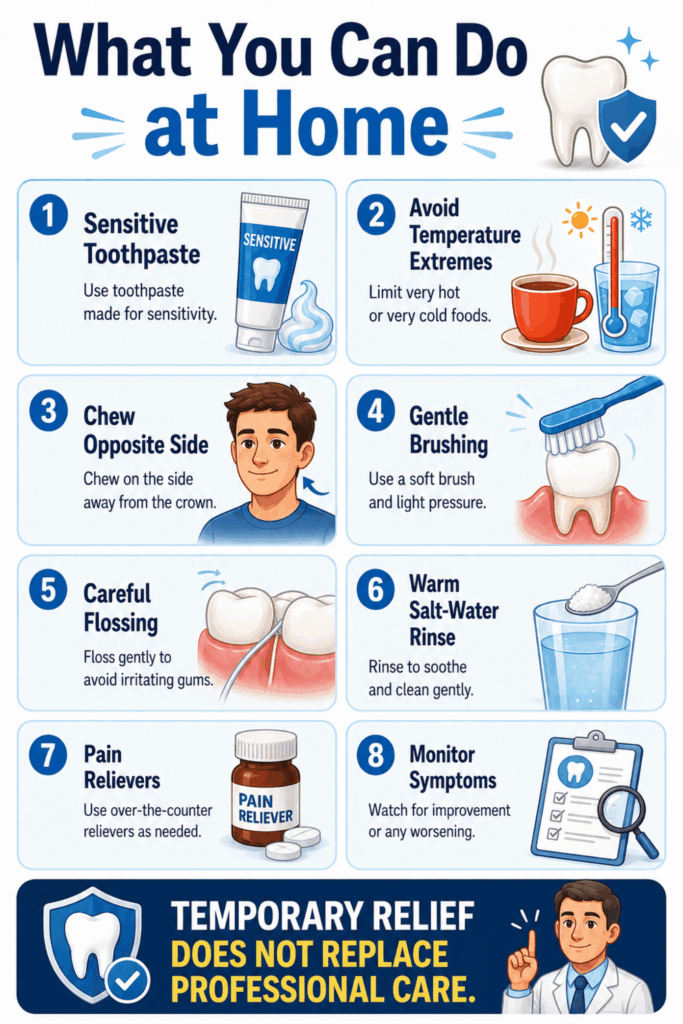
What You Can Do at Home for Temporary Relief
- Use Toothpaste for Sensitive Teeth: Desensitizing toothpaste can help reduce sensitivity by blocking pain signals reaching the nerve.
- Avoid Temperature Extremes: Choose foods and drinks that are not extremely hot or cold during recovery.
- Chew on the Opposite Side: Minimize pressure on the crowned tooth while symptoms improve.
- Brush Gently: Use a soft-bristled toothbrush to clean around the crown without irritating healing tissues.
- Floss Carefully: Maintain good oral hygiene to reduce inflammation around the crown.
- Rinse With Warm Salt Water: This may soothe irritated gum tissue.
- Take Pain Relievers as Directed: Over-the-counter medications can relieve sensitivity temporarily if appropriate for you.
- Monitor Your Symptoms: Keep track of whether discomfort improves, stays the same, or worsens.
- Know When to Call: Home care supports healing but does not replace professional evaluation when warning signs appear.
Treatment Options for Tooth Sensitivity After Crown
Treatment depends on the underlying cause rather than the symptom alone. Once your dentist identifies why you experience tooth sensitivity after a crown, the most appropriate approach can be selected.
- Monitoring and Time: Allowing normal healing to occur.
- Bite Adjustment: Correcting pressure caused by a high crown.
- Desensitizing Treatments: Reducing nerve sensitivity.
- Root Canal Treatment: Addressing irreversible nerve damage.
- Crown Replacement: Correcting issues with the crown itself.

Monitoring and Time
When sensitivity after a crown reflects normal healing, observation may be the best approach. Many patients experience sensitivity that steadily improves as the tooth adjusts. Regular follow-up allows your dentist to confirm that recovery is progressing as expected.
Bite Adjustment
If an improperly fitted crown causes excessive pressure, your dentist can carefully reshape small areas of the crown. This simple procedure often provides rapid relief and improves chewing comfort without replacing the restoration.
Desensitizing Treatments
Desensitizing products may help reduce sensitivity in suitable situations. Sensitive teeth can help reduce discomfort when treated with special toothpastes, fluoride varnishes, or in-office agents designed to seal exposed pathways and minimize sensitivity.
Root Canal Treatment
If the nerve inside the tooth becomes irreversibly inflamed or infected, root canal therapy may become necessary. During this procedure, the damaged tissue inside the tooth is removed, the canals are cleaned and sealed, and the existing crown may often remain in place.
Although the idea of a root canal can sound intimidating, it frequently relieves pain and allows you to keep your natural tooth. In many cases, it prevents the need for extraction while preserving the investment already made in the crown.
Crown Replacement
Sometimes replacing the crown provides the best long-term outcome. An ill-fitting crown can cause ongoing sensitivity, trap bacteria, or create bite problems. A properly designed replacement that fits accurately may resolve persistent symptoms and protect the underlying tooth.
How to Care for a Sensitive Tooth With a Crown
- Brush Twice Daily: Keep the crown and surrounding teeth clean using a soft toothbrush.
- Use Desensitizing Toothpaste: Apply it consistently to help relieve sensitivity.
- Floss Every Day: Remove plaque around the crown margins to protect against tooth decay.
- Avoid Hard Foods Initially: Reduce stress on the crowned tooth during recovery.
- Limit Extremely Hot or Cold Foods: Prevent unnecessary irritation while healing.
- Wear a Night Guard if Recommended: Protect the crown if you grind or clench your teeth.
- Attend Dental Checkups: Regular visits help identify small problems before they worsen.
- Report Persistent Symptoms: Contact your dentist if sensitivity continues beyond expectations.
Frequently Asked Questions About Tooth Sensitivity After Crown
Is Tooth Sensitivity After Crown Normal?
Yes. Tooth sensitivity after a crown is normal for many people, especially during the first days or weeks after treatment. Mild sensitivity to hot or cold foods, slight tenderness, and temporary discomfort often improve as the tooth adjusts. Symptoms that worsen or persist beyond the expected healing period should be evaluated.
Can a Crown Cause Sensitivity Months Later?
Yes. Tooth sensitivity months after crown placement can happen because of decay around the crown margins, bite changes, gum recession, cracks, or problems affecting the tooth nerve. Delayed symptoms are not always emergencies, but they should not be ignored.
Will I Need a Root Canal After a Crown?
Not necessarily. Many teeth recover naturally after crown placement and never require additional treatment. However, if the nerve becomes severely inflamed or infected, root canal therapy may be the best way to save the tooth and crown.
Can I Eat Normally With a Sensitive Crown?
Most people can gradually return to normal eating habits as symptoms improve. During recovery, it is wise to avoid extremely hot or cold foods, chew on the opposite side if needed, and choose softer foods until the crowned tooth feels comfortable again.
The Bottom Line on Tooth Sensitivity After Crown
Tooth sensitivity after a crown is often part of the normal healing process. Mild symptoms that improve over time usually reflect temporary nerve irritation or tissue adjustment after receiving a dental crown.
However, sensitivity that worsens, lingers, or appears alongside swelling, severe pain, or nighttime discomfort deserves professional attention. If you are unsure whether what you are experiencing is normal, contact your dentist. A timely evaluation can provide peace of mind, identify the cause, and help protect your natural tooth for years to come.
