Your gums do more than frame your smile. They’re the foundation that holds your teeth in place and keeps your entire mouth healthy. But what happens when they start to bleed, swell, or pull away from your teeth? These could be early signs of a common dental problem known as gum disease. And while the idea of losing the tissue and bone that support your teeth might sound alarming, here’s the good news: you can fix gum disease if you catch it early and act fast.
Millions of people unknowingly live with gingivitis or more advanced periodontitis, often dismissing symptoms like bleeding gums or plaque buildup as minor issues. However, gum disease is a leading cause of tooth loss. It doesn’t stop there. Left untreated, it can impact your overall health, including heart conditions and complications related to diabetes. The good news is that with professional help from a dentist or dental hygienist, proper oral hygiene at home, and a personalized treatment plan, it’s possible to reverse or manage gum disease and protect your teeth and gums in the long term.
In this blog post, we will explore how dentists identify and treat different stages of gum disease, the role of procedures like scaling and root planing, how to prevent plaque and tartar buildup, and when you might need to see a periodontist.
What is Gum Disease?
Gum disease, also known as periodontal disease, is a common but serious condition that affects the soft tissue around your teeth. It begins when plaque on the teeth, a sticky film of bacteria, builds up along the gum line. Without proper brushing and flossing, this plaque can harden into tartar. Tartar irritates the gum tissue, leading to inflammation. Over time, the infection can damage the bone and tissue that help keep your teeth in place. Gum disease is more than just swollen or bleeding gums. If left untreated, it can lead to tooth loss. The good news is that with early detection and good oral hygiene habits at home, you can fix gum disease and protect your smile.

Gingivitis vs. Periodontitis
Here are the main stages of gum disease and what gingivitis vs periodontitis means:
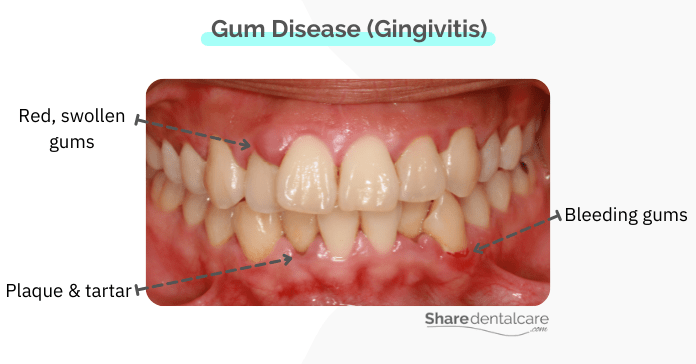
- Gingivitis (early stage): This is the mildest form of gum disease and is caused by plaque buildup around your teeth. You may notice your gums looking red, swollen, or bleeding when you brush or floss. The vital thing to know is that gingivitis is curable if treated early with consistent oral hygiene and regular cleanings.
- Early Periodontitis: In this stage, inflammation affects the bone around your teeth. Your gums may start pulling away, creating small pockets that trap bacteria. You might notice bad breath, gum tenderness, or slight bone loss around teeth on dental X-rays.
- Moderate Periodontitis: The infection spreads and starts to destroy the tissues that support your teeth. Gum recession worsens, and periodontal bone loss becomes more noticeable. At this point, professional periodontal treatment is needed to control the damage.
- Advanced Periodontitis: This is the most serious stage of periodontitis. The bone and tissue holding your teeth in place become severely damaged. Teeth may loosen or shift. In some cases, extractions are necessary.
Symptoms of Gum Disease
Gum disease can develop quietly at first, but over time, the symptoms become more noticeable and serious. Recognizing the signs of gum disease early can help you take action before permanent damage occurs. In its early stage, known as gingivitis, the gums may look red or swollen and may bleed easily when brushing or flossing. If left untreated, gingivitis can progress into periodontitis, a more serious form of gum disease that can cause jaw bone loss and even lead to tooth loss. The sooner you visit your dentist, the better your chances of being able to fix gum disease and protect your healthy teeth and gums.
Symptoms of Gingivitis (Early Stage)
- Gums that look red or swollen
- Gums bleed when flossing or brushing teeth
- Bad breath that doesn’t go away even after brushing
- Mild discomfort or tenderness around the gum line
- Plaque buildup along the teeth
Symptoms of Periodontitis (Advanced Stage)
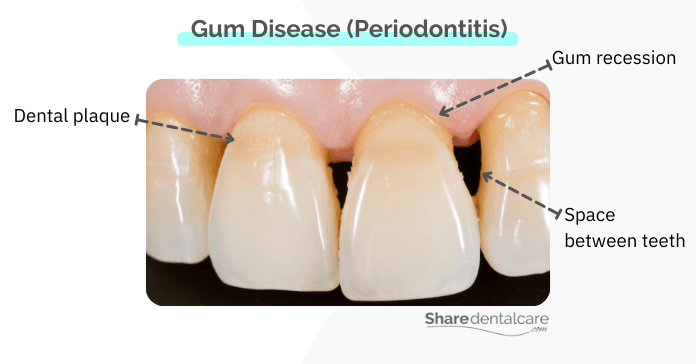
- Gums pulling away from the teeth, forming periodontal pockets
- Black triangles between teeth and gums due to gum loss
- Bone loss around your teeth visible in X-rays
- Receding gums that expose tooth roots
- Pus or signs of infection around the gum line
- Pain while chewing or sensitivity in certain teeth
- Loose teeth or a change in how your teeth fit together
- Tooth Loss
Causes of Periodontal Disease
Periodontal disease, also known as gum disease, doesn’t appear overnight. It develops over time due to several contributing factors that damage the health of your gums and the tissues that support your teeth. Understanding the root causes can help you take the right steps to fix gum disease before it becomes more serious. Here are the most common causes of periodontal disease:
- Poor Oral Hygiene Habits: Not brushing and flossing regularly allows plaque to build up on your teeth. Over time, plaque hardens into tartar, which can lead to a gum infection and spread deeper beneath your gums.
- Smoking and Tobacco Use: Smoking weakens your immune system. This makes it harder to treat gum disease and slows healing, even with proper care. Smoking is one of the top risk factors for serious gum disease.
- Hormonal Changes: Changes during pregnancy, menopause, or menstruation can make gums more sensitive and more prone to a form of gum disease called pregnancy gingivitis.
- Health Conditions: Chronic diseases like diabetes affect blood flow and healing. This makes it harder for the body to fight the bacteria that cause gum problems.
- Poor Nutrition: A diet low in vitamins and minerals can weaken the immune system and affect your body’s ability to repair damaged tissue around your gum line.
- Teeth Grinding (Bruxism): Constant pressure on your teeth and gums can worsen gum recession and make it harder for damaged tissue to heal.
- Genetics: Some people are more likely to develop gum disease even with good oral care. In such cases, a dentist may recommend early intervention and frequent cleanings.
- Skipping Regular Dental Checkups: Without regular dental cleanings and exams, plaque and tartar remain on the teeth. A dentist or periodontist can spot the earliest stage of gum disease and help you manage it before it progresses.
Why You Should See a Dentist for Gum Problems?
When it comes to gum disease, early action makes all the difference. While it might be tempting to rely on better brushing or mouthwash alone, only a dental professional can accurately diagnose the type and severity of gum problems. A dentist may also recommend X-rays to check for bone loss, measure periodontal pockets, and look for hidden signs of infection. If necessary, they might refer you to a periodontist for specialized care.
Ignoring gum issues can lead to advanced gum disease, which not only damages the tissue and bone supporting your teeth but may also increase the risk of systemic health problems such as heart disease, diabetes complications, and respiratory conditions.
That’s why it’s essential to contact your dentist if your gums bleed, swell, or feel tender. The sooner you act, the easier it is to fix gum disease, protect your health, and avoid complex treatments for gum disease later on.
Can You Fix Gum Disease?
Yes, you can fix gum disease, but how it’s treated depends on how far it has progressed. If you catch it early, during the reversible gingivitis stage, you can often cure gum disease with good oral care at home and professional cleanings. That means brushing, flossing, and removing plaque from your teeth before it hardens into tartar.
However, once it turns into gum disease called periodontitis, it becomes a long-term condition. While you may not be able to fully reverse it, you can manage it. Treatments focus on stopping the damage, healing the gum tissue, and protecting the bone that supports your teeth.
How Do Dentists Fix Gum Disease?
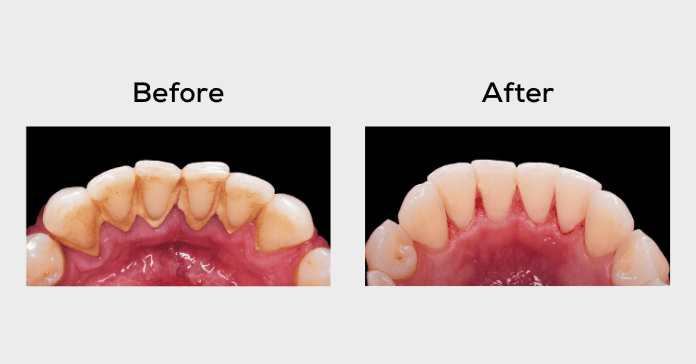
To fix gum disease, dentists first evaluate how far the condition has progressed. If you catch gum disease early, during the gingivitis stage, treatment is simple. Dentists can get rid of gingivitis with a professional cleaning, followed by daily brushing, flossing, and rinsing to remove buildup on your teeth. At this point, your gums can fully heal, and the damage is reversible.
However, once gum disease progresses into periodontitis, the damage becomes permanent. Gum disease isn’t curable at this stage, but it can be managed. Dentists offer advanced treatments to control infection, stop further damage, and preserve the remaining bone and tissue. Treatment of peridontal disease include:
- Scaling and Root Planing: A deep cleaning that removes plaque and tartar from below the gum line and smooths the tooth roots to help the gums reattach.
- Antibiotic Therapy: Local or oral antibiotics may be used to reduce the bacteria that cause infection.
- Osseous Surgery: Also called flap surgery, this procedure removes infected tissue and reshapes the bone to reduce deep pockets around the teeth.
- Gum Grafting: If the gums become too thin or recede significantly, tissue may be added to protect the tooth roots.
- Bone Grafting for Periodontitis: When gum disease causes bone loss, bone grafts may be used to rebuild the supporting structures around the teeth.
- Tooth Extraction: If a tooth is severely damaged and cannot be saved, your dentist may remove it to prevent the spread of infection and protect nearby teeth.
These treatments are all part of your treatment plan and depend on the symptoms and causes of your gum disease. Dentists aim to find and treat the condition early to reduce the need for surgery and help you keep your smile healthy.
At-Home Remedies to Support Gum Disease Treatment
Professional care is key to fix gum disease, but what you do at home matters just as much. Daily habits can either help heal your gums or make the condition worse. After your dentist begins the treatment of periodontal disease, your role is to keep your mouth clean and reduce the bacteria that cause inflammation.
Gum disease doesn’t go away on its own, and if you don’t treat it properly, it may return or worsen. That’s why your dentist will likely recommend a few important at-home practices to maintain gum health and support recovery. Helpful at-home steps to manage gum disease:
- Brush Twice Daily with a Soft-Bristled Toothbrush: Gentle brushing removes bacteria without irritating the gums. Choose fluoride toothpaste to strengthen your teeth.
- Floss Every Day to Clean Between Your Teeth: Flossing removes food particles and plaque in areas a toothbrush can’t reach, especially between molars.
- Use an Antibacterial Mouthwash: Rinsing with a dentist-approved mouthwash helps reduce germs, freshens breath, and lowers the risk of reinfection.
- Eat a Balanced Diet: Nutrient-rich foods support your immune system and help your gums heal faster. Avoid sugary snacks that promote plaque buildup.
- Stay Consistent with Your Dental Appointments: Even at home, follow your dentist’s instructions carefully and attend follow-up visits to monitor progress.
- Quit Smoking or Using Tobacco Products: Tobacco slows healing and increases your risk for severe gum infections.
These at-home habits are not a replacement for professional care, but they are a powerful part of your recovery. By combining dental treatment with good daily habits, you can take control of your oral health and give yourself the best chance to fix gum disease for good.

Fix Gum Disease Early: Why Timing Matters
The earlier you act, the better your chances to fix gum disease before it leads to lasting damage. In its early stage, known as gingivitis, the condition is still reversible with proper care. Daily brushing, flossing, and regular dental visits can clear away the bacteria that gum disease is caused by. But if you don’t treat gingivitis, it can turn into periodontitis—a more serious infection that causes irreversible damage to the tooth-supporting tissues. Acting quickly not only protects your smile but also saves you from complex and costly treatments down the road.
How to Prevent Gum Disease and Maintain Oral Health?
Preventing gum disease starts with simple daily habits that protect your teeth and gum tissue from harmful bacteria. While dentists can fix gum disease, it’s always better to avoid the problem in the first place. Since gum disease can cause discomfort, infection, and long-term complications, it’s important to stay consistent with your oral hygiene. Tips to prevent gum disease and keep your mouth healthy:
- Brush Your Teeth Twice a Day for Two Minutes: Use a soft-bristled toothbrush and fluoride toothpaste to clean all surfaces of your teeth.
- Floss Once a Day: Cleaning between your teeth helps remove food and plaque from areas a brush can’t reach.
- Rinse With an Antibacterial Mouthwash: This helps reduce bacteria and keeps your breath fresh.
- Visit Your Dentist Regularly: Routine cleanings and checkups help catch early signs of disease before they turn serious.
- Eat a Balanced Diet Rich in Vitamins and Minerals: Healthy foods strengthen your gums and immune system.
- Avoid Smoking and Tobacco Products: Tobacco use makes it harder for your gums to heal and increases the risk of infection.
- Avoid Kissing Your Child on the Lips: This helps reduce the risk of passing contagious gingivitis bacteria, which can increase their chances of developing gum problems.
- Replace Your Toothbrush Every 3–4 Months: Worn-out bristles don’t clean as well and may carry bacteria.
Conclusion: Can You Fix Gum Disease
Gum disease is a serious yet manageable condition that starts quietly but can lead to major oral health problems if ignored. The good news is that you can fix gum disease, especially when it’s detected in its early stage, gingivitis. With proper oral hygiene, regular dental visits, and professional cleanings, many people can stop gum disease before it becomes more severe. In advanced cases like periodontitis, more invasive treatments may be required, but managing the condition and protecting your oral health is still very possible with the right care.
Recognizing the early signs of gum disease and understanding how gingivitis progresses into periodontitis can help you take control of your gum health. Consistent daily habits like brushing, flossing, and using antibacterial mouthwash are essential for healing and prevention.
Since gum disease may cause tissue damage and may impact overall health, early action is key to avoiding complications, including gum abscess, tooth loss, and long-term dental issues.
Don’t wait for symptoms to get worse. If your gums bleed, feel swollen, or hurt when brushing, now is the time to act. Contact your dentist, follow their advice, and apply the prevention tips to protect your smile. A healthy mouth starts with daily care and smart choices. Begin your routine today, and stay ahead of gum disease.
