Have you ever been told you have deep gum pockets during a dental check-up and weren’t quite sure what that meant? You’re not alone. Many people are surprised to learn that these hidden spaces between the gum and the tooth can signal the early stages or even the progression of gum disease, often without obvious symptoms. These pockets may seem small, but deepening beyond 3 mm creates the perfect environment for bacteria, plaque, and inflammation to thrive, putting your gum tissue and bone health at risk.
In this blog post, we will break down what deep gum pockets are, what causes them, how they are diagnosed, and what treatment options are available to restore your gum health and prevent further complications.
What are Gum Pockets?
Gum pockets are spaces between your teeth and gums when the gum tissue pulls away due to inflammation or infection. In a healthy mouth, the natural space, called the gingival sulcus, is usually shallow, measuring around 1 to 3 mm. This space allows for easy cleaning and helps keep your oral hygiene in check. However, when plaque and bacteria build up along the gum line and aren’t removed by brushing and flossing, the gums can become inflamed and detach from the teeth. This creates deeper pockets, known as gum pockets or periodontal pockets, which can trap more bacteria and worsen the condition. Left untreated, they may lead to gum recession, loss of periodontal tissue, and even tooth loss.
How Do Deep Gum Pockets Form?
Deep gum pockets usually form as a result of untreated gum disease, which starts with the buildup of dental plaque along the gum line. When plaque isn’t removed by proper brushing and flossing, it hardens into tartar and triggers an inflammatory response in the gum tissue, known as gingivitis. This inflammation causes the gums to swell and slowly pull away from the teeth, creating pockets in your gums. As these pockets around the teeth deepen, they become harder to clean, allowing bacteria to spread even further.
Over time, the infection can damage the gums and the bone that support your teeth. Without regular cleanings by a dental hygienist and professional periodontal treatment, the pockets can grow deeper and lead to more severe stages of gum disease, known as periodontitis.
Signs and Symptoms of Periodontitis
Deep gum pockets often develop as early gum disease progresses into periodontitis, and they come with warning signs that shouldn’t be ignored. Early detection can help prevent more serious damage to your gums and teeth. If you notice any of the symptoms below, it’s time to see a dental professional for a periodontal examination and possibly a treatment plan:
- Swollen, red, or tender gums.
- Gums bleed when you floss or brush your teeth.
- Bad breath that doesn’t go away after brushing.
- Pain or discomfort while chewing.
- Black triangles between teeth and gums.
- Receding gums that make teeth look longer.
- Loose or shifting teeth.
How are Deep Gum Pockets Measured?
To check for deep gum pockets, a dental professional uses a small, precise tool called a periodontal probe. This instrument is gently inserted between the gum and the tooth to measure the depth of the gum pocket in millimeters (mm). These measurements help determine the health of the gum tissue and whether gum disease is present. A healthy gum will have shallow pockets, while deeper readings can indicate the progression of periodontal problems. Here is what gum pocket depth means:
- 1 – 3 mm: Healthy gum tissue with no signs of disease.
- 4 – 5 mm: Early to moderate gum inflammation and possible tissue damage.
- 5 – 7 mm: Advanced stage of periodontal disease that may require surgical treatment.
- 7 mm or more: Severe gum and bone loss, with a high risk of tooth loss if not treated.

Risk Factors for Deep Periodontal Pockets
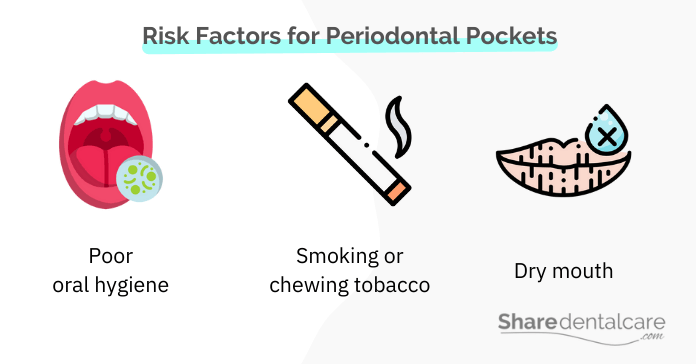
Deep gum pockets do not form suddenly. They usually develop due to multiple risk factors that weaken the gum tissue and allow periodontal disease to progress. Understanding these causes can help protect your oral health and support early diagnosis and treatment. Here are common risk factors linked to deep periodontal pockets:
- Poor Oral Hygiene: Inadequate brushing and flossing allow plaque to accumulate around the gum line, leading to gum inflammation and infection.
- Smoking: Tobacco use limits blood flow to the gums and interferes with healing. It significantly increases the risk of developing advanced gum disease.
- Genetic Factors: Some people are more genetically prone to gum disease, even if they maintain regular oral care routines.
- Diabetes: Elevated blood sugar weakens the immune system and slows healing, making it easier for gum infections to develop and harder to treat them.
- Hormonal Changes: Shifts in hormone levels during puberty, pregnancy, or menopause can increase gum sensitivity. Conditions like pregnancy gingivitis can progress into deeper problems if not treated.
- Stress: Long-term stress can compromise the immune system and reduce the body’s ability to fight infections, including those affecting the gums.
- Poor Nutrition: A diet lacking essential nutrients, especially vitamin C, can weaken the body’s ability to repair gum tissue and fight off infection.
Recognizing and managing these risk factors early can support the prevention of gum disease and help maintain healthy gums and teeth over time.
When to See a Dentist or Periodontist?
If you notice signs like bleeding gums, persistent bad breath, gum recession, or feel that food often gets stuck between your teeth, it’s time to see a dentist or periodontist. These could be early signs of deep gum pockets or a more advanced form of gum disease.
During your visit, the dentist will perform a periodontal examination around your teeth with a periodontal probe to measure the depth of the spaces between your teeth and gums. Also, they may take X-rays to detect periodontal bone loss. If these pockets are deeper than 3 mm, it may indicate that treatment is needed to stop the disease from progressing. Early detection is key; it can help prevent gum tissue loss, reduce the risk of tooth loss, and improve your overall gum health.

Treatment Options for Deep Gum Pockets
When deep gum pockets are found during a periodontal examination, prompt treatment is important to prevent further damage to the gums and teeth. The goal is to eliminate bacteria, reduce pocket depth, and restore oral health. Treatment may vary depending on the severity of the condition. Here are effective treatment options for deep gum pockets:
- Scaling and Root Planing: This deep periodontal cleaning procedure removes plaque and tartar from below the gum line and smooths the tooth roots. It helps the gums reattach to the teeth and reduces inflammation.
- Antibiotic Therapy: In some cases, your dental professional may place topical antibiotics into the pockets to target bacterial infection directly or prescribe oral antibiotics to control the infection and treat gum disease.
- Pocket Reduction Surgery: Also known as gum flap surgery, this is used when deep pockets persist. The gums are gently lifted to allow cleaning of the root surfaces and then repositioned to fit snugly around the teeth.
- Laser Periodontal Treatment: A less invasive option that uses laser technology to remove infected tissue and bacteria from deep pockets with minimal discomfort.
- Gum Grafting: Receding gums don’t grow back naturally. If significant gum tissue has been lost, grafting may be needed to cover exposed roots and help prevent further gum recession.
- Bone Grafting: When bone loss has occurred due to advanced periodontal disease, a bone graft may be placed to help regenerate lost bone around the tooth and support long-term stability.
Each case is different, and a tailored treatment plan from your dentist or periodontist is necessary to manage the specific stage of gum disease and promote long-term recovery.

Home Care Tips to Prevent Periodontal Disease
Taking care of your gums at home is one of the most effective ways to prevent deep gum pockets and stop gum disease before it starts. By building healthy habits into your daily routine, you can reduce the risk of developing periodontal pockets and keep your smile strong. Here are detailed tips to follow:
- Brush Twice a Day with a Soft-Bristled Toothbrush: Gently brush along your gum line and teeth to remove plaque and food debris. Brushing helps prevent the buildup that can lead to signs of gum disease.
- Use Fluoride Toothpaste: Fluoride strengthens teeth and helps fight bacteria that may cause gum tissue irritation or infection.
- Floss Daily to Clean Between Your Teeth: Flossing removes plaque and food from areas your toothbrush can’t reach. This is essential for preventing pockets around teeth from forming.
- Use an Antibacterial Mouthwash: Rinsing with a therapeutic mouthwash can lower the amount of harmful bacteria, helping reduce your risk of periodontal disease.
- Visit Your Dentist Regularly for Checkups and Cleanings: Early detection and treatment of gum issues can stop minor problems from turning into lost gum tissue or pockets that require treatment.
- Avoid Smoking or Using Tobacco Products: Tobacco can make it harder for gums to heal and is a major factor in developing periodontal pockets and severe gum damage.
- Eat a Balanced Diet Rich in Vitamins and Minerals: A diet high in vitamin C and calcium supports gum health and helps the body fight infection. This makes your gums more resistant to the signs of periodontal disease.
- Don’t Ignore Symptoms: Bleeding gums, swelling, or bad Breath could be signs of gum disease that need immediate care. Treatment can help stop it from getting worse.
Good oral hygiene at home, along with regular dental visits, plays a vital role in preventing gum disease and eliminating the need for complex treatments.
Conclusion
Ignoring deep gum pockets won’t make them go away. These hidden spaces are often a warning sign that gum disease may already be taking hold. The longer they go untreated, the more damage they cause. This can lead to gum recession, bone loss, and even tooth loss. But there’s good news: periodontal pockets can be treated, and the earlier you act, the better the outcome.
The depth of gum pockets is measured using a periodontal probe, a thin instrument gently inserted between the tooth and gum to measure pocket depth in millimeters. Readings deeper than 3 mm may indicate gum inflammation or periodontal disease, helping your dental professional create the right treatment plan before the condition worsens.
Treating periodontal pockets requires timely action and the right approach based on how far periodontal disease has progressed. Whether it’s scaling and root planing for mild gum disease or advanced procedures like pocket reduction surgery and bone grafting, the goal is to remove infection, reduce pocket depth, and support healing. When performed early, these treatments help preserve the gums, protect the bone, and eliminate unhealthy periodontal pockets before they lead to tooth loss.
If you’re noticing bleeding, bad breath, or loose teeth, visit your dentist immediately. Take control of your oral health today by scheduling a dental visit, following your treatment plan, and staying consistent with care.
