When you lose a tooth or experience bone loss due to gum disease or injury, your jawbone can weaken over time. This can make it difficult to support dental implants or maintain your natural facial structure. A bone graft in tooth treatment helps rebuild lost bone, restore strength, and prepare the jaw for successful implant placement.
During this dental bone graft procedure, your dentist or oral surgeon places natural or synthetic bone material in the area where bone is missing. This graft gradually fuses with your existing bone, encouraging new bone tissue to grow. Whether it’s a minor graft for one missing tooth or a larger procedure for multiple implants, bone grafting plays a vital role in maintaining strong bone density and long-term oral health.
In this blog post, we’ll explain what a bone graft is, when you might need it, the different types of bone grafts, what happens during the grafting procedure, and how to care for your mouth during recovery.
What Is a Bone Graft in Dentistry?
A dental bone graft is a procedure that helps restore or replace missing bone in the jaw. It’s commonly used when the bone that supports the teeth (called the alveolar bone) becomes weak or deteriorates due to tooth loss, gum disease, or trauma. The goal of a bone graft in tooth replacement is to rebuild sufficient bone density so the jaw can properly support dental implants, bridges, or other restorative treatments. This procedure plays an essential role in modern oral surgery and dental implant treatment.
When natural bone is lost, the graft material acts as a scaffold that encourages new bone growth. Over time, the body replaces this graft material with its own natural bone, creating a strong, stable foundation. Without this step, it may be difficult or even impossible to place replacement teeth like dental implants, as they need solid bone support to stay firmly anchored.
Why You Might Need a Bone Graft for Dental Implants?
A bone graft for dental implants is often required when the patient doesn’t have enough healthy bone in the jaw to hold an implant securely. Tooth loss, gum disease, or bone resorption after extraction can lead to insufficient bone volume. In such cases, grafting may restore the jawbone structure so the implant can fuse successfully during the dental implant process.
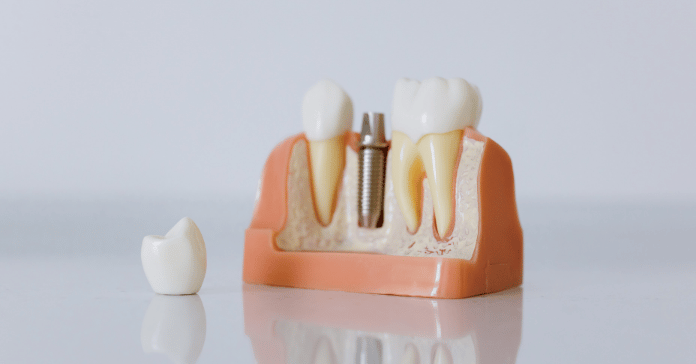
Dental implant surgery relies on osseointegration, the natural process in which bone grows around the implant post. Without enough bone, the implant might fail or become loose. A bone graft ensures there is enough strong, healthy bone to provide long-term stability, improve appearance, and enhance the overall success of the implant treatment.

Bone Graft for Tooth Socket Preservation
After a tooth extraction, the bone around the empty socket naturally begins to shrink. Socket preservation is a grafting procedure that involves placing bone graft material directly into the empty socket to prevent bone loss. Bone graft after tooth extraction helps maintain the bone’s shape and density, making future dental implant placement easier and more successful.
Types of Dental Bone Grafts
Dentists and oral surgeons use several types of bone grafts, depending on the patient’s condition, preferences, and treatment goals. Each type of graft material serves the same purpose, to replace missing bone and promote new bone growth, but they differ in origin and healing speed:
- Autogenous Graft: Bone taken from the patient’s own body, such as the chin, jaw, or hip.
- Allograft: Bone obtained from a human donor, processed to ensure safety and compatibility.
- Xenograft: Bone derived from animal sources (usually bovine), treated for dental use.
- Synthetic Material (Alloplast): Man-made substitutes that mimic natural bone and support regeneration.
Autogenous (Your Own Bone) Grafts
Using your own bone (autogenous bone graft) is considered the gold standard in grafting. Since the material comes directly from the patient, it contains live bone cells and natural growth factors that stimulate new bone formation. This type of graft integrates seamlessly with the existing jawbone and has a low risk of rejection. Although it may involve harvesting bone from another part of the body, such as the hip or chin, it provides excellent long-term results and promotes natural bone regeneration.
Allograft, Xenograft, and Synthetic Bone Materials
An allograft uses donated human bone that has been sterilized and processed to remove all cellular material. This type of graft is ideal for patients who prefer to avoid a second surgical site or lack enough bone for harvesting. It integrates well with the patient’s bone over time, allowing new bone cells to grow and replace the graft naturally.
A xenograft involves bone material from an animal, typically a cow. The bone is carefully cleaned and sterilized, leaving behind a mineral structure similar to human bone. This material acts as a long-lasting scaffold for new bone growth, providing volume and stability while the natural bone slowly replaces it.
A synthetic graft, also called an alloplastic graft, is made of biocompatible materials such as calcium phosphate or hydroxyapatite. These materials are safe, non-toxic, and effective in promoting bone growth. Synthetic bone grafts are a good option for patients who prefer a completely non-biological material and still achieve successful bone regeneration.
The Tooth Bone Graft Procedure: Step by Step
The bone grafting procedure involves placing new bone material in an area where bone loss has occurred to encourage natural regeneration. It starts with a thorough evaluation, continues with graft placement during oral surgery, and ends with several months of healing before dental implant placement. The entire process helps the jaw regain its strength and structure so that it can securely support replacement teeth.
Consultation and Treatment Planning
Before the grafting procedure, the dentist or oral surgeon performs a complete evaluation, including X-rays, 3D scans, and clinical examinations. These diagnostic tools help measure bone density, assess the amount of missing bone, and determine which graft material is most suitable. During this stage, the treatment plan is customized to match the patient’s oral health condition, goals, and implant requirements.
Bone Placement and Healing Process
Once the area is prepared, the oral surgeon carefully places the graft material into the deficient area of the jawbone. The graft is secured using membranes or sutures, depending on the technique. Over time, the body recognizes the graft as a natural part of the bone and begins to grow new bone cells around it.
The healing process may take several months, as the natural bone gradually replaces the graft material. This process is essential for building a strong foundation capable of supporting dental implants and other restorative procedures. As healing progresses, the dentist monitors the site to ensure proper bone growth and integration.
Recovery and Outlook After a Dental Bone Graft
After a bone graft procedure, it’s normal to experience mild swelling, soreness, or bruising for a few days. Most patients recover comfortably with prescribed medications and proper care. The healing process depends on the size of the graft and overall health, but most people resume normal activities within a few days. During the dental bone graft recovery:
- Follow Your Dentist’s Instructions: Take prescribed antibiotics or pain relievers as directed.
- Eat A Soft Diet: Stick to soups, smoothies, and soft foods to avoid disturbing the graft site.
- Maintain Gentle Oral Hygiene: Brush carefully and avoid the surgical area for the first few days.
- Avoid Smoking: Tobacco can slow bone healing and increase the risk of graft failure.
- Use Saltwater Rinses: Rinse gently to keep the mouth clean without irritating.
How Long Does It Take for a Bone Graft to Heal?
Healing time for a dental bone graft varies depending on the material used, the patient’s age, and overall health. Generally, minor bone grafts may heal in 3 to 4 months, while larger grafts or complex cases can take up to 6 months or more. During this period, the graft material slowly integrates with your natural bone, creating a strong, dense structure that can support dental implants effectively. Explore the dental bone graft healing stages
to know how your jawbone rebuilds strength over time.
Risks and Complications of Bone Grafting
Like any surgical procedure, a bone graft for tooth implant carries some risks, though serious complications are rare. Common issues include minor infection, inflammation, or temporary numbness near the graft area. Dentists take great care to minimize these risks through proper sterilization, precise surgical techniques, and antibiotic coverage.
In rare cases, graft material may fail to integrate with the natural bone, requiring additional treatment. However, when performed by an experienced oral surgeon, the success rate of bone grafting is very high. Regular follow-up visits ensure the graft is healing properly and that any potential concerns are addressed early.
Bone Grafting and Gum Disease
Periodontal (gum) disease is a leading cause of bone loss around the teeth. When bacteria destroy gum tissue and bone support, teeth may loosen or fall out. A dental bone graft can help rebuild this lost bone and restore stability to the teeth or prepare the site for implants.
Bone grafting for gum disease (periodontitis) often involves placing bone material around affected teeth to encourage new bone growth. Combined with thorough cleaning and gum treatment, this approach helps stop the progression of periodontal disease and restore healthy bone structure.
Bone Graft vs. Sinus Lift (Subantral Graft)
While both bone grafting and sinus lift procedures add bone to the jaw, they serve slightly different purposes. A standard bone graft is used anywhere in the jaw to replace missing bone, while a sinus lift (or subantral graft) specifically targets the upper jaw near the sinuses.
A sinus lift becomes necessary when the bone beneath the sinus cavity is too thin to support a dental implant. During this procedure, the sinus membrane is gently lifted, and bone material is placed beneath it to create more height and density. This ensures that dental implants in the upper molar area have a strong and secure base.
Alternatives to Bone Grafting for Dental Implants
In some cases, patients can avoid traditional grafting by using newer implant techniques. Mini dental implants, for example, require less bone height and can be placed in areas with moderate bone loss. Zygomatic implants are another alternative, designed for patients with severe bone loss in the upper jaw, as they anchor directly into the cheekbone.
These modern alternatives can be life-changing for patients who cannot or prefer not to undergo grafting. However, they are not suitable for everyone. Your oral surgeon will determine the best option after evaluating your bone structure, medical history, and treatment goals.
Caring for Your Mouth After Bone Grafting
Proper aftercare is essential to protect the graft site and ensure successful healing. Patients should follow their dentist’s instructions carefully during recovery:
- Avoid Touching The Area: Keep fingers and tongue away from the graft site.
- Stick To Soft Foods: Eat yogurt, mashed potatoes, and soups during the first week.
- Avoid Hot, Spicy, or Crunchy Foods: These can irritate or dislodge the graft material.
- Don’t Smoke or Use Tobacco: It can delay healing and reduce bone growth.
- Keep Your Mouth Clean: Use gentle mouth rinses or saline solutions as directed.
- Attend All Follow-Up Appointments: Your dentist will monitor healing and ensure the graft is stable.
The Benefits of Bone Graft for Tooth Implant
A bone graft offers multiple long-term benefits that go beyond just supporting dental implants:
- Restores Jawbone Strength: Rebuilds lost bone for a solid foundation for implants or crowns.
- Improves Implant Success Rate: Increases the likelihood that implants integrate and last for years.
- Preserves Facial Shape: Prevents the sunken look that occurs after tooth and bone loss.
- Enhances Oral Function: Restores proper chewing, speech, and comfort with replacement teeth.
- Supports Long-Term Dental Health: Promotes healthy bone growth, improving stability for future treatments.
When to See a Dentist or Oral Surgeon?
If you’ve lost teeth, suffered trauma, or have gum disease causing bone loss, it’s important to consult a dentist or oral surgeon early. The sooner you address bone loss, the more likely you are to restore your bone structure and preserve your dental health. Early evaluation allows your dentist to plan a bone graft or alternative treatment before bone loss becomes too severe for implant placement.
Conclusion
A dental bone graft is one of the most valuable procedures in modern dentistry, helping patients rebuild lost bone and restore a healthy foundation for implants or other restorative treatments. Whether bone loss occurs due to tooth loss, gum disease, or injury, this procedure encourages the bone in your jaw to grow naturally and regain strength. By using natural, donor, or synthetic materials, your dentist or oral surgeon can replace bone, stimulate regeneration, and prepare your mouth for long-term success with dental implants or crowns.
Recovery after a dental bone graft requires patience and proper care. Following your dentist’s instructions, maintaining gentle oral hygiene, and avoiding habits such as smoking can significantly improve bone graft healing and overall dental health. Over time, the graft integrates with your natural bone, restoring jawbone density and preserving facial structure. This ensures better support for your teeth, implants, or dental crowns and helps maintain good dental function and appearance.
If you’re experiencing tooth loss or gum disease, or your dentist has mentioned insufficient bone for dental implants, don’t delay evaluation. A bone graft in tooth treatment can restore your jaw’s strength and function, giving you a solid foundation for a healthier, more confident smile. Schedule a consultation with your dentist or oral surgeon to learn whether you’re a good candidate for a dental bone graft and take the next step toward lasting oral health.
